Get your free personalized podcast brief
We scan new podcasts and send you the top 5 insights daily.
The morning after being freed in the Combahee River Raid, 150 men immediately enlisted in the Union Army. This demonstrates a rapid shift from being subjects of liberation to active agents in the fight for others' freedom, challenging passive victim narratives.

Related Insights
Johnson's opposition to slavery was not merely theoretical. He took in Francis Barber, a former slave, raised him as a son, paid for his education, and made him his principal heir. This created a radical, multi-racial family unit that demonstrated his principles in a deeply personal way.

The proclamation was not just a moral act but a calculated strategy. By making the war explicitly about ending slavery, Lincoln made it politically impossible for abolitionist nations like Great Britain to support the Confederacy, cutting off their resources.

The fact that slavery abolition was a highly contingent event demonstrates that moral progress isn't automatic. This shouldn't be seen as depressing, but empowering. It proves that positive change is the direct result of deliberate human choices and collective action, not a passive trend. The world improves only because people actively work to make it better.
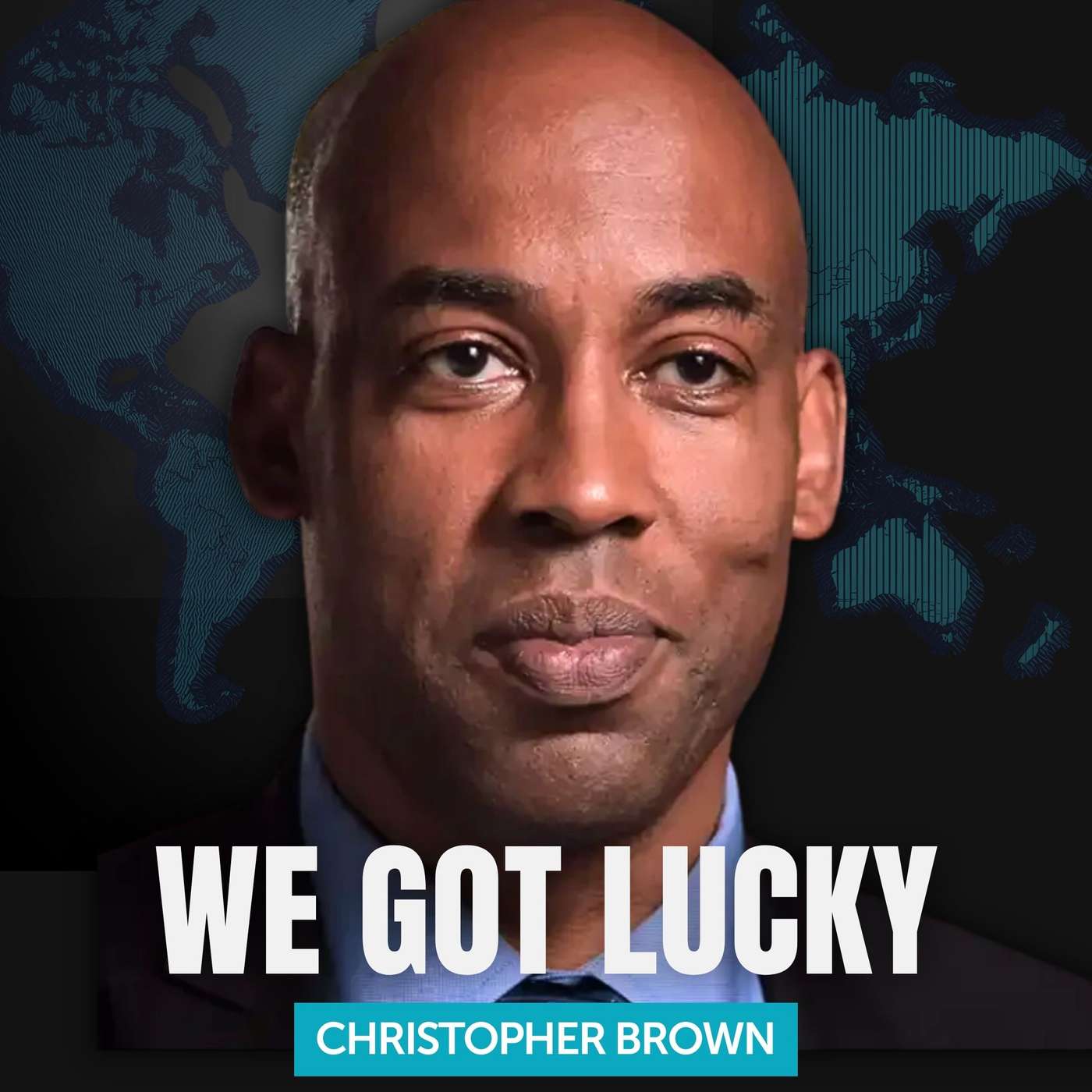
The story of York County, South Carolina, provides a powerful counter-narrative of what was possible during Reconstruction. When President Grant finally suspended habeas corpus and flooded the region with troops, the mass arrests effectively dismantled the Klan's power structure. This demonstrates that federal force, when applied decisively, could work.
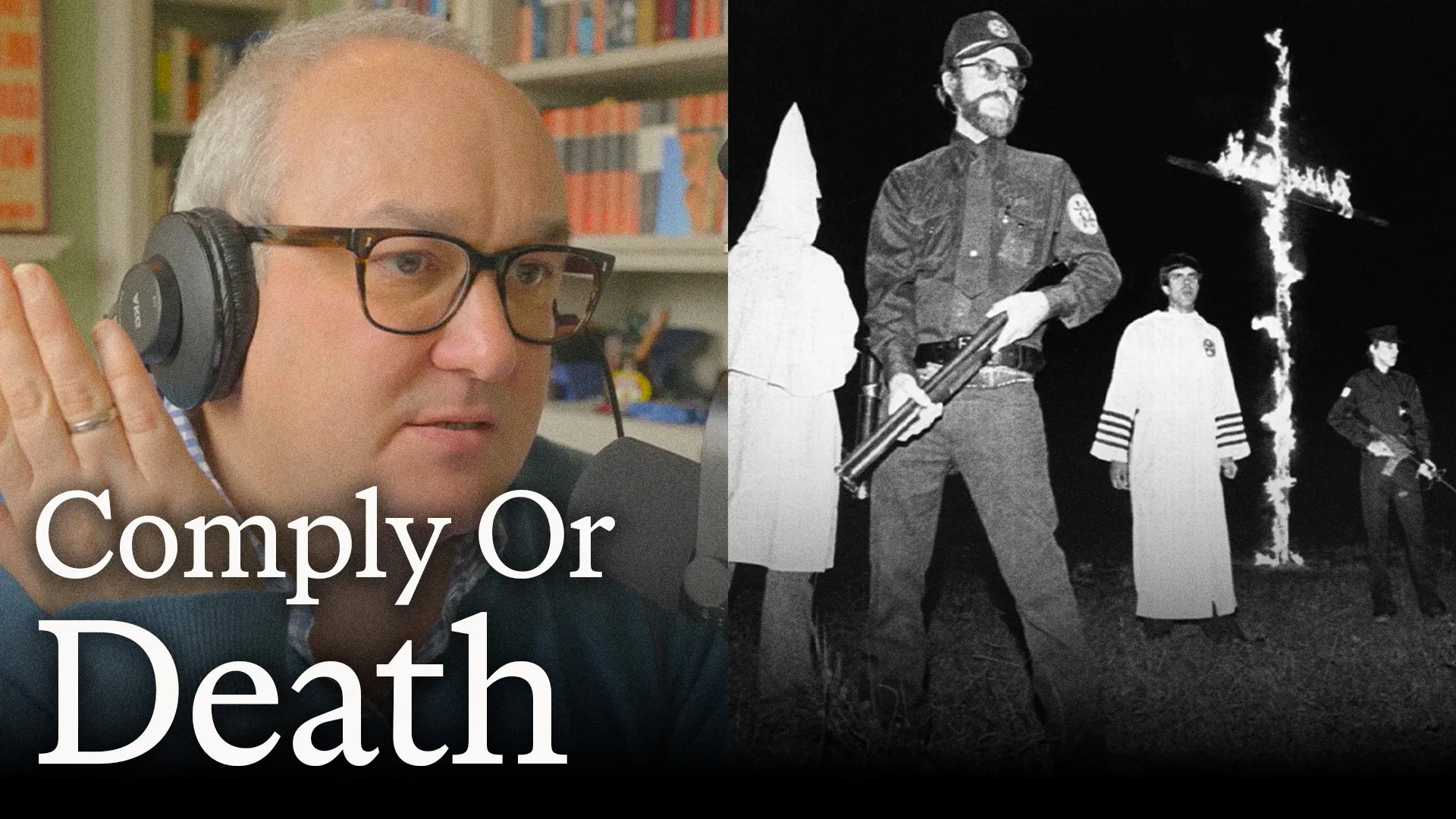
Newspaper accounts described the 756 newly freed people as physically broken, sick, and emaciated from the rice fields. Yet, as they paraded through Beaufort, they were "beaming with pride," showing that the psychological triumph of freedom was immediate and profound.
88-year-old Minus Hamilton described the armed Black liberators as "presumptuous" not as a criticism, but to express his awe. The word captured the shocking sight of Black men who held their heads high and defied the subservient roles forced upon them.
The Union Army timed the raid for June, the "sickly season," when malaria-carrying mosquitoes forced white plantation owners and Confederate troops to evacuate the coastal wetlands. This created a strategic window of opportunity with minimal resistance.
Social movements build on one another. The campaign against slavery was not an isolated event; it directly inspired and provided the organizational template for the 19th-century women's rights movement. Similarly, the US Civil Rights movement created the model and momentum for the gay rights movement, showing how progress on one issue makes progress on others more likely.
Facing extreme hostility, Booker T. Washington taught former slaves to make superior bricks. They became so proficient that they created an exportable product, forcing the hostile surrounding economy to trade with them. This is a model for gaining power and self-reliance through undeniable economic contribution, not aid.

Tubman's effectiveness as a Union spy came from systematically debriefing enslaved people who had escaped to freedom. They provided crucial tactical intelligence on the locations of river mines, fortifications, and troop movements they had been forced to support.