Get your free personalized podcast brief
We scan new podcasts and send you the top 5 insights daily.
To differentiate, CAZ eliminated management fees, getting paid only from a share of profits. They also messaged that they were the largest investor in their own deals. This created powerful alignment, assuring clients they only win when the client wins.
Related Insights
To democratize venture capital, ARK created a fund that eliminates the traditional 20% carried interest (a share of profits). Instead, it charges a flat 2.75% management fee. This structure aims to give retail investors with as little as $500 direct access to premier private company cap tables without the performance fees that typically benefit fund managers disproportionately.

Because GP stakes funds are perpetual, sellers need a secondary market to exit. By investing with all major players (Dyal, Blackstone, etc.), CAZ became the neutral, pre-approved buyer for these illiquid assets. This positioning allows them to bid quickly, with deep information, and win deals efficiently.
Co-investing offers 'structural alpha.' By participating in average deals with average private equity managers but without paying management fees or carried interest, an LP's returns are mathematically lifted to a top-quartile level. This inherent advantage exists before any deal-specific underwriting.

By defining the entrepreneur as the primary customer, a VC firm changes its entire operating model. This customer-centric view informs decisions on partner incentives (removing attribution), community building, and support services. The result is a powerful brand that attracts the best founders and generates high-fidelity deal flow through referrals.
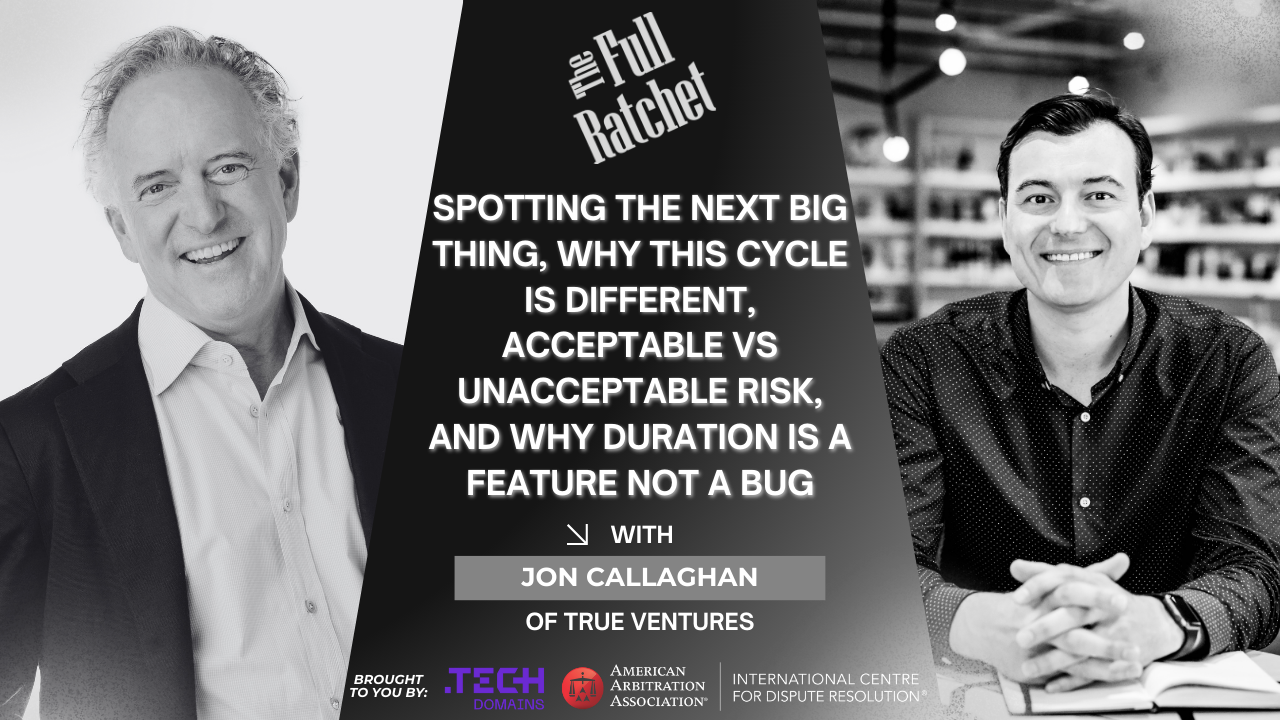
Traditional venture funds have a mandate to distribute shares post-IPO. A crossover investor can credibly promise a founder, 'I never have to sell your stock to get paid. If you execute, I can hold you forever.' This aligns the investor with the founder's long-term vision and offers stability.
To prevent any conflict of interest, founder Christopher Zook invests exclusively in the same funds as his clients. He has no separate personal account for side deals. This ensures that if an opportunity isn't suitable or available for the firm's investors, it's not available to him either.
Shifting to a performance-fee-only model meant unpredictable revenue. The firm consciously went into the red, relying on its balance sheet and shareholder support to survive for four years until the investments matured and generated profits. This was a long-term bet on their own performance.
Despite a 13-year stellar track record, CAZ Investments saw little growth. An angry acquaintance confronted the founder for not sharing an investment opportunity, sparking a revelation: stop waiting for clients and proactively communicate your value. This led to exponential growth.
To ensure "radical alignment," solo capitalist Oren Zeev pays himself zero from management fees, reinvesting 100% back into his funds. As the largest LP in every fund and with a 30% carry, his entire economic incentive is tied to long-term value creation, not fee generation, which is highly unusual.
Seed funds can win deals against multistage giants by highlighting the inherent conflict of interest. A seed-only investor is fully aligned with the founder to maximize the Series A valuation, whereas a multistage investor may want a lower price for their own follow-on investment.
