Get your free personalized podcast brief
We scan new podcasts and send you the top 5 insights daily.
While operating a lean virtual model, Sarcomatrix's CEO advises against outsourcing three core functions. The CEO provides essential leadership, the company is ultimately responsible for quality systems regardless of its CROs, and owning the regulatory interface directly builds crucial credibility with agencies.

Related Insights
InduPro's capital efficiency model is clear: keep core, differentiating work like proprietary database creation and initial molecule screening internal. Outsource scalable, less-differentiated activities like large-scale manufacturing and multi-site clinical trials to specialized CROs.

Counter to the lean biotech model, Vivtex avoids outsourcing to CROs. The rationale is that only an internal team, whose survival depends on the technology's success, possesses the existential urgency to solve problems at the breakneck pace required—a speed external partners cannot match.
David Craig advises against fully entrusting manufacturing to a CDMO. He keeps a Chief Technical Officer in-house to manage the project plan's minutiae. This internal oversight prevents missed timelines and manages rate-limiting steps, which often derail virtual programs relying solely on external partners for execution.
A CEO's primary role differs fundamentally based on company type. In an asset-centric biotech, the CEO must act as a hands-on program manager, micromanaging execution. In a platform company, the CEO must be deeply embedded in the science to predict and leverage the technology's long-term trajectory.

The transition from a leadership role at a large pharma company like Gilead to a biotech CEO involves a massive shift in scope. Instead of managing one large function with a large team, a biotech CEO is hands-on with every aspect of the company, from science to finance.

Investors don't look for a specific personality type in biotech founders. Instead, they use pattern recognition to identify a crucial trait: executional excellence. The ability to expertly manage the diverse functions of a biotech company—from clinical to CMC to regulatory—is paramount, and prior experience is the best indicator of this skill.

To remain agile and responsive, CEOs should avoid fully delegating all operational roles. BrandShield's CEO leads product and manages key accounts himself. This direct pipeline to customer feedback and market threats allows for rapid translation of insights into the company's product roadmap.

Vivtex avoids outsourcing critical R&D because external partners and CROs cannot match the speed of a startup team whose very existence depends on solving problems quickly. This internal urgency is a core competitive advantage that is lost when relying on third parties with different priorities.
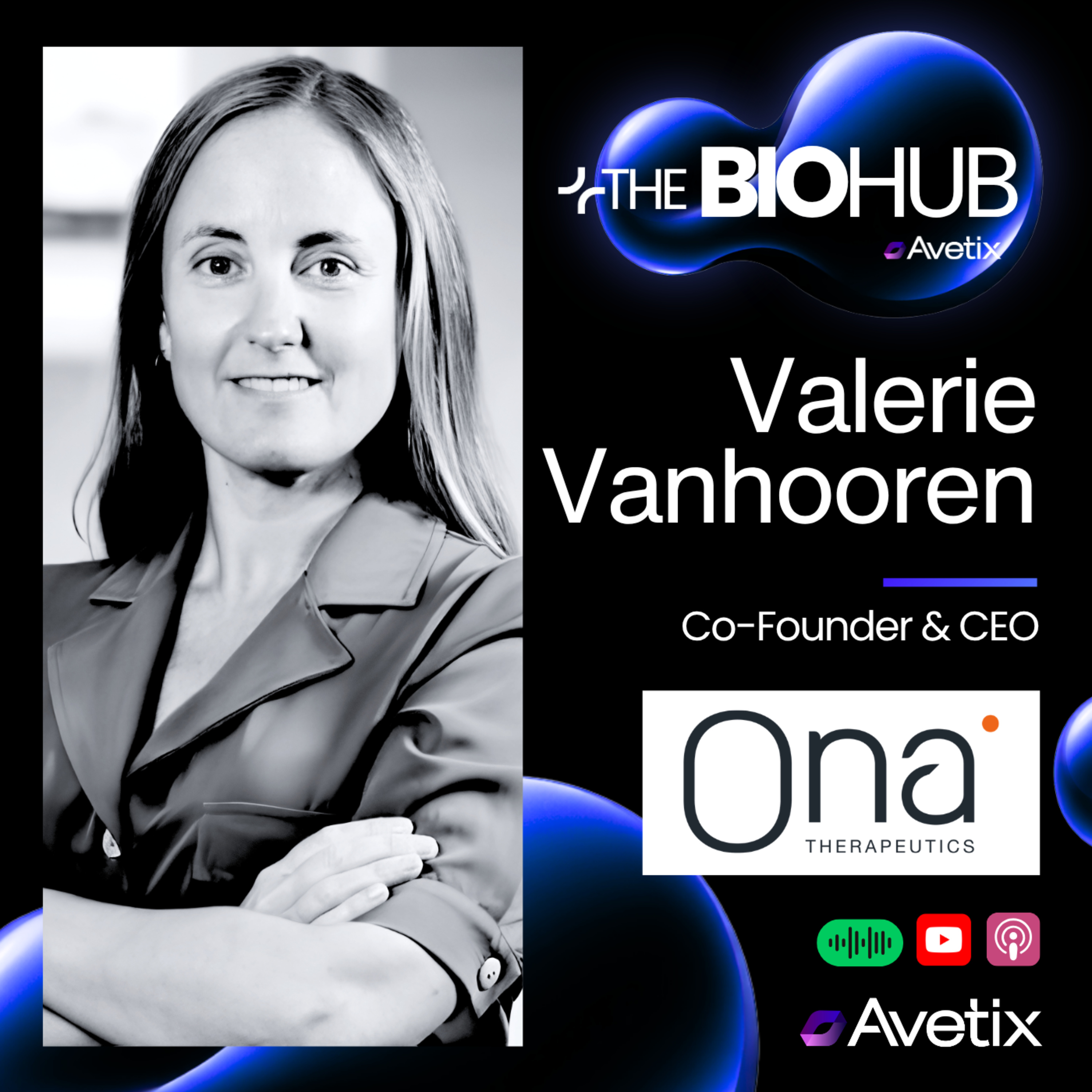
Ona Therapeutics maintains a small team by following a simple rule: outsource functions that external experts can do better (like CROs and manufacturing) at a reasonable price. This allows them to focus all internal resources on their core, specialized competency of designing novel molecules and advancing their pipeline.
A CEO without a deep scientific background can thrive in biotech by acting as a synthesizer. The key is not to blindly delegate to experts, but to ask probing questions, understand the interplay between disciplines (regulatory, clinical, etc.), and connect them for effective decision-making.