Get your free personalized podcast brief
We scan new podcasts and send you the top 5 insights daily.
The administration's primary response to the critical munitions shortage has been to demand the prosecution of "treasonous" leakers who exposed the problem, prioritizing political damage control over addressing a national security crisis.

Related Insights
The US has expended its high-end, long-range munitions in a hypothetical Iran conflict. This creates a critical vulnerability, as these weapons were stockpiled for a potential peer conflict with China, and the industrial base cannot quickly replace them.
While leaking information about munitions shortages is an effective internal tool to influence the White House, it has a significant downside. Adversaries like China and allies like Taiwan read the same news, potentially eroding their perception of U.S. military credibility and resolve, thereby weakening deterrence.
The White House and Pentagon are deliberately shifting blame for a controversial military strike onto a subordinate admiral. This tactic insulates political leaders like the Secretary of Defense, whose rocky tenure and past blunders created the context for such controversial actions, from accountability.
The U.S. is facing a severe depletion of its precision munitions stockpiles, estimated at over 50%. This shortage severely constrains its ability to sustain a conflict with Iran while simultaneously maintaining a credible deterrent against China, creating a significant strategic vulnerability and weakening its global power projection.

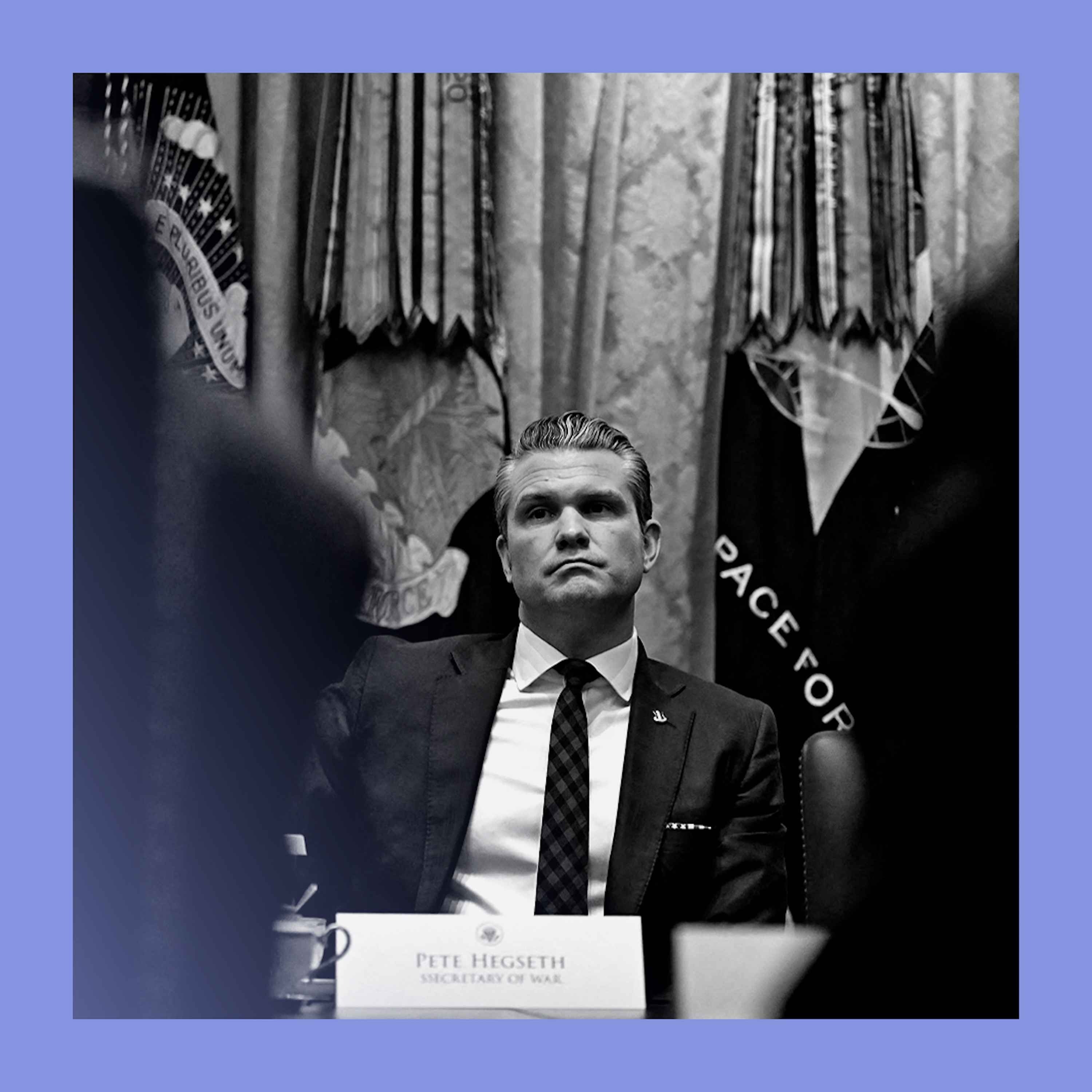
Defense Secretary Hegseth blamed his deputy, Steve Feinberg, for the severe munitions shortage. This deflection ignores that the problem is a multi-year industrial base issue that required top-level intervention, not the failure of a single subordinate.
Unlike its post-WWII industrial might, the U.S. can no longer rapidly scale munitions manufacturing in a crisis. Decades of offshoring its industrial base, primarily to its main geopolitical rival China, combined with massive debt, has created a critical strategic vulnerability that prevents a swift, decisive industrial response to war.
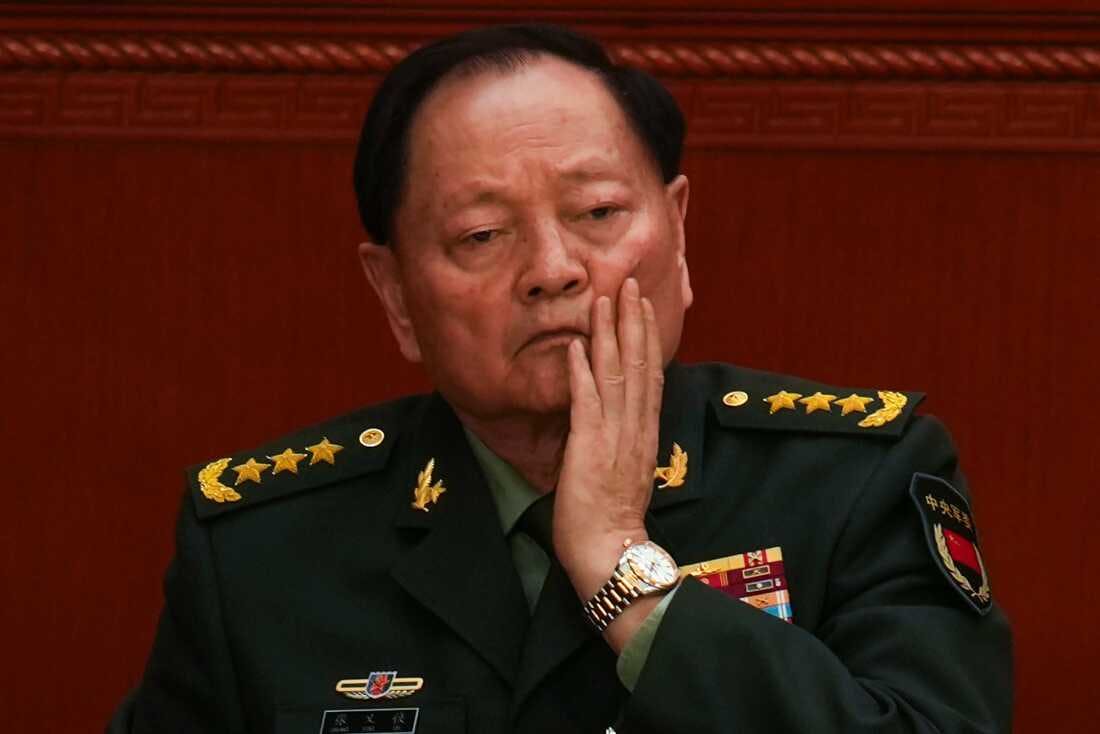
The shocking accusation that General Zhang Yuxia sold nuclear secrets to the U.S. is likely a sanctioned leak. This tactic serves to politically annihilate the individual beyond a simple corruption charge, signaling to the entire system that no one is safe.
High-ranking Pentagon officials are using informal press leaks to signal to the President that the ongoing war with Iran is depleting precision munition stockpiles. This degrades the U.S.'s ability to fight a war over Taiwan and is a deliberate, time-honored D.C. communication tactic to influence policy.
Simulations of a conflict with China consistently show the US depleting its high-end munitions in about seven days. The industrial base then requires two to three years to replenish these stockpiles, revealing a massive gap between military strategy and production capacity that undermines deterrence.

A recent Middle East conflict exposed a critical vulnerability: the U.S. and its allies used three years' worth of Patriot missile production in just 39 days. This highlights an unsustainable gap between peacetime industrial capacity and the consumption rates of modern warfare.