Get your free personalized podcast brief
We scan new podcasts and send you the top 5 insights daily.
A patient-led discovery found that taking Imatinib with fatty substances like Nutella mitigates nausea. The fat likely changes the drug's resorption profile in the stomach, improving tolerability. This demonstrates the value of listening to patient experiences for practical side effect management tips.

Related Insights
Due to fedratinib's significant GI side effect profile and the logistical difficulty of measuring thiamine levels, clinicians should proactively provide patients with thiamine supplements, anti-emetics, and anti-diarrheal therapies. Instructing patients to take the drug with food can also help mitigate GI toxicity.

The new nilotinib formulation is unaffected by food, preventing dangerous spikes in drug concentration. This stability may reduce the risk of arterial occlusive events, a major concern with the original drug, which could have been triggered by patients eating too close to their dose.

While the new CML drug Asciminib demonstrates better efficacy, its most significant advantage is superior tolerability. Clinical trial data shows it causes significantly fewer treatment discontinuations due to adverse events compared to both Imatinib and second-generation TKIs, improving patient adherence and quality of life.
Clinicians are finding that forgoing the standard 800mg loading dose of zolbituximab and starting directly with the 600mg maintenance dose appears to mitigate acute gastrointestinal toxicity, particularly gastritis. This practical adjustment is being formally studied but is already used in practice to improve patient experience.
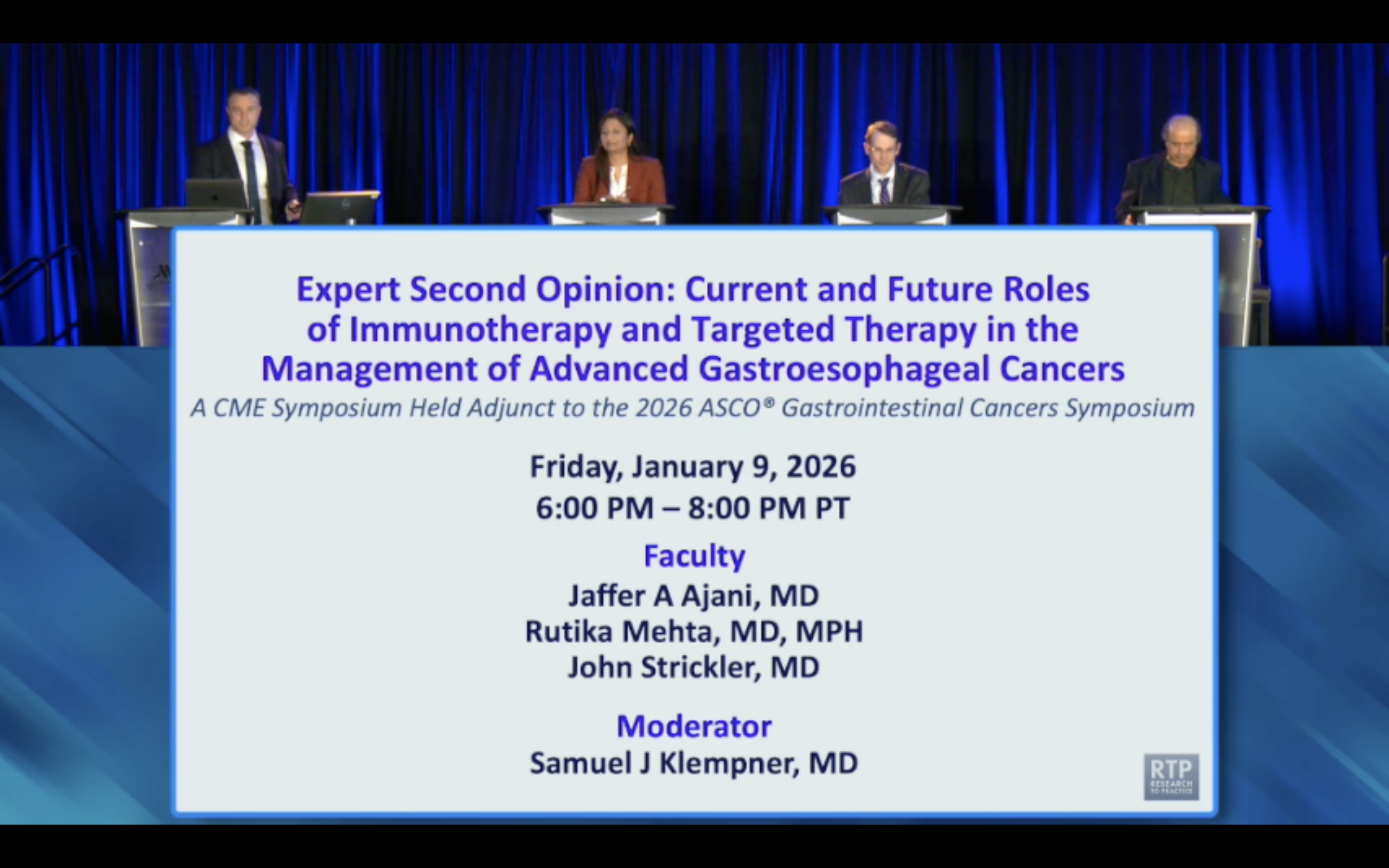
Zolbituximab causes significant nausea and vomiting as a direct result of binding its Claudin 18.2 target in the stomach. Its clinical success depends on aggressively managing this on-target effect with prophylactic multi-drug antiemetics and adjusted infusion rates, particularly during the initial treatment cycle.
Common, OTC acid-reducing drugs can drastically inhibit TKI absorption, sometimes by more than half. This frequently overlooked drug interaction can cause suboptimal responses and treatment failure in CML patients. The lack of patient questioning about OTC use presents a significant and avoidable clinical risk.
Alternate TKI formulations, like nilotinib, are engineered to be superior to parent compounds. They remove dietary restrictions (fasting) and interference from acid reducers, ensuring consistent drug exposure. This can reduce adverse effects and improve patient quality of life, moving beyond the simple 'biosimilar' label.
Severe nausea from the Claudin-18.2 antibody zolbetuximab dropped from ~20% in early trials to zero in a recent study. This was achieved not by changing the drug, but by clinicians learning and applying more effective proactive antiemetic strategies, demonstrating the power of evolving supportive care.
Newer TKI formulations ensure consistent drug absorption, correcting for under-dosing caused by food or other medications. While improving efficacy, this means more patients may experience the drug's known side effects. What seems like new toxicity could be the drug’s true profile, no longer masked by poor absorption.
Patients often assume side effects are unavoidable and don't report them. Nurses should proactively educate patients on available management options to encourage reporting and improve quality of life, as many common toxicities can be effectively mitigated.