Get your free personalized podcast brief
We scan new podcasts and send you the top 5 insights daily.
The new nilotinib formulation is unaffected by food, preventing dangerous spikes in drug concentration. This stability may reduce the risk of arterial occlusive events, a major concern with the original drug, which could have been triggered by patients eating too close to their dose.

Related Insights
For a lifelong medication like nilotinib, the daily logistical burden of a strict eating schedule—waiting hours before and after dosing—can be a greater deterrent to patient adherence than the drug's direct pharmacological side effects.
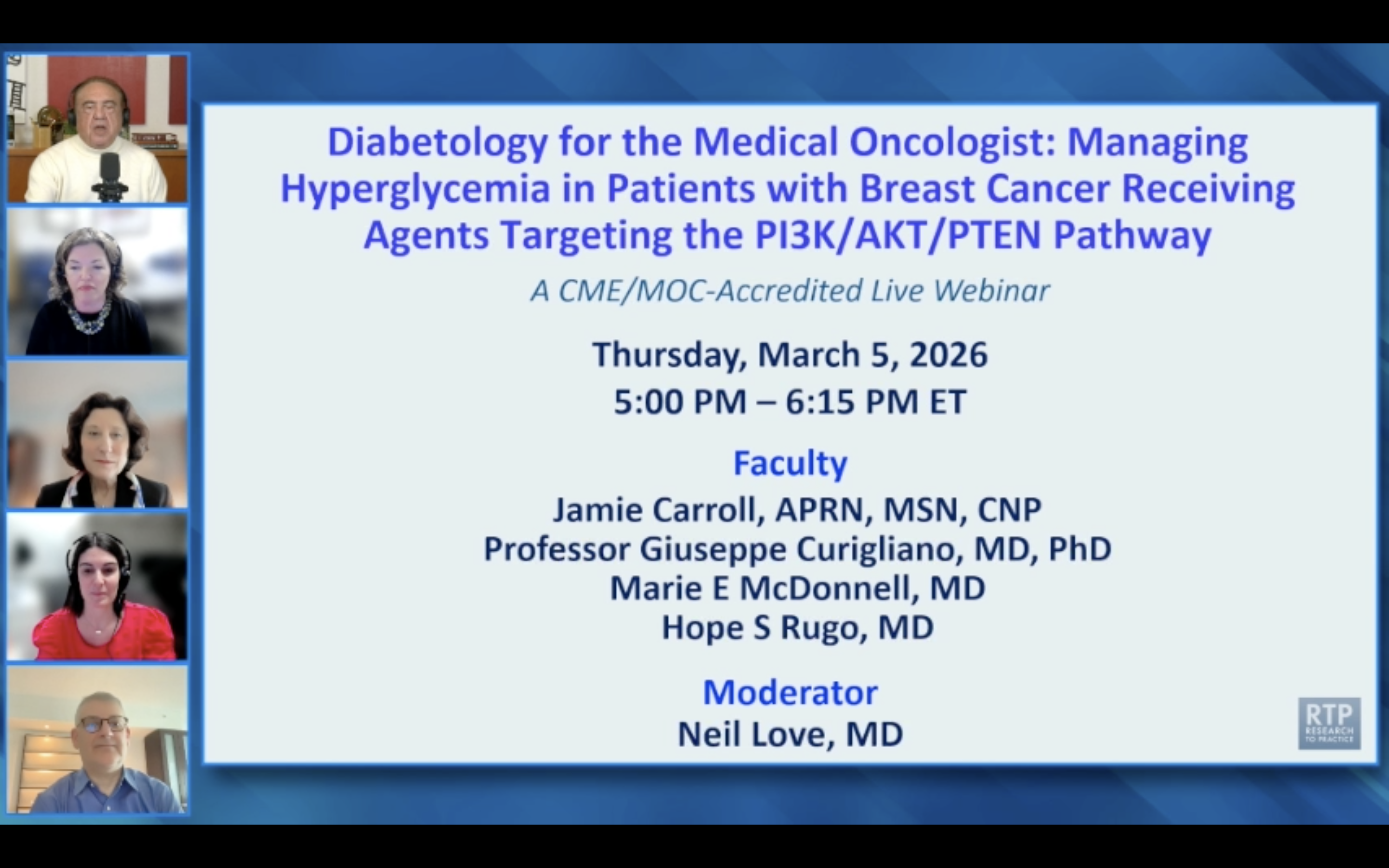
Advances in drug design mean newer PI3K inhibitors are more targeted, resulting in significantly less off-target toxicity. For example, some investigational agents have a hyperglycemia risk under 15%, a substantial improvement over earlier drugs, making them easier to manage clinically.
For patients with significant comorbidities like cardiovascular disease, proactively starting lenvatinib at a reduced dose (e.g., 14mg instead of 20mg) is a practical strategy to mitigate anticipated severe toxicities from the outset.

Beyond patient comfort, the drug's favorable safety profile—lacking common GI issues or lab abnormalities—is a strategic advantage. It reduces the need for frequent patient monitoring and doctor visits, easing the logistical burden on clinicians compared to other therapies and making it an "easier to use" option.

The development of PARP-1 selective inhibitors like seriparib signals a shift in drug innovation. Instead of only chasing higher efficacy, these new agents aim for a more favorable toxicity profile (less GI toxicity, fewer dose discontinuations) to improve patient quality of life and treatment adherence.
Pirtobrutinib's reduced side effects, like atrial fibrillation, stem from its precise targeting of BTK with minimal 'binding promiscuity' to other kinases. This makes it a safer option for patients who have already been on a less-targeted BTK inhibitor.
The new menin inhibitor, enzomenib, demonstrates potentially superior response rates (CR/CRH of 40-60%) compared to existing agents (~23%). Crucially, early data shows no QTc prolongation, a significant dose-limiting toxicity for current menin inhibitors, suggesting a major safety improvement for this drug class.

The obesity market is evolving beyond maximum weight loss. Key differentiators will become dosing convenience, side effect profiles, and preserving lean muscle. This creates space for novel mechanisms, potentially as add-on therapies to lower GLP-1 doses and mitigate side effects.

Alternate TKI formulations, like nilotinib, are engineered to be superior to parent compounds. They remove dietary restrictions (fasting) and interference from acid reducers, ensuring consistent drug exposure. This can reduce adverse effects and improve patient quality of life, moving beyond the simple 'biosimilar' label.
Newer TKI formulations ensure consistent drug absorption, correcting for under-dosing caused by food or other medications. While improving efficacy, this means more patients may experience the drug's known side effects. What seems like new toxicity could be the drug’s true profile, no longer masked by poor absorption.