Get your free personalized podcast brief
We scan new podcasts and send you the top 5 insights daily.
While overwhelmingly destructive, a leader's impulsive shattering of established norms can sometimes expose that a specific process or regulation was inefficient and unnecessary. This creates a rare opportunity to reconsider and improve upon long-standing but flawed conventions.

Related Insights
Trump's erratic approach isn't random; it's a strategy to create chaos and uncertainty. This keeps adversaries off-balance, allowing him to exploit openings that emerge, much like a disruptive CEO. He is comfortable with instability and uses it as a tool for negotiation and advantage.

Much of government functions on decorum and unwritten rules. When political actors attack these norms—like challenging procedural traditions—it creates a cycle of retribution that destabilizes the entire system more profoundly than any single illegal act could.

Many leaders fight bureaucracy like an external threat. The real cause is the organization's design: too many layers, functional silos, and distant decision-making. To fix bureaucracy, you must fundamentally change the organizational structure, not just treat symptoms.

A significant failure can be the necessary catalyst for crucial strategic changes, such as hiring key talent or overhauling planning. This externally forced reflection breaks through the leadership hubris that often causes leaders to wrongly believe enthusiasm alone is a strategy.

President Trump repeatedly takes actions that foreign policy experts predict will be catastrophic. When these gambles do not result in the worst-case scenario, it reinforces his unconventional approach in the public eye and erodes the credibility of traditional institutions and their warnings.
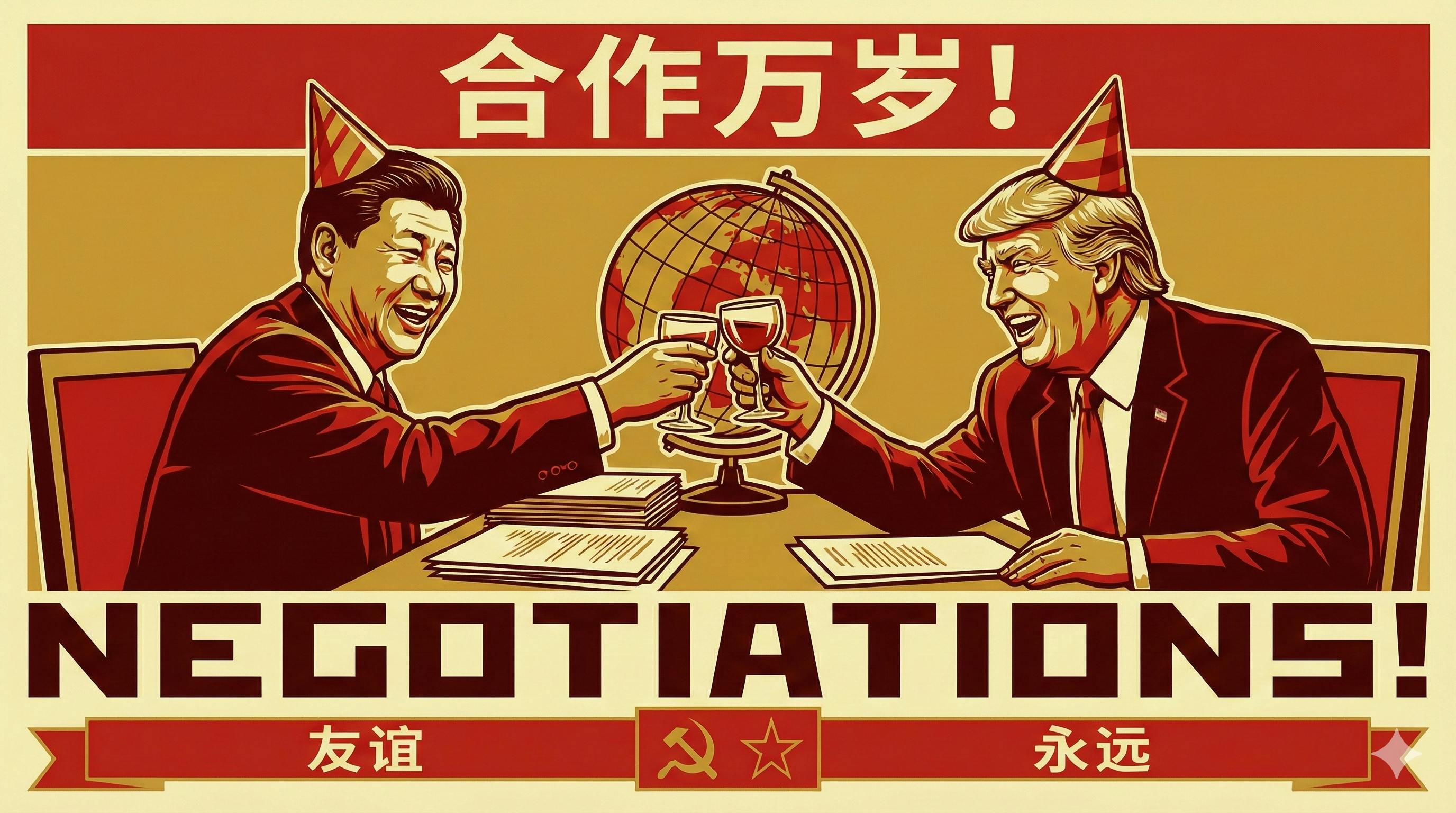
Trump's seemingly chaotic approach is best understood as a CEO's leadership style. He tells his staff what to do rather than asking for opinions, uses disruption as a negotiation tactic, and prioritizes long-term outcomes over short-term public opinion or procedural harmony.

Well-intentioned laws become distorted through layers of interpretation down the chain of command. This 'cascade of rigidity' results in practices that are inefficient and sometimes contrary to the original legal intent, creating perverse outcomes and process bottlenecks.

Vlad Tenev eliminated company-wide 'wellness days,' a popular COVID-era perk he felt was illogical and inefficient. Despite internal fear of backlash, he pushed the change through. Employee complaints lasted only a single day. This shows that leaders can make tough, logical decisions even if they seem unpopular initially.

Trump's efforts are not just breaking norms but constitute an attempt at a full-blown "political revolution." The goal is to gain direct political control over institutions like the FBI and DOJ, weaponize them against political opponents, and eliminate the checks and balances that constrain presidential power.

The Trump administration operates "extra-constitutionally" not by directly breaking laws, but by creating bureaucratic chaos. By claiming incorrect venues or unclear authority, they engage in a "cat and mouse game" that paralyzes the legal system and operates as if the Constitution doesn't exist.
