Get your free personalized podcast brief
We scan new podcasts and send you the top 5 insights daily.
Ross Perot Jr. says his father never planned to run for president. A single appearance on Larry King's show, where Larry kept pushing him, triggered an outpouring of support. Within days, phone lines had to be added to the building, and the campaign was born with no prior organization.

Related Insights
Ross Perot Jr. notes that California, Illinois, and New York are feeding Texas with companies like Charles Schwab, Caterpillar, and Goldman Sachs. He says those states are fundamentally broken and poorly run, while Texas offers a solid financial future with a AAA credit rating and budget surpluses.
Ken Langone beat Wall Street giants for Ross Perot's IPO by being brutally honest. After listening to Perot's 29-minute monologue on other banks' pitches, Langone dismissed it all as "bullshit," arguing the only thing that mattered was delivering on the promised valuation. This directness built immediate trust.

During the S&L crisis, no industrial developers would buy land at Alliance. Ross Perot Jr. and Mike Berry were forced to become developers themselves, building spec warehouses because there were no clients. That tough period taught them lifelong lessons about risk. They had to survive.
Harris wanted to appear on Joe Rogan's show but didn't. The decision wasn't about pride or avoiding a tough interview, but a cold calculation of time's return on investment. The campaign had to weigh hours of travel and recording against being physically present in a crucial swing state.

Past presidents have used the internet, but none have been true "internet natives." Andreessen predicts a future presidential candidate who will be elected entirely online, completely ignoring and being uninfluenced by legacy media like television. This figure will represent a fundamental shift from hybrid candidates like Donald Trump.

While previous elections were won on search (Obama) and social media (Trump), the current political landscape is dominated by podcasts. Candidates recognize this is the most effective way to reach the average 34-year-old voter, making podcast guest slots a top priority for any serious campaign.

History shows that being a presidential front-runner this far from an election is a poor indicator of success. Past leaders in the polls at this stage, like Rudy Giuliani or Fred Thompson, often failed to win, while lesser-known figures emerged later. The primary process itself is what forges the strongest candidate for the moment.

A key part of Trump's strategy was ignoring traditional media outlets and instead appearing on podcasts and platforms popular with young men (Joe Rogan, World Wrestling Federation). This allowed him to directly tap into their grievances and build a loyal base that felt seen.
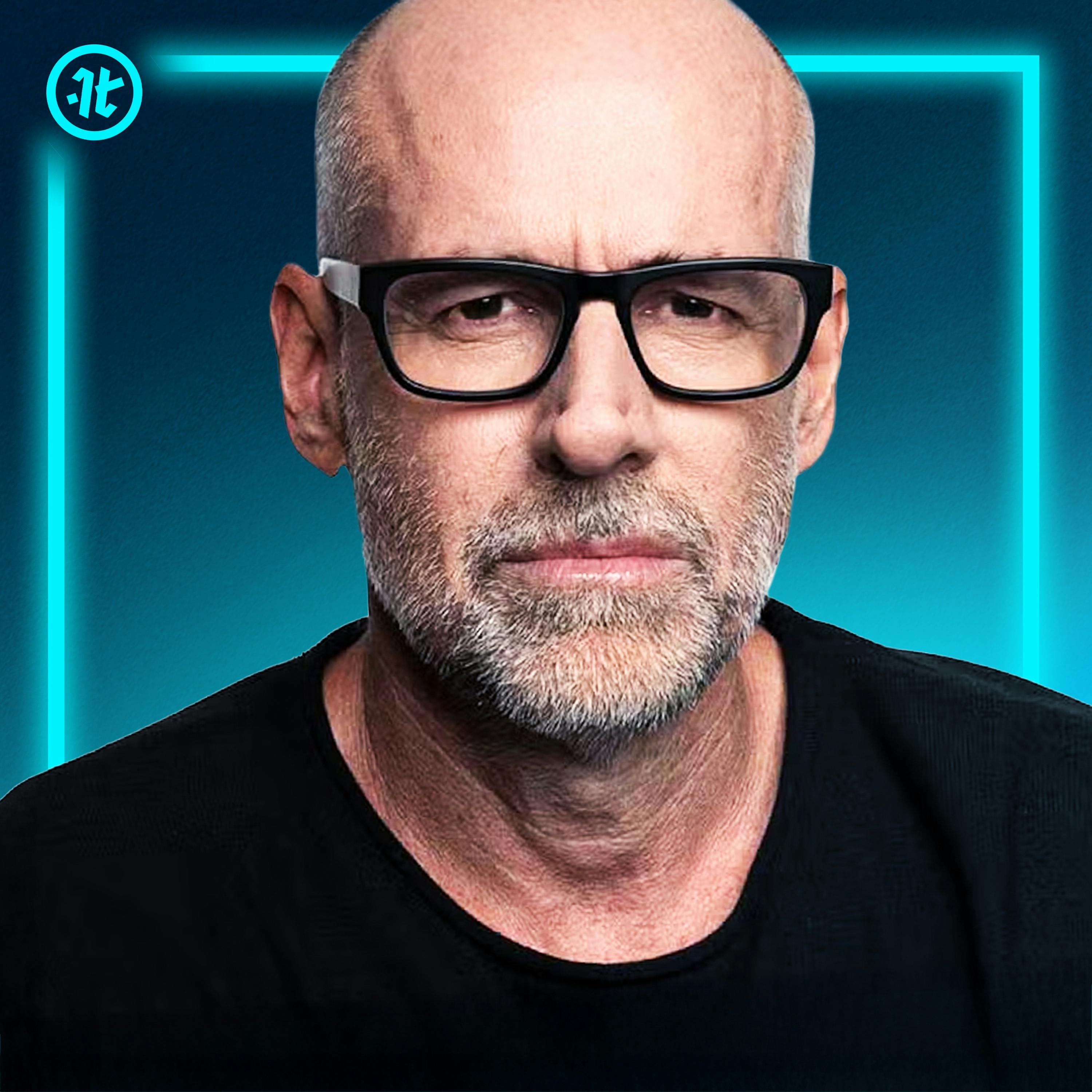
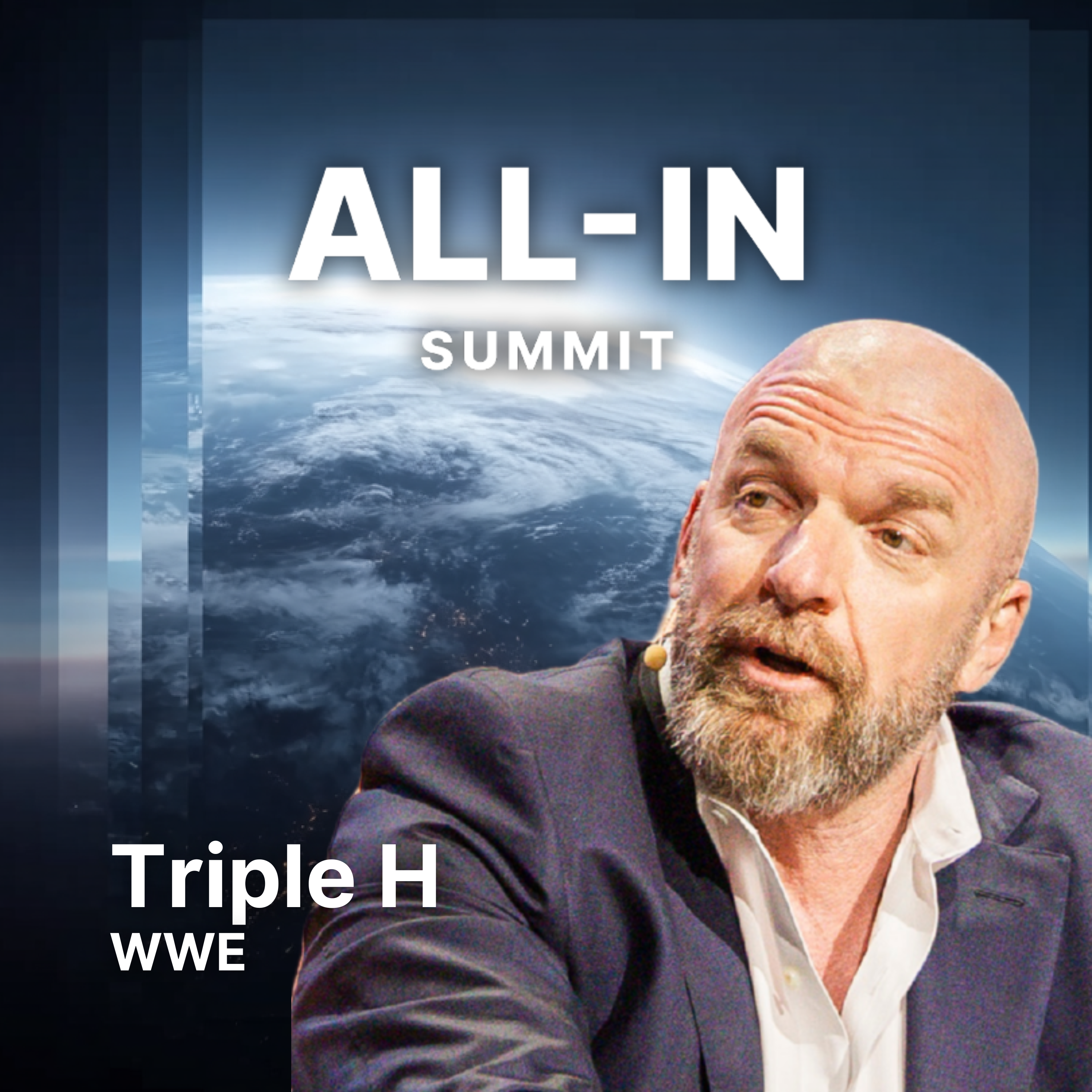
Drawing parallels between wrestling and politics, Paul Levesque asserts that voters ultimately choose presidential candidates based on charisma and personal connection, not policy details. He cites figures like Donald Trump as examples of personalities whose ability to command an audience is their primary asset.
An early deal for Ross Perot to fund Home Depot for 70% of the company collapsed because he insisted founder Bernie Marcus trade his old Cadillac for a Chevrolet to fit Perot's corporate culture. Marcus refused, prioritizing founder autonomy over funding, a decision that preserved immense future value.