Get your free personalized podcast brief
We scan new podcasts and send you the top 5 insights daily.
The most successful AI applications often stem from a founder's deep personal connection to the problem. For instance, the creator of a life-saving sepsis prediction model was a brilliant computer scientist whose own nephew had died from the disease, making its success inextricable from her motivation.

Related Insights
Founder Taylor Algren's experience as a heart failure patient directly inspired his AI startup, EasyMedicine. This deep personal understanding allows him to build a more human-centric solution for chronic disease patients by authentically anticipating their struggles with the healthcare system.

A founder's deep, intrinsic passion for their company's mission is critical for long-term success. Even with a sound business model, a lack of genuine care leads to burnout and failure when challenges arise. Leaders cannot sustain success in areas they consider a distraction from their "real" passion, like AGI research versus product monetization.

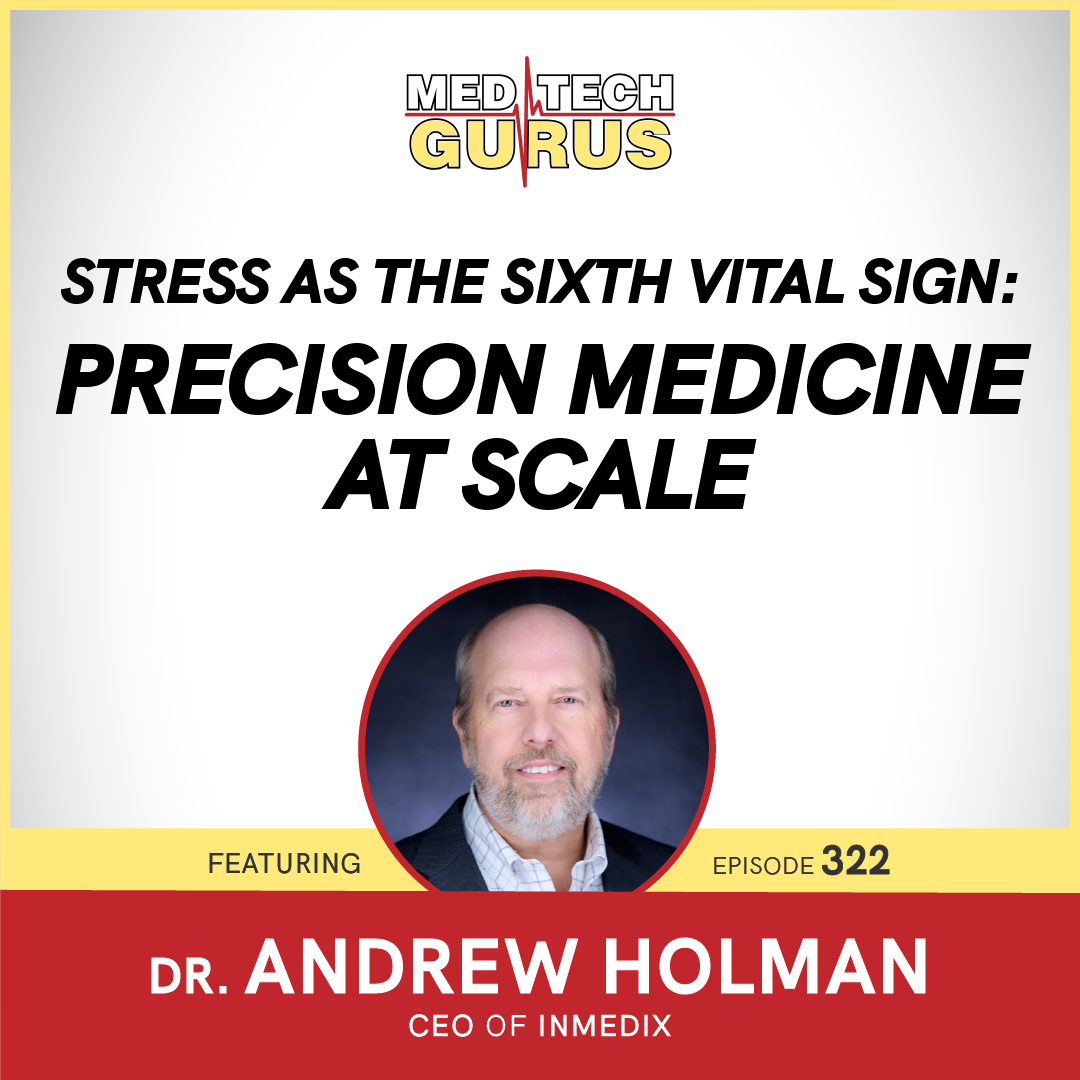
Dr. Holman started his company at 55, driven by decades of watching patients suffer from autoimmune diseases. This deep-seated motivation to solve a problem he knew intimately fostered a long-term, validation-focused approach centered on finding "proof points," a contrast to the faster, exit-oriented mindset of many younger founders.
The most critical factor for an AI startup's success is not the technology itself, but the founder's deep, intrinsic passion for the problem they are solving. This genuine interest provides the resilience to persevere through challenges, a quality that investors should value above a trendy business idea.

The work of founding scientist Dr. Sam Gambhir was deeply personal; he lost his son, himself, and his wife to cancer. This profound loss serves as the company's driving force and enduring mission, transforming the scientific endeavor into a legacy. This demonstrates how personal conviction can fuel progress against intractable problems.

In an era where AI makes building products easier for everyone, technical execution is no longer a defensible moat. The new determinant of startup success is founder resiliency and a deep passion for their vertical. Victory belongs to those who will relentlessly refine their product for a decade, not just build the first version.
The most enduring companies, like Facebook and Google, began with founders solving a problem they personally experienced. Trying to logically deduce a mission from market reports lacks the authenticity and passion required to build something great. The best ideas are organic, not analytical.
OpenAI co-founder Greg Brockman left successful startup Stripe not because it lacked a mission, but because AI was a problem he was willing to dedicate his entire life to. This deep personal connection to the problem, beyond its general importance, was his ultimate motivator.

The company wasn't built to solve a minor inconvenience. It was born from founder Jack Kokko's intense fear as an analyst of missing critical information in high-stakes M&A meetings. This deep-seated professional anxiety, not just a need for efficiency, fueled the creation of a market intelligence platform.

Spotify's CEO Daniel Ek believes the most important success factor is a founder being destined to solve a specific problem. This 'founder-problem fit,' exemplified by Demis Hassabis at DeepMind, is seen as more fundamental than even finding product-market fit.
