Get your free personalized podcast brief
We scan new podcasts and send you the top 5 insights daily.
Don't register a trademark just for abstract legal protection. Wait for a concrete business driver. For SaaS companies, needing a trademark to qualify for BIMI (which displays your logo in email clients) is a tangible reason to justify the cost and effort.

Related Insights
The ultimate PLG companies are consumer brands like shampoo, which sell on brand affinity, not commoditized features. As software becomes more commoditized, B2B companies must similarly build a strong brand theme that inspires users to associate with them, creating a more durable moat than features alone.

Coca-Cola's legal team extended its IP moat beyond the brand name. They commissioned a bottle "so distinct that you would recognize it by feel in the dark" and successfully argued for its shape to be granted trademark status, a rare accomplishment that created a powerful, non-verbal brand defender.
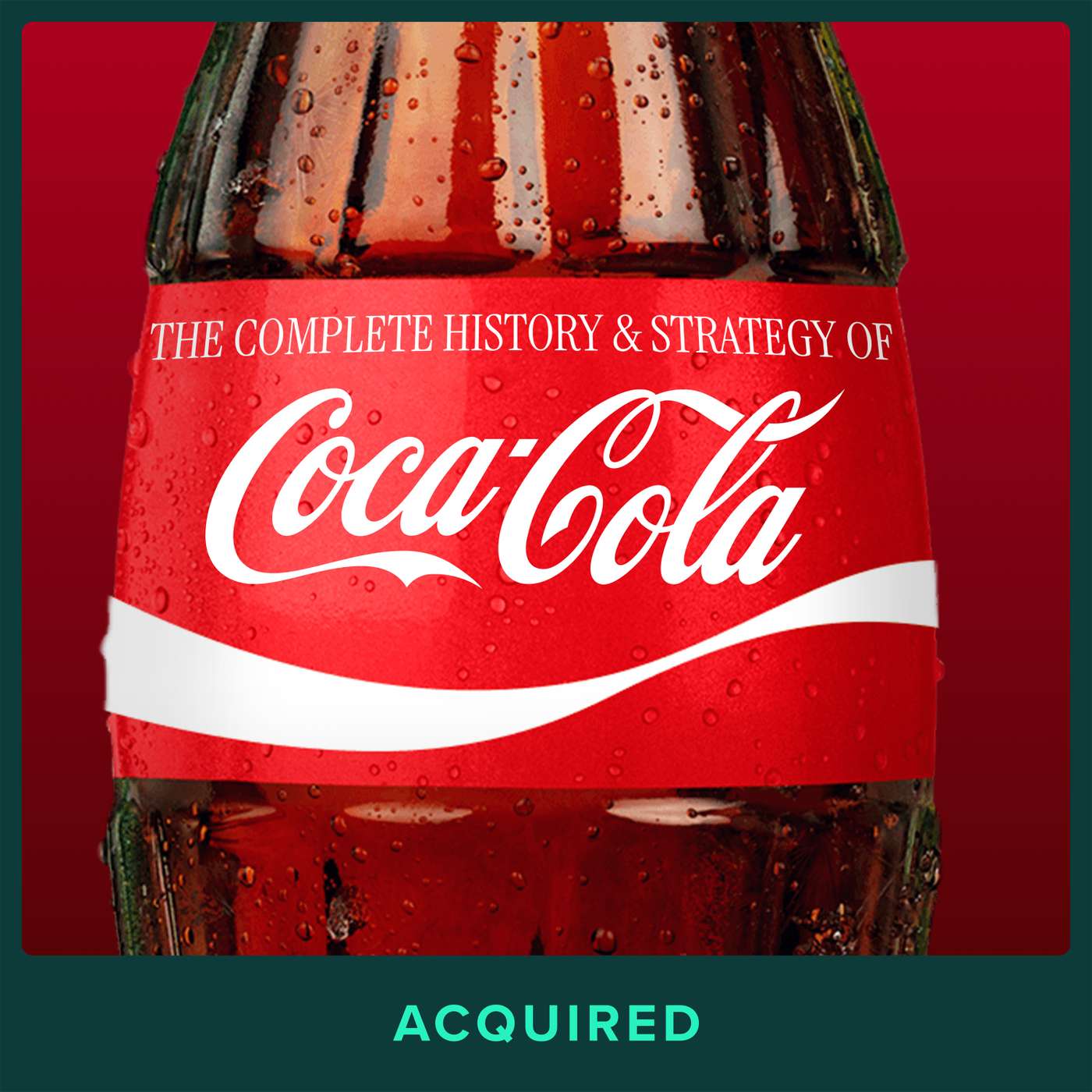
While product differentiation is beneficial, it's not always possible. A brand's most critical job is to be distinctive and instantly recognizable. This mental availability, achieved through consistent creative, logo, and tone, is more crucial for cutting through market noise than having a marginally different feature set.
A founder's reluctance to rebrand often stems from sentimental value (e.g., a family member designed it), not business logic. Overcoming this emotional barrier is a critical first step, recognizing the difference between a simple logo and a comprehensive brand identity that can scale.

Defaulting to an uninspired name and logo (e.g., a family name with a roof icon) puts a business at an immediate disadvantage. In a saturated market, a unique brand is not a luxury but a foundational tool that provides marketing lift and prevents you from getting lost in the noise.

A business with a generic name, boring logo, and no personality is just a "company" and will always struggle to charge more. Building a memorable "brand" signals seriousness and investment, allowing you to stand out and justify a higher price point.

A simple litmus test for unique brand positioning is to ask, "Could our competitor say this and have it be believable?" If the answer is yes, the message is too generic and not tied to a core, defensible differentiator. The message must be uniquely ownable.

Aspiring founders often obsess over creating unique intellectual property (IP) as a moat. In reality, for most bootstrapped SaaS companies, competitive advantage comes from superior marketing, sales, and positioning—not patents or secret algorithms. Customers choose the best tool that solves their problem, not the one with the most patents.
Reframe IP from a legal asset to be protected into your 'intellectual perspective'—a unique viewpoint on how to do something. This mindset shifts focus from costly legal protection to creating shareable, repeatable frameworks that scale your business beyond your personal involvement.

While difficult to attribute directly, strong brand recognition provides critical "air cover" for sales teams. When prospects already know who the company is, sales reps can skip the introductory explanation and focus immediately on selling the solution. This shortens the sales cycle and increases the effectiveness of outreach, justifying brand investment.
