Get your free personalized podcast brief
We scan new podcasts and send you the top 5 insights daily.
To ensure extreme focus, PayPal CEO Peter Thiel assigned each key employee only one primary problem to solve. If they tried to discuss anything else with him, he would non-verbally communicate his disapproval by physically leaving the room, forcing relentless single-tasking.

Related Insights
Musk doesn't broadly delegate. He abdicates most operations but intensely focuses on the single greatest bottleneck across his entire enterprise, 'nano-managing' it until it's resolved before moving to the next one, like the Eye of Sauron.

To combat analysis paralysis and the tendency to simply 'admire a problem,' Jamie Dimon asks his team what they would do if they were 'king for a day.' This question forces a concrete recommendation, cutting through discussion and making it 'crippling' for those unable to form a decisive view.
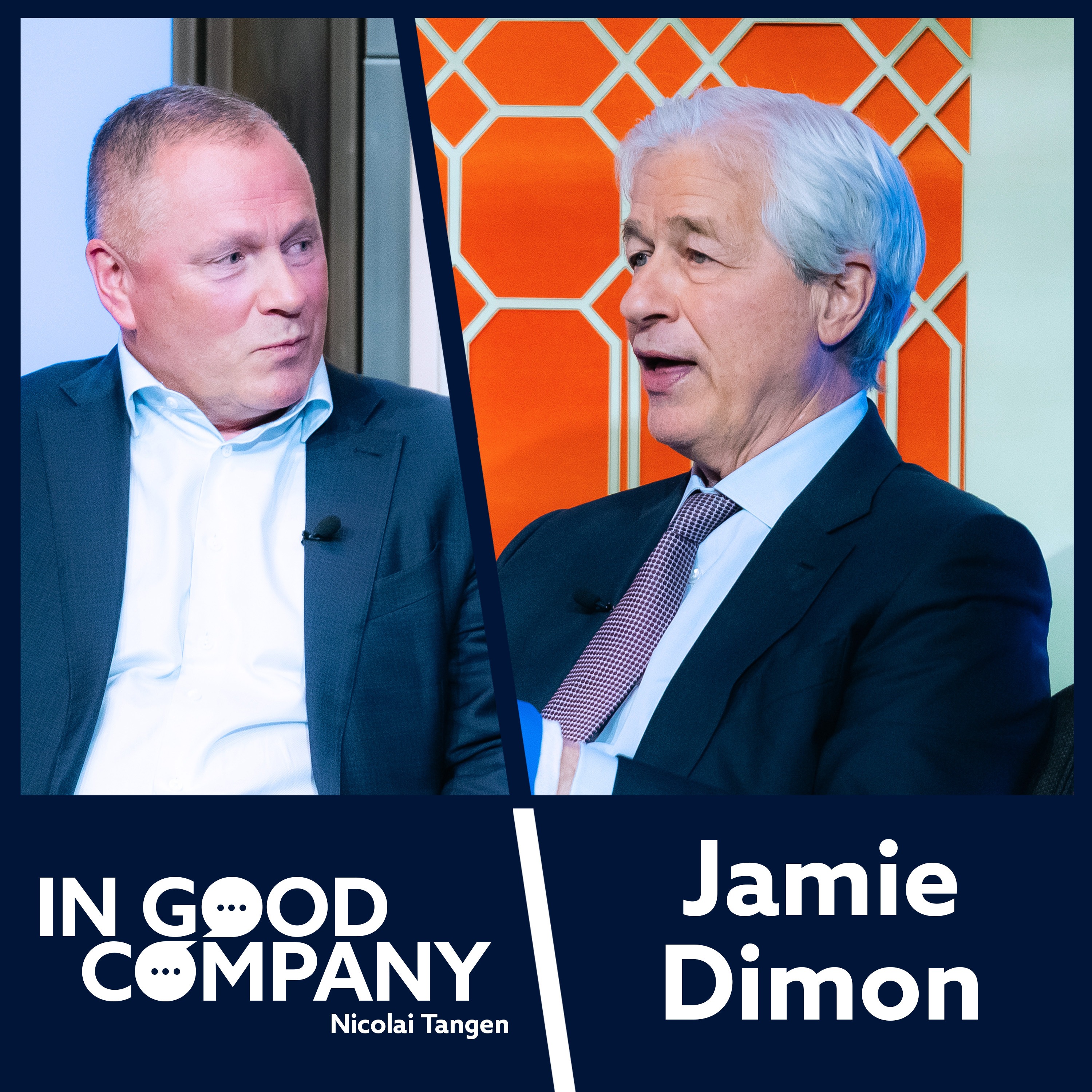
To make a project successful, it must be the top priority for a specific individual. Giving them the title "CEO of their domain" inspires founder-level ownership and prevents important initiatives from being neglected or de-prioritized.
Bill Harris describes the early PayPal team—Musk, Thiel, Hoffman, etc.—as a collection of brilliant individuals whose egos were too massive to fit in a large room. This created an unstable, chaotic environment that was also incredibly creative and action-oriented, as everyone relentlessly pursued their own ideas.

Tobi Lütke suggests that a founder setting aggressive deadlines can be a productive force. The team gets to complain about the 'crazy founder,' which builds camaraderie. This dynamic, combined with the challenge, often pushes talented people to produce some of the best work of their careers.

Peter Thiel's key to success was building a team of specialists with non-overlapping skills who were unafraid to push back. The culture valued unique perspectives rooted in individual expertise, not what someone thought the leader wanted to hear, fostering genuine debate and better decisions.

At PayPal, Peter Thiel made every person responsible for exactly one unique thing. This simplified management and had a deeper effect: by clearly defining roles, it reduced internal conflict and preserved the internal peace necessary for a startup's survival.

When re-architecting the business, the new COO (now CEO) physically boxed up a major drone project to signal a radical shift. This forced the team to focus on doing one thing exceptionally well—building an autonomous platform—before expanding off of that solid base.
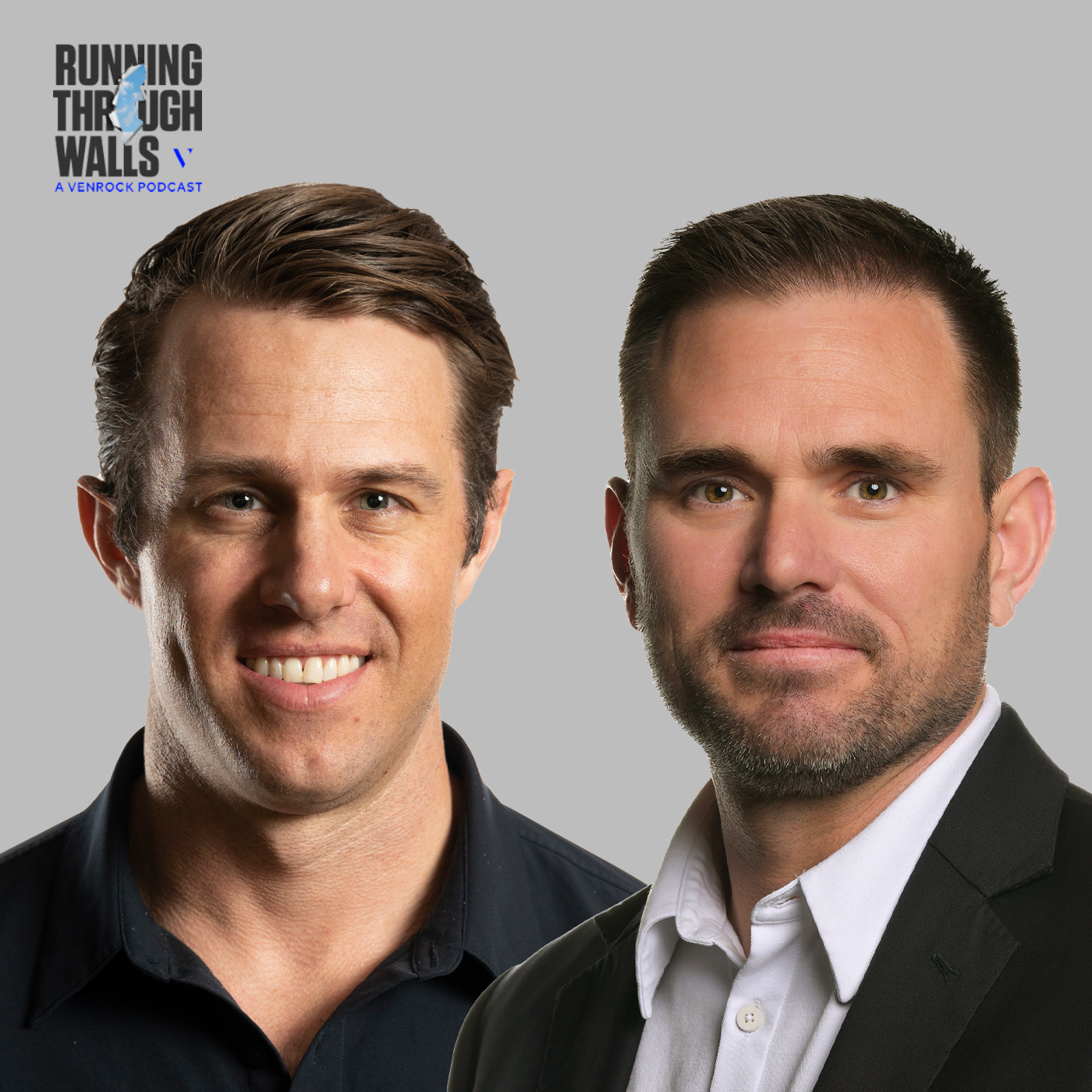
Growth required a mentor, Al Levy, who demanded absolute focus. He forced Tommy Mello to stop reading new books, turn off his phone, and dedicate himself solely to building systems and manuals. This disciplined, singular focus was necessary to escape operational chaos and scale the business.
To combat the startup tendency of building too many features, Koah's CPO forces the team to answer, "If you could literally only work on one thing, what would it be?" This constraint cuts through noise and exposes the true top priority, accelerating focused development.
