Get your free personalized podcast brief
We scan new podcasts and send you the top 5 insights daily.
Carvana's hiring philosophy avoids candidates with deep industry experience because they often believe things must work as they always have. Instead, they seek highly motivated individuals with less experience to avoid legacy thinking and build new systems from scratch.

Related Insights
OpenGov's CEO advises against the conventional wisdom of hiring salespeople with deep government experience. Instead, his company seeks hungry, courageous, and disciplined individuals and trains them internally on domain specifics, finding this approach more effective.

When hiring, a candidate with high passion for the subject matter but low experience is more valuable than an experienced candidate with low passion. Skills are teachable, but genuine enthusiasm for the mission is not. This framework helps resolve the common hiring dilemma between potential and polish.

When building a team for a novel venture, prioritize curious qualities over pure credentials. Look for collaborators who are passionate, resilient, and 'iconoclastic'—comfortable challenging the status quo. Also seek out people with diverse outside interests, as they can draw unique connections and avoid narrow thinking.

Early-stage startups thrive on rapid iteration. Seek hires who can 'get shit done at an incredible clip' and make decisions at '100 miles per hour,' even if some are wrong. These individuals, often 'rough around the edges,' are more valuable than candidates with perfect paper pedigrees from large tech companies.

Guidara deliberately avoided hiring people with extensive fine-dining experience. Newcomers are less beholden to industry norms and more likely to ask "why," challenging long-held assumptions. This 'intelligent naivety' can be a superpower for innovation, preventing stagnation.

Avoid hiring a growth leader with a big-name pedigree for your early team, as they are often unsuited for the necessary hands-on experimentation. Instead, seek young, hungry builders who are motivated by chaos and comfortable rebuilding their own work as the company's needs evolve.

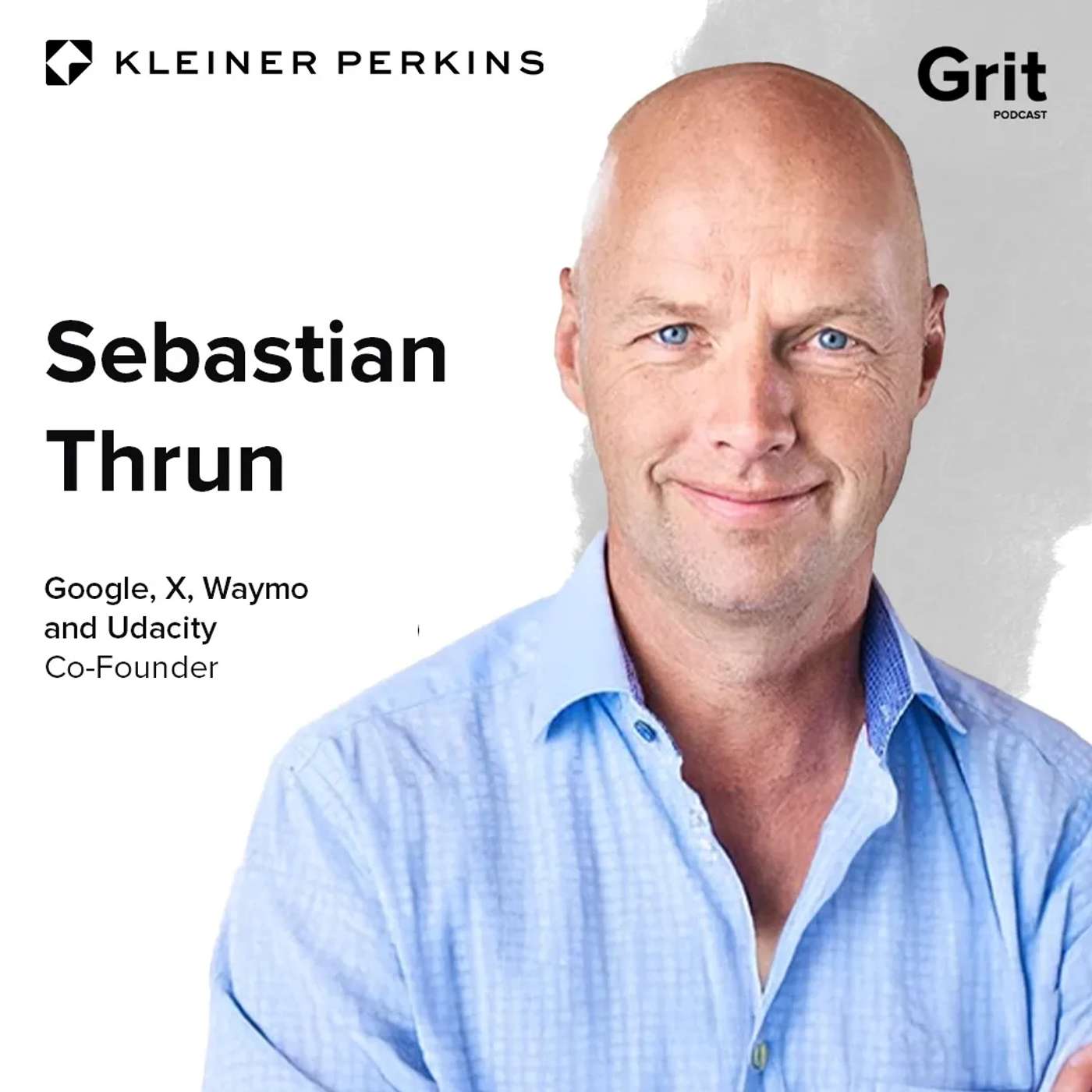
When building its self-driving car team, Google intentionally hired software engineers over automotive experts. They found industry veterans were so ingrained in the existing paradigm that they couldn't adapt to a software-first approach and ended up firing them. The project's success came from fresh minds.
A CRO found 80% of hires based on deep industry experience failed. He now prioritizes candidates with a winning attitude, openness to change, and a history of solving complex problems in adjacent fields, valuing coachability over a seemingly perfect resume.

In rapidly evolving fields like AI, pre-existing experience can be a liability. The highest performers often possess high agency, energy, and learning speed, allowing them to adapt without needing to unlearn outdated habits.

In a paradigm shift like AI, an experienced hire's knowledge can become obsolete. It's often better to hire a hungry junior employee. Their lack of preconceived notions, combined with a high learning velocity powered by AI tools, allows them to surpass seasoned professionals who must unlearn outdated workflows.
