Get your free personalized podcast brief
We scan new podcasts and send you the top 5 insights daily.
Andreessen warns that "learning from mistakes" in VC is dangerous. A bad experience in a sector (e.g., AI in the 80s) can create an emotional bias, causing investors to pass on the next massive opportunity in that same space due to a "scalded stove" effect. The focus should be on avoiding omission errors.

Related Insights
The worst feeling for an investor is not missing a successful deal they didn't understand, but investing against their own judgment in a company that ultimately fails. This emotional cost of violating one's own conviction outweighs the FOMO of passing on a hot deal.

Entrepreneurs often get burned by a failed investment (like a bad ad agency) and become hesitant to invest in that area again. This is a cognitive trap. The first loss was the money spent; the second, more significant loss is the opportunity cost of not trying again with a better strategy.

True investment courage isn't just writing the first check; it's being willing to invest again in a category after a previous investment failed. Many investors become biased and write off entire sectors after a single bad experience, but enduring VCs understand that timing and team make all the difference.

In venture capital, the potential return from a single massive winner (1000x) is so asymmetric that it dwarfs the cost of multiple failures (1x loss). This reality dictates that the primary focus should be on identifying and capturing huge winners, making the failure to invest in one a far greater error than investing in a company that goes to zero.

Post-mortems of bad investments reveal the cause is never a calculation error but always a psychological bias or emotional trap. Sequoia catalogs ~40 of these, including failing to separate the emotional 'thrill of the chase' from the clinical, objective assessment required for sound decision-making.

Bessemer Venture Partners publicly lists massive companies it passed on to foster a learning culture. This highlights their philosophy that the opportunity cost of missing a transformative company (a crime of omission) is far more damaging than investing in one that fails (a crime of commission).

Investors often reject ideas in markets where previous companies failed, a bias they call "scar tissue." This creates an opportunity for founders who can identify a key change—like new AI technology or shifting consumer behavior—that makes a previously impossible idea now viable.

In VC, where being wrong is the norm (80%+ of the time), the most critical trait is not righteousness but deep curiosity. This learning-first mindset is what uncovers non-obvious opportunities and allows investors to see future market shifts before they become mainstream, according to True Ventures' Jon Callaghan.
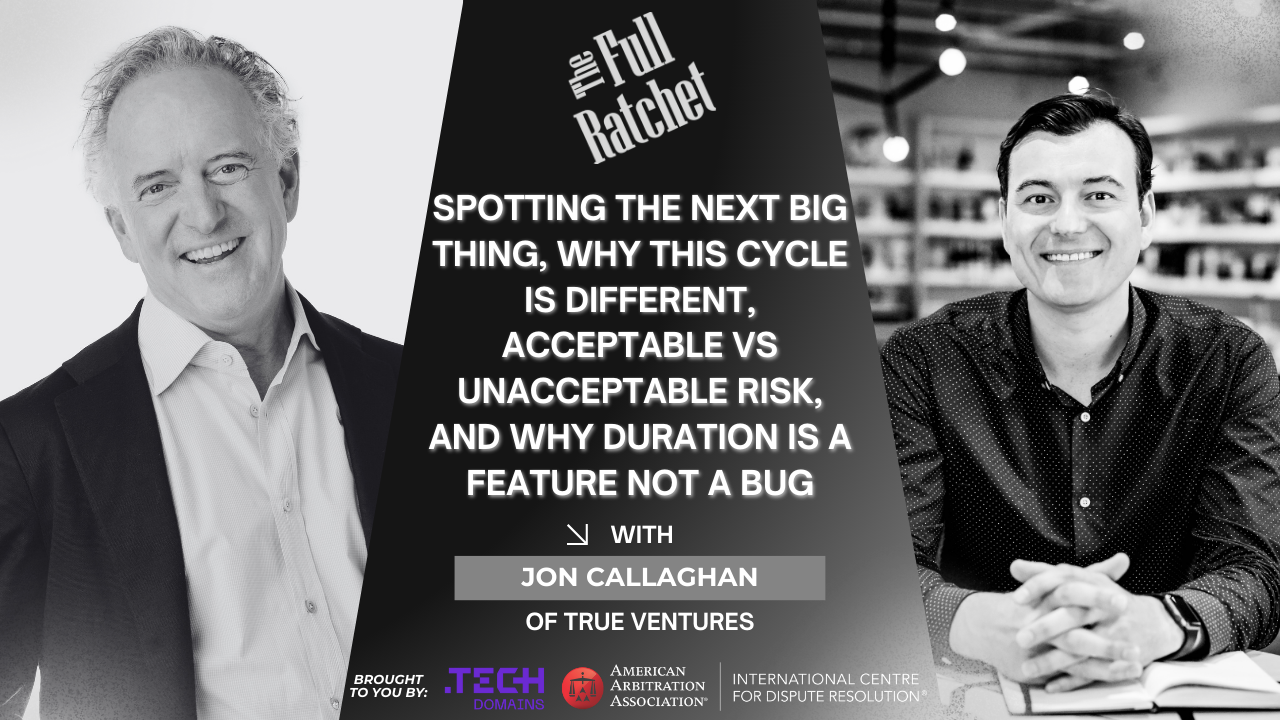
Investors naturally develop 'scar tissue' from past failures, leading to increased cynicism that can prevent them from backing ambitious, non-obvious ideas. The best investors intentionally fight this bias by balancing their experience with a 'beginner's mind.' While pure naivete is dangerous, so is excessive cynicism, and finding the intersection between the two is critical for venture success.
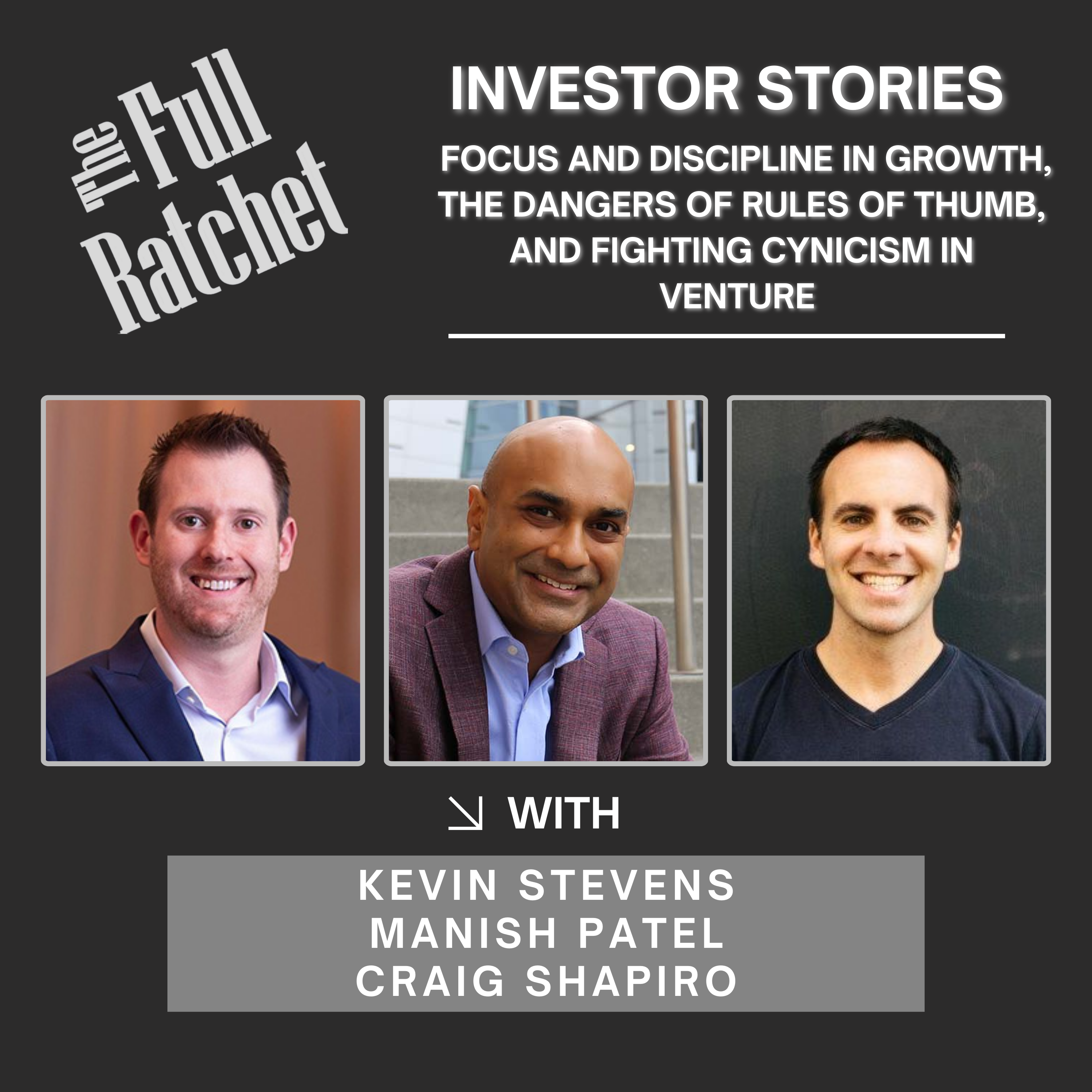
VCs often pass on great companies by over-indexing on the theoretical threat of future competition from incumbents like Google. Andreessen Horowitz's post-mortems show this is a common mistake. The better approach is to invest in a founder's unique, "spiking strengths" rather than focusing on a lack of hypothetical future threats.