Get your free personalized podcast brief
We scan new podcasts and send you the top 5 insights daily.
A purpose-led approach is not merely aspirational; it is a practical decision-making filter. The ultimate test of a truly purpose-driven business is its willingness to turn down misaligned work or customers, even if it comes at a short-term financial cost.

Related Insights
The 20th-century view of shareholder primacy is flawed. By focusing first on creating wins for all stakeholders—customers, employees, suppliers, and society—companies build a sustainable, beloved enterprise that paradoxically delivers superior returns to shareholders in the long run.

When leaders are stuck defining their organization's mission, this question forces a shift from generic goals like survival to tangible impact. It clarifies the unique value provided to customers and society, revealing a more motivating and authentic purpose beyond simply 'staying in business.'
Marketing professor Marcus Collins argues that the true test of brand leadership isn't crafting a purpose statement, but adhering to it when faced with challenges or pressure on shareholder value. Many leaders evangelize their brand's point of view only when convenient, which ultimately undermines authenticity.
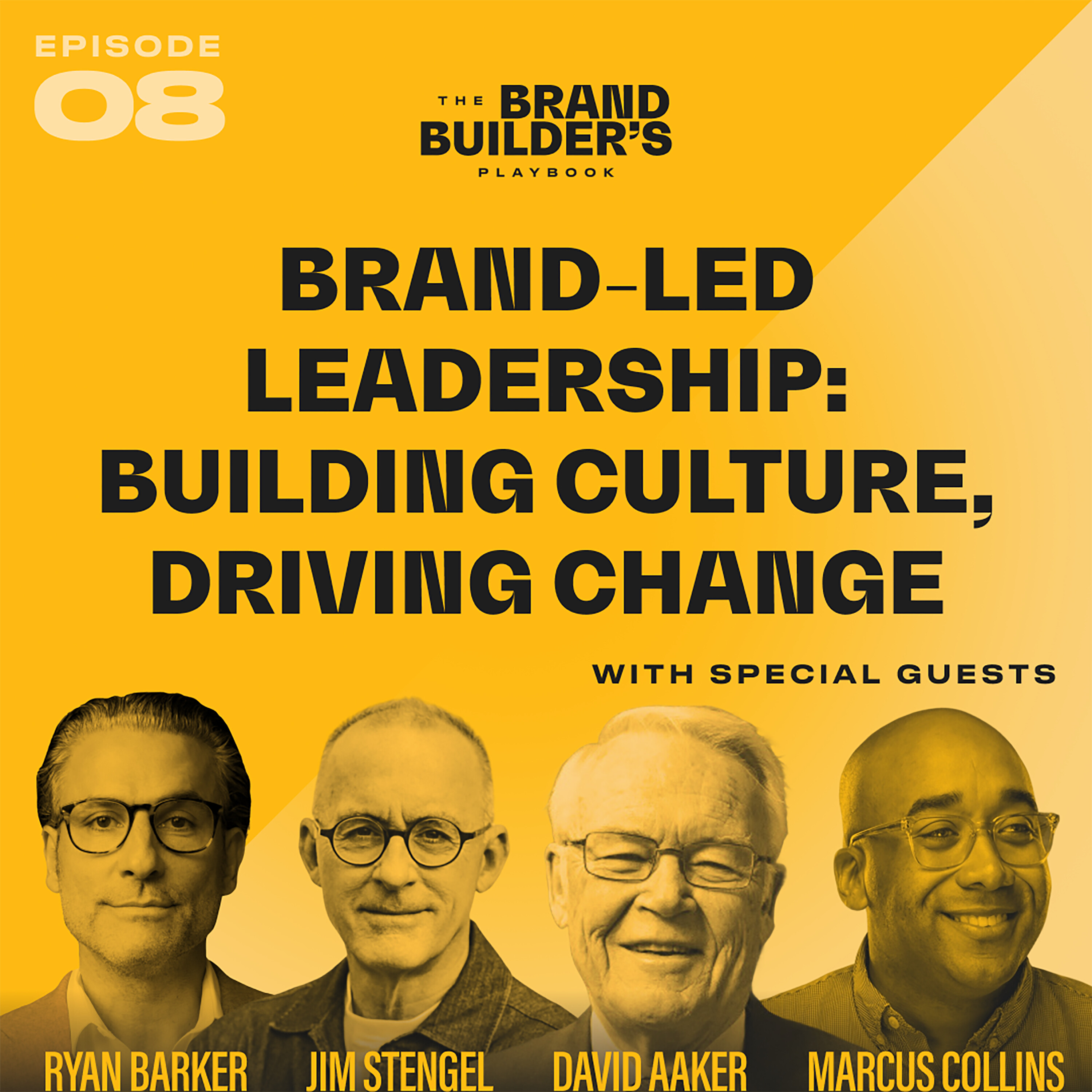
The moment a brand justifies its purpose by claiming it drives profit, it ceases to be a purpose. The logic becomes transactional; if a more profitable but unethical path appeared, a profit-driven logic would dictate taking it. True purpose must exist independent of financial gain.

To find your company's true purpose, ask a clarifying question: "Who would you rather die than betray?" This forces a clear hierarchy of commitments (e.g., customers first, then employees, then shareholders) and creates a powerful, memorable principle for difficult decision-making.

Stating that your company's purpose is to make a profit is not a compelling 'why' for employees or customers. A true purpose should be a unique identifier, like a thumbprint or DNA, that distinguishes the organization from all competitors who are also seeking profit.
The pressure to secure business can lead to accepting misaligned clients or inauthentic partnerships. However, saying 'no' is a powerful strategy. It removes bottlenecks and frees up the capacity to pursue and execute on opportunities that are a true strategic fit, ultimately leading to greater success.

Amidst endless distractions like competitors, funding struggles, or negative press, the most effective focusing mechanism is to constantly return to one question: 'Why do we exist for our customer?' This core purpose should guide all strategic decisions and help filter out noise that doesn't serve the end user.

Wikipedia's simple purpose—"a free encyclopedia"—served as a powerful tool to reject tempting but distracting ideas, like creating a webmail service. This shows that a well-defined mission isn't just for branding but is a critical internal guide for strategic decision-making and resource allocation, preventing strategic drift.
Many firms claim differentiation, but it's just branding if it lacks sacrifice. True differentiation is demonstrated by purposefully avoiding a popular and profitable area because it violates your core principles. This consistency builds long-term trust that trend-chasing erodes.
![John Kim - How to Raise a Few Billion Dollars - [Invest Like the Best, EP.482] thumbnail](https://megaphone.imgix.net/podcasts/78e0a26e-7f00-11f1-b43d-f79b97e3a2f1/image/5948c7e5d07d7d7947673fcc8f67e552.jpg?ixlib=rails-4.3.1&max-w=3000&max-h=3000&fit=crop&auto=format,compress)