Get your free personalized podcast brief
We scan new podcasts and send you the top 5 insights daily.
Hasan Piker reveals he has become more careful with his words not due to general criticism, but because his commentary was used against political allies like Zohran Mamdani. The primary goal is to support an agenda, not become a distracting liability for the opposition.

Related Insights
Unlike traditional journalism, creators often give politicians editorial control. They provide a "courtesy edit" and admit that, legally, a politician's team could likely prevent the content from being published if they disagreed with the final cut, a major concession of creative control.

Jodi Cantor's careful language on the podcast isn't just caution; it's a strategic necessity. She operates under the assumption that her sources, or even the subjects of her reporting, could be listening. Every word is weighed to avoid giving the "wrong impression" and jeopardizing hard-won reporting access.

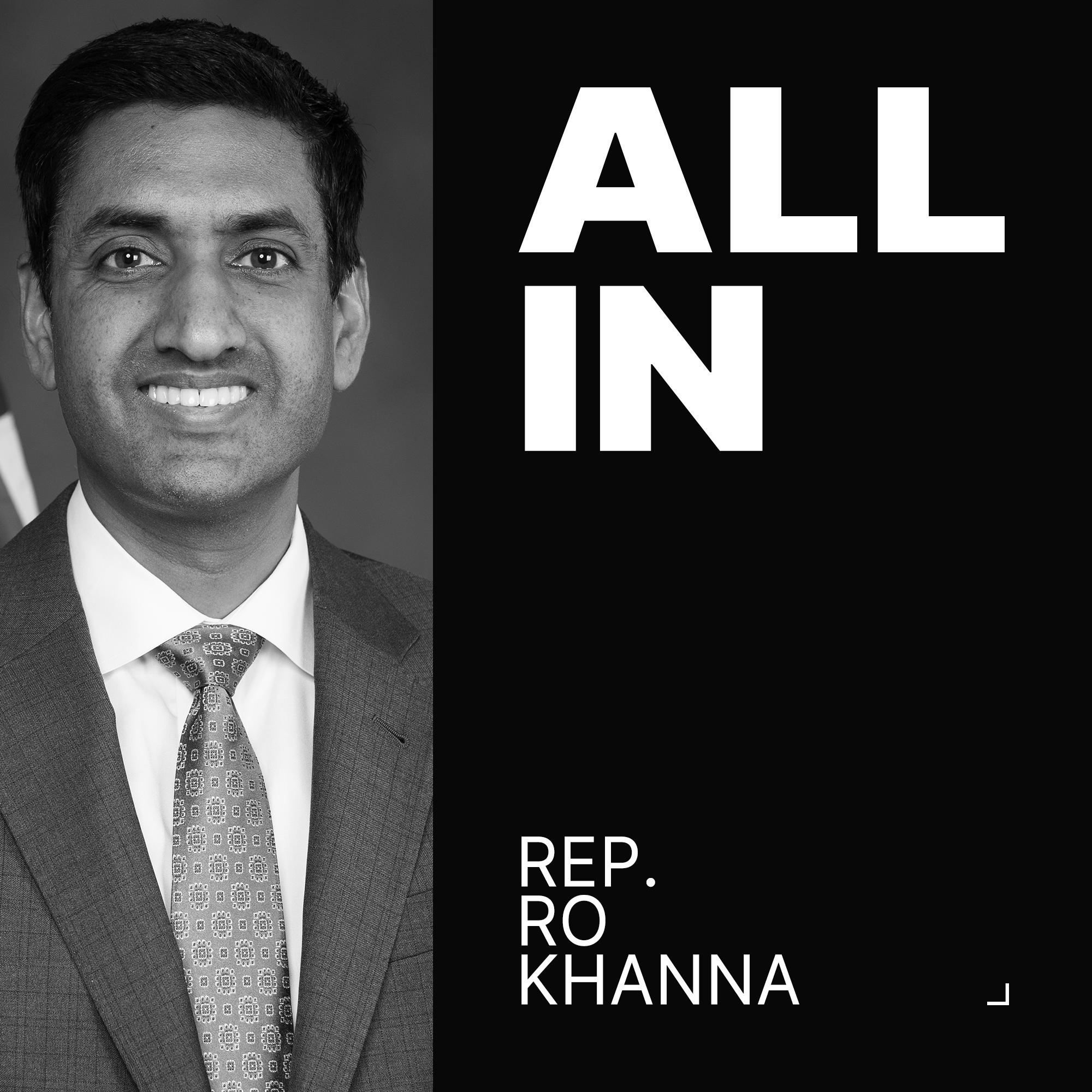
Ro Khanna argues that the true measure of a commitment to free speech isn't defending allies, but defending the speech of opponents. He builds credibility by citing his record of defending views he disagrees with, asserting this consistency is lacking on both political sides.
After years in media, Hasan Piker reveals a pragmatic political approach, viewing candidates as disposable tools to advance an agenda rather than figures to idolize. This marks an evolution from the 'all-or-nothing purist' stance, acknowledging the necessity of working within a system of disappointments.
A savvy political strategy involves forcing opponents to publicly address the most extreme statements from their ideological allies. This creates an impossible purity test. No answer is good enough for the fringe, and any attempt to placate them alienates the mainstream, effectively creating a schism that benefits the opposing party.

Avoid focusing animosity on individual political figures, as they are merely symptoms of a larger, rising ideology. The real threat is the movement, not the person. Therefore, energy should be directed at debating the underlying ideas rather than launching personal attacks.
Public figures are most vulnerable when they make short, context-free statements (e.g., on Twitter). The best defense is to articulate complex or controversial ideas in long-form formats like podcasts or essays. This surrounds the idea with its full context, making it much harder for critics to misinterpret or weaponize.

By prioritizing the identity of a speaker over the substance of their message, the progressive left creates an environment that alienates potential allies and silences important conversations. Harris argues this dynamic is a self-defeating 'own goal' that ultimately fueled the rise of political opponents like Donald Trump.
Influencers with massive reach intentionally reject interviews with top politicians like President Biden and RFK Jr. They view engaging in politics as a deviation from their entertainment-focused brand that could alienate their audience and jeopardize their income.
A power inversion is happening in media access. Politicians actively seek appearances on creator shows, known for softer content, while legacy news outlets struggle to get interviews. This highlights a strategic shift where politicians prioritize friendly mass reach over journalistic scrutiny.