Get your free personalized podcast brief
We scan new podcasts and send you the top 5 insights daily.
Lyft considers its ownership of FlexDrive, a fleet management company, a key competitive advantage in the AV race. It believes operational excellence in vehicle servicing, cleaning, and maintenance is the overlooked key to maximizing the availability and revenue of an autonomous fleet.

Related Insights
The future of gig work on Lyft isn't just about replacing drivers with corporate AV fleets. CEO David Risher envisions a model where individuals can own a self-driving car and add it to the Lyft platform, trading their vehicle's time for money instead of their own.

Lyft is competing with Waymo in cities like San Francisco but partnering with them in Nashville, where Lyft manages Waymo's fleet (cleaning, charging, maintenance). This "frenemy" approach allows Lyft to participate in the autonomous vehicle future by providing operational services to a direct competitor.
Autonomous vehicle technology will likely become a commodity layer, with most manufacturers providing their cars to existing ride-sharing networks like Uber and Lyft. Only a few companies like Tesla have the brand and scale to pursue a vertically-integrated, closed-network strategy.
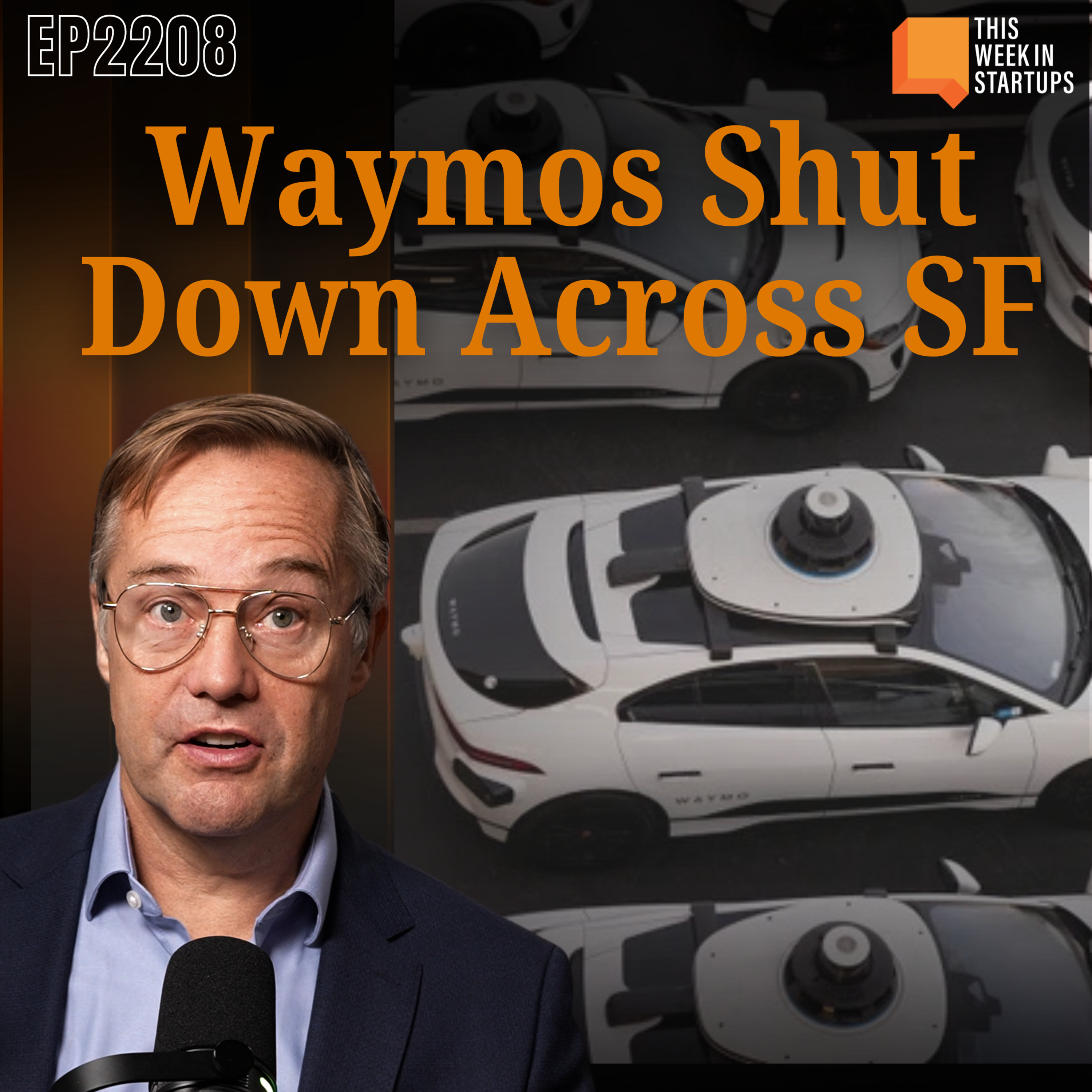
The seamless experience of an autonomous vehicle hides a complex backend. A subsidiary company, FlexDrive, manages a fleet for services like cleaning, charging, maintenance, and teleoperation. This "fleet management" layer represents a significant, often overlooked, part of the AV value chain and business model.

Lyft's CEO argues the competition is not a binary battle with Uber for their combined 2.5 billion annual rides. Instead, the true target market is the 160 billion rides Americans take in their own cars. This reframes the opportunity from market share theft to massive market expansion and conversion.

As tech giants like Google and Amazon assemble the key components of the autonomy stack (compute, software, connectivity), the real differentiator becomes the ability to manufacture cars at scale. Tesla's established manufacturing prowess is a massive advantage that others must acquire or build to compete.
Instead of building its own AV tech or committing to one exclusive partner, Lyft is embracing a 'polyamorous' approach by working with multiple AV companies like Waymo, May Mobility, and Baidu. This de-risks their strategy, positioning them as an open platform that can integrate the best technology as it emerges, rather than betting on a single winner.
Uber has no intention of owning massive AV fleets. Instead, it plans to prove the revenue model for robo-taxis and then enable financial institutions and private equity firms to purchase and operate the fleets on its platform, similar to how REITs own hotels managed by Marriott.

CEO David Risher claims data refutes the idea that AVs displace human drivers. Instead, Lyft's growth is faster in cities with AVs like San Francisco and Phoenix. He suggests AVs "oxygenate the market," expanding overall demand for ridesharing rather than just cannibalizing existing rides.
CEO David Risher describes Lyft's autonomous vehicle strategy as "polyamorous." Instead of betting on one technology partner, they are integrating with multiple AV companies like Waymo, May Mobility, and Baidu. This approach positions Lyft as the essential network for any AV provider to access riders, regardless of who builds the best car.