Get your free personalized podcast brief
We scan new podcasts and send you the top 5 insights daily.
Waymo's initial focus on an owned-and-operated fleet serves a strategic purpose beyond revenue: it educates the public on fully autonomous technology. By controlling the end-to-end experience, they build the trust and understanding necessary for future business lines like software licensing.

Related Insights
Lyft is building a new business line providing complex 'fleet operations' for autonomous vehicles, including maintenance, charging, and sensor cleaning. This B2B service is a core part of its strategy, focusing on the specialized logistics required to keep capital-intensive AVs utilized and profitable, beyond just providing a platform for rides.

While tech companies focus on AV software, Lyft has a crucial operational advantage with its FlexDrive subsidiary. Having already managed a 10,000-car fleet for human drivers, Lyft possesses the real-world experience in maintenance, cleaning, and logistics needed to manage future professional AV fleets at scale.

Lyft is competing with Waymo in cities like San Francisco but partnering with them in Nashville, where Lyft manages Waymo's fleet (cleaning, charging, maintenance). This "frenemy" approach allows Lyft to participate in the autonomous vehicle future by providing operational services to a direct competitor.
The seamless experience of an autonomous vehicle hides a complex backend. A subsidiary company, FlexDrive, manages a fleet for services like cleaning, charging, maintenance, and teleoperation. This "fleet management" layer represents a significant, often overlooked, part of the AV value chain and business model.

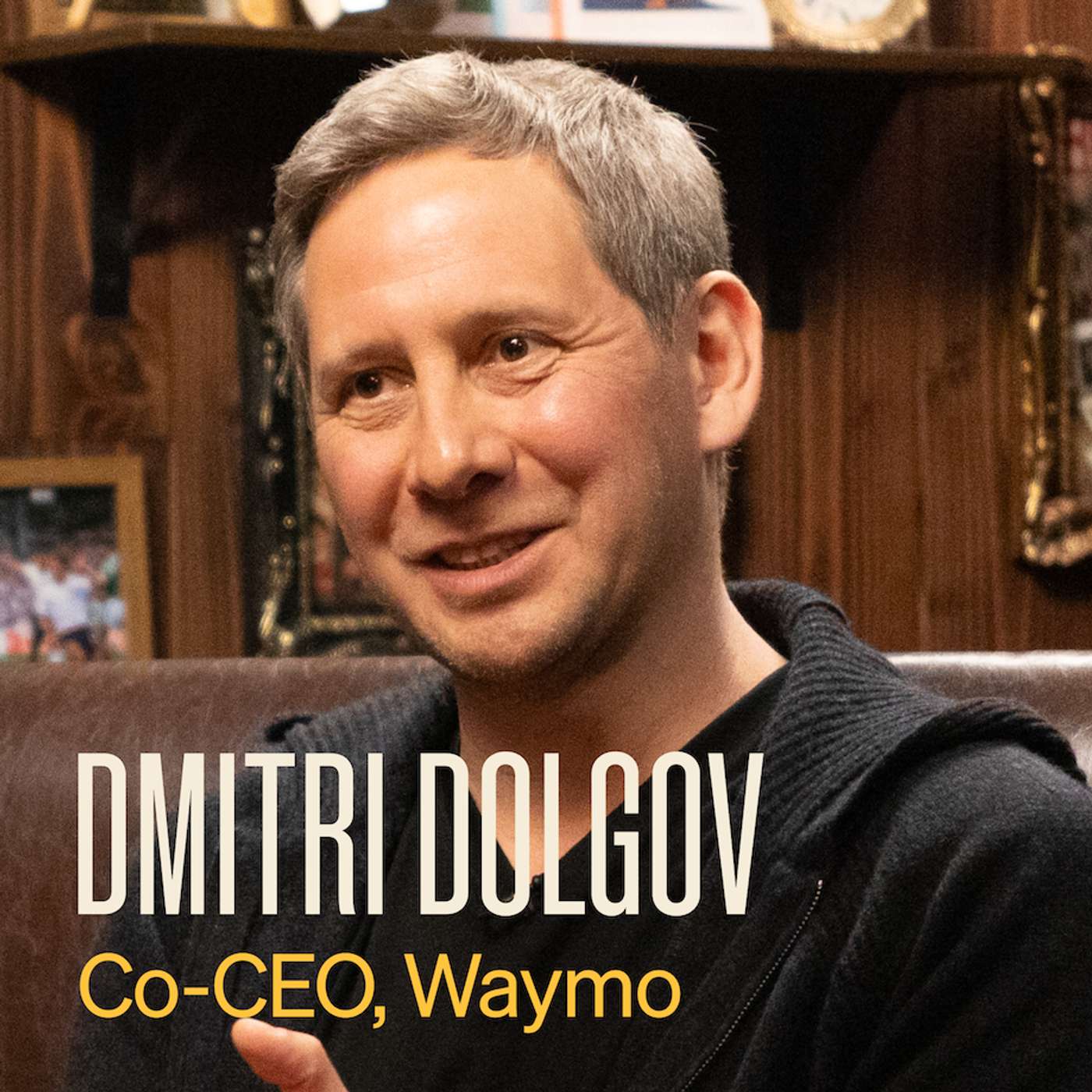
According to its co-CEO, Waymo has moved beyond fundamental research and development. The company believes its core technology is sufficient to handle all aspects of driving. The current work is an engineering challenge of specialization, validation, and data collection for new environments like London, signaling a shift to commercial deployment.
Wave CEO Alex Kendall argues against the integrated models of Tesla (building cars) and Waymo (building fleets). Instead, Wave licenses its AI driver to any automaker or fleet, believing this is the largest and most flexible business model, as it avoids the capex and limitations of a single brand.

Waymo's CEO argues it is a deceptive assumption that Level 2/3 driver-assist systems exist on a continuous spectrum with Level 4/5 full autonomy. The hardest parts of building a 'rider only' system are fundamentally different, requiring a qualitative jump in technology.

Waymo's potential $100B valuation, over 200 times current revenue, is based on more than its robo-taxi service. Investors are betting on future high-margin revenue streams, particularly licensing its autonomous driving software to established automakers. This B2B model is key to justifying a valuation far beyond traditional transportation multiples.
Acknowledging the future impact on driving jobs, Waymo is already investing in initiatives to retrain traditional mechanics for autonomous systems through partners like Bronx Community College. This preemptive action aims to smooth the socio-economic transition their technology will eventually create.
CEO David Risher describes Lyft's autonomous vehicle strategy as "polyamorous." Instead of betting on one technology partner, they are integrating with multiple AV companies like Waymo, May Mobility, and Baidu. This approach positions Lyft as the essential network for any AV provider to access riders, regardless of who builds the best car.