Get your free personalized podcast brief
We scan new podcasts and send you the top 5 insights daily.
Rushdie rejects the idea that violent, global protests against his novel were a sign of literature's influence. Instead, he sees it as a demonstration of how easily crowds who haven't read the source material can be directed by authority figures to attack a target they don't understand.

Related Insights
Rushdie expresses ambiguity about the documentary. While believing it's important, he worries it reinforces the "dark, theological" public narrative he has spent most of his career trying to move past, overshadowing the rest of his extensive literary work.
Historically, authorities misidentify truly transformative ideas. The 16th-century Inquisition obsessively censored minor Protestant theological disputes while ignoring Machiavelli. Later, censors worried more about astrology in *Paradise Lost* than its revolutionary anti-monarchal rhetoric. Censors are poor predictors of which ideas will actually change the world.

Upon seeing the actual footage of his stabbing, Rushdie realized his memory was inaccurate. He had remembered and even written that he saw his attacker approach and stood still, but the film showed he only saw him at the last moment and was actively trying to escape.
Jane Fonda points out that historically, authoritarian regimes always attack artists and educators first. These groups are the "storytellers" who control the cultural narrative and shape how people think and feel. By silencing them, a regime can more easily impose its own version of reality.

The popular perception of Galileo challenging religious dogma has a greater cultural impact than the specific, nuanced arguments in his actual writings. A book's power can derive from what people believe it represents, even if they've never read it or misunderstand its contents.
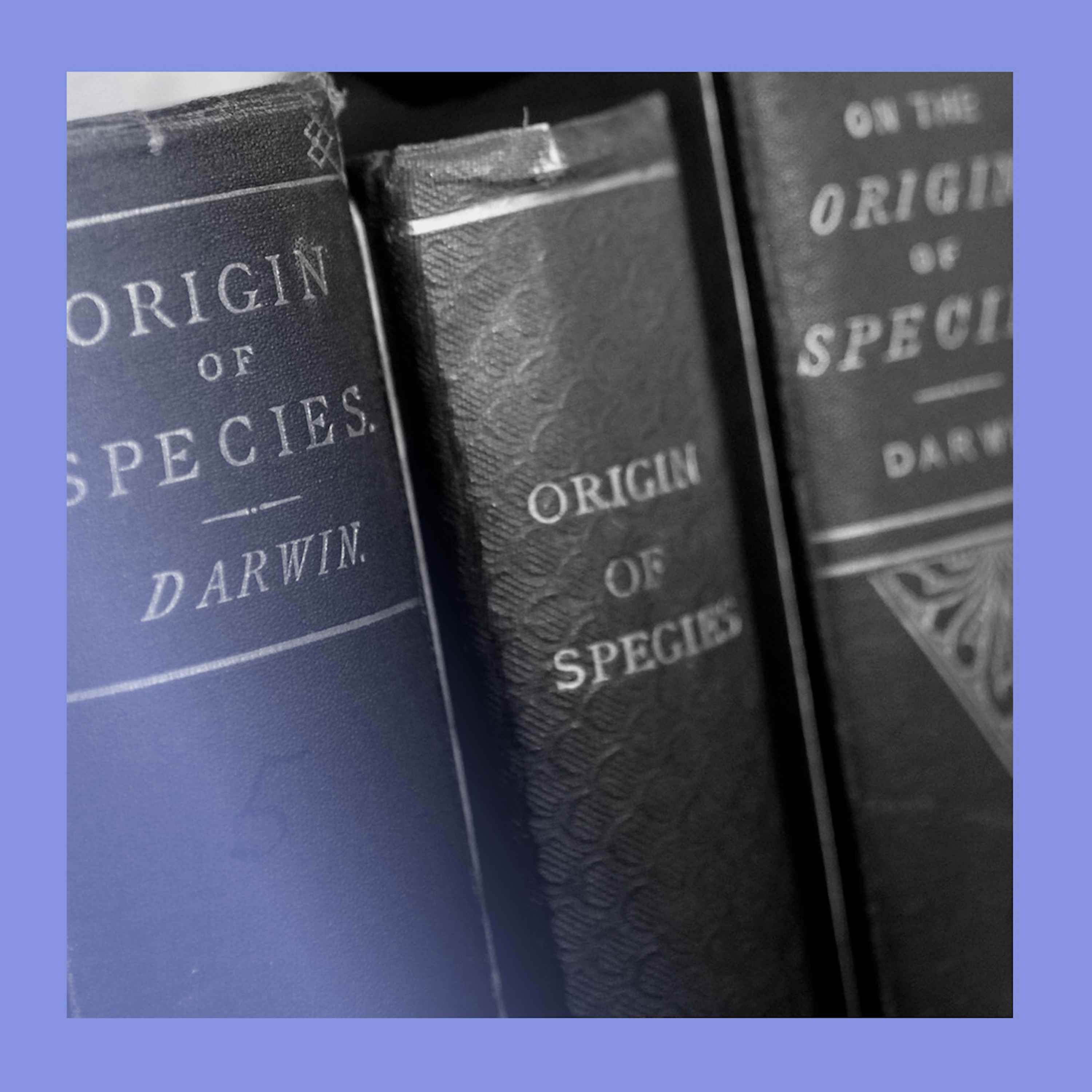
Contrary to the belief that banning a book increases its sales (the Streisand effect), the current wave of book bans is successfully creating a chilling effect. This leads to decreased sales and access for authors, particularly those from marginalized groups.

Rushdie contends that when progressives advocate for censoring speech they disapprove of, they weaken their moral standing to defend other forms of expression, like political satire. This internal contradiction makes it harder to argue against authoritarian censorship, as the principle of free speech is applied inconsistently.
Despite having intimate, personal footage of his recovery, Rushdie and his wife sought an external director. They recognized their proximity to the traumatic events prevented them from having the objective perspective needed to shape a compelling narrative for a wider audience.
Before the fatwa, Rushdie engaged in public debates with critics, which he considered valuable intellectual conversations. He notes the death threat "changed the subject" entirely, cutting off a serious discussion about the book and replacing it with one about murder and international terrorism.
Salman Rushdie posits that humor is more than just entertainment; it is a potent tool against oppression. He observes that dictators and narrow-minded individuals are characteristically humorless and that satire can provoke them more effectively than direct criticism, making it a crucial element in the struggle for free expression.