Get your free personalized podcast brief
We scan new podcasts and send you the top 5 insights daily.
By partnering with local ice cream brands to offer an 'a la mode' option, Levain Cookies turned a simple add-on into a revenue multiplier. The strategy solves seasonality, increases customer visits, raises average order value, and creates new post-dinner usage occasions.

Related Insights
By selling premium slices for $5-$6, restaurants generate more revenue per pizza than if sold whole. Simultaneously, consumers perceive a two-slice meal as a high-value $10-$12 lunch in an inflationary economy. This product strategy creates a rare win-win for both the business and the customer.

Instead of relying on expensive in-store demos, Pistakio partners with food service businesses. This lets customers try the product in a low-cost, familiar context, like a latte topping, before committing to a full-size jar, acting as a scalable, risk-free trial.

Instead of using aggressive pop-ups, Shake Shack boosts order value by removing default selections on its kiosks. Forcing customers to make an active choice (e.g., single, double, or triple patty) bypasses inertia and leads them to upgrade their orders naturally, without feeling pressured.

The founders opened a coffee shop next to their store not primarily for profit, but to increase customer dwell time. The goal is to keep people in their 'community hub' longer, encouraging them to browse and spend more in the main store. The cafe functions as a strategic retention tool, fostering a synergistic loop.

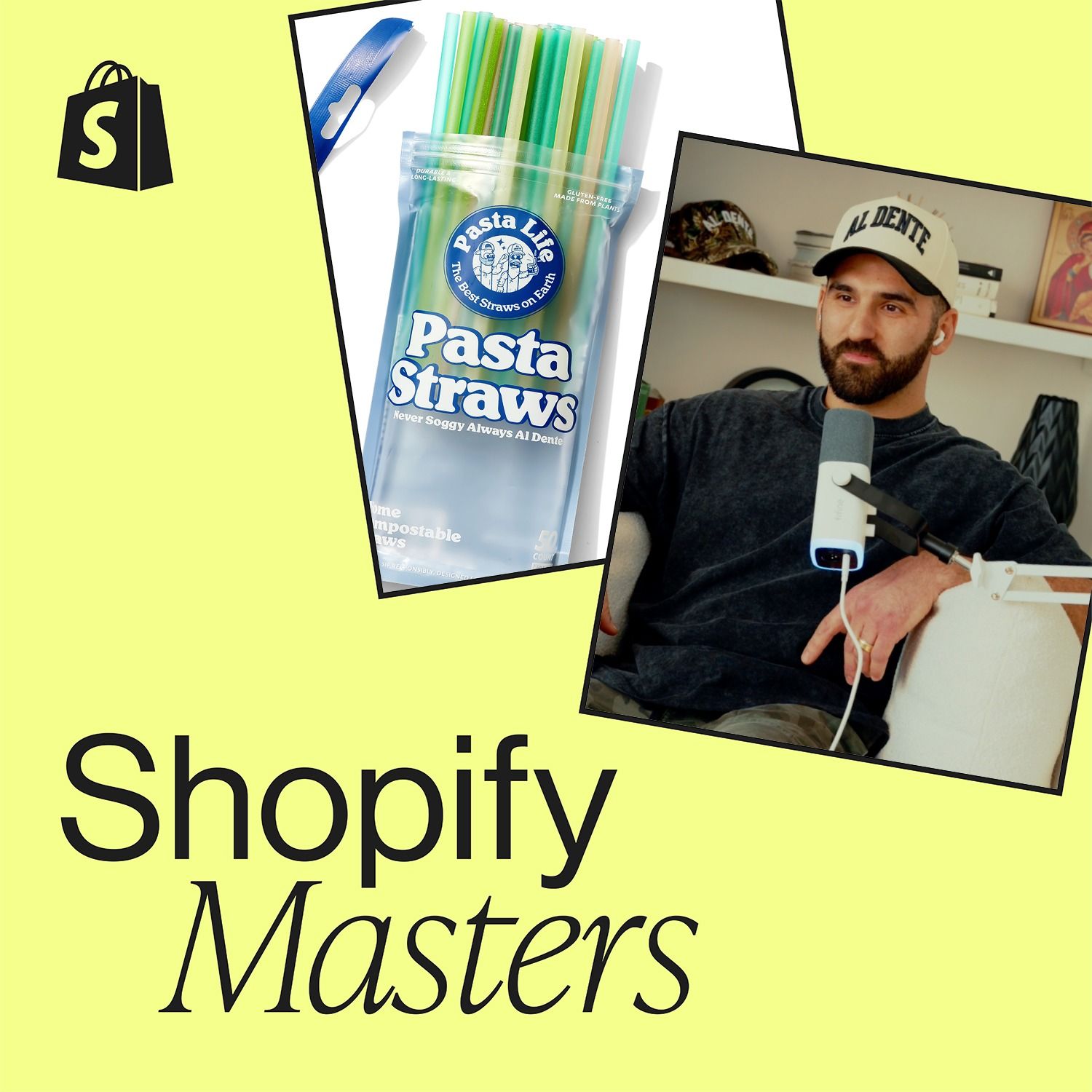
The brand bundles its low-cost pasta straws with higher-margin merchandise. The merch, featured in viral social media videos, acts as an entry point to draw customers into the brand ecosystem. This bundling strategy increases average order value and makes the core product an attractive add-on.
The fastest way to increase revenue and profit during a recession is by creating new, irresistible offers for existing customers. They already know and trust you, which eliminates customer acquisition costs and dramatically improves profit margins compared to chasing new leads.

To find new revenue streams, analyze what your customer does immediately before and after interacting with your product. A gym could sell apparel (before) or smoothies (after). This "share of wallet" strategy increases lifetime value without acquiring new customers.

The ice cream chain maintains high customer engagement by pairing a predictable release schedule (five new flavors every month) with unpredictable products (like bug-flavored ice cream). This model, similar to Netflix's content drops, creates recurring curiosity and transforms product launches into a reliable retention tool.
By launching a high-protein, low-sugar ice cream, David Protein aims to expand consumption beyond dessert into new "occasions" like breakfast or a post-workout meal. This strategy focuses on capturing new "tummy share" by changing when a product is consumed, rather than just launching a new flavor.
Counter-intuitively, for price-sensitive markets, decreasing average order value (AOV) is a key growth lever. A lower entry price point unlocks a larger segment of the population, increasing transaction frequency, building habits, and ultimately driving higher lifetime value.