Get your free personalized podcast brief
We scan new podcasts and send you the top 5 insights daily.
Sonic branding requires holistic design thinking across an organization rather than simply bolting music onto a completed visual ad. Brands should harmonize auditory elements across packaging crunch, in-store environments, customer service hold lines, and multi-channel campaigns. Sonic coherence across touchpoints builds enduring brand familiarity.

Related Insights
Audiences drop off rapidly across digital media, making immediate brand identification critical. Research indicates that incorporating sonic logos, brand mentions, or distinct character voices in the first few seconds establishes immediate mental fluency. Early branding guarantees an impression is registered even if a listener skips the ad.
To build an enduring company, ensure every customer interaction—from packaging tape to email pop-ups—reflects the quality of a major brand. This consistency across all touchpoints is what separates long-lasting brands from those that fade away after a short trend cycle.

Every brand interaction—an ad, in-store packaging, a social media post—is a single 'dot.' Over time, these dots must form a cohesive image. Consistency across all touchpoints, not just campaigns, is what builds brand value and pricing power.
Coming from television, the founders treat their brand like a TV show, ensuring every 'frame'—from the store's interior design to social media posts and the website—is cohesive. This production mindset is key to maintaining a consistent brand identity across all customer touchpoints, a lesson directly transferable from creative media.
The most powerful audio ads don't just describe a product; they use sound to evoke a sensory experience. As with Coca-Cola's classic ad featuring a can opening and pouring over ice, specific sounds can create a vivid mental picture, making visuals unnecessary.

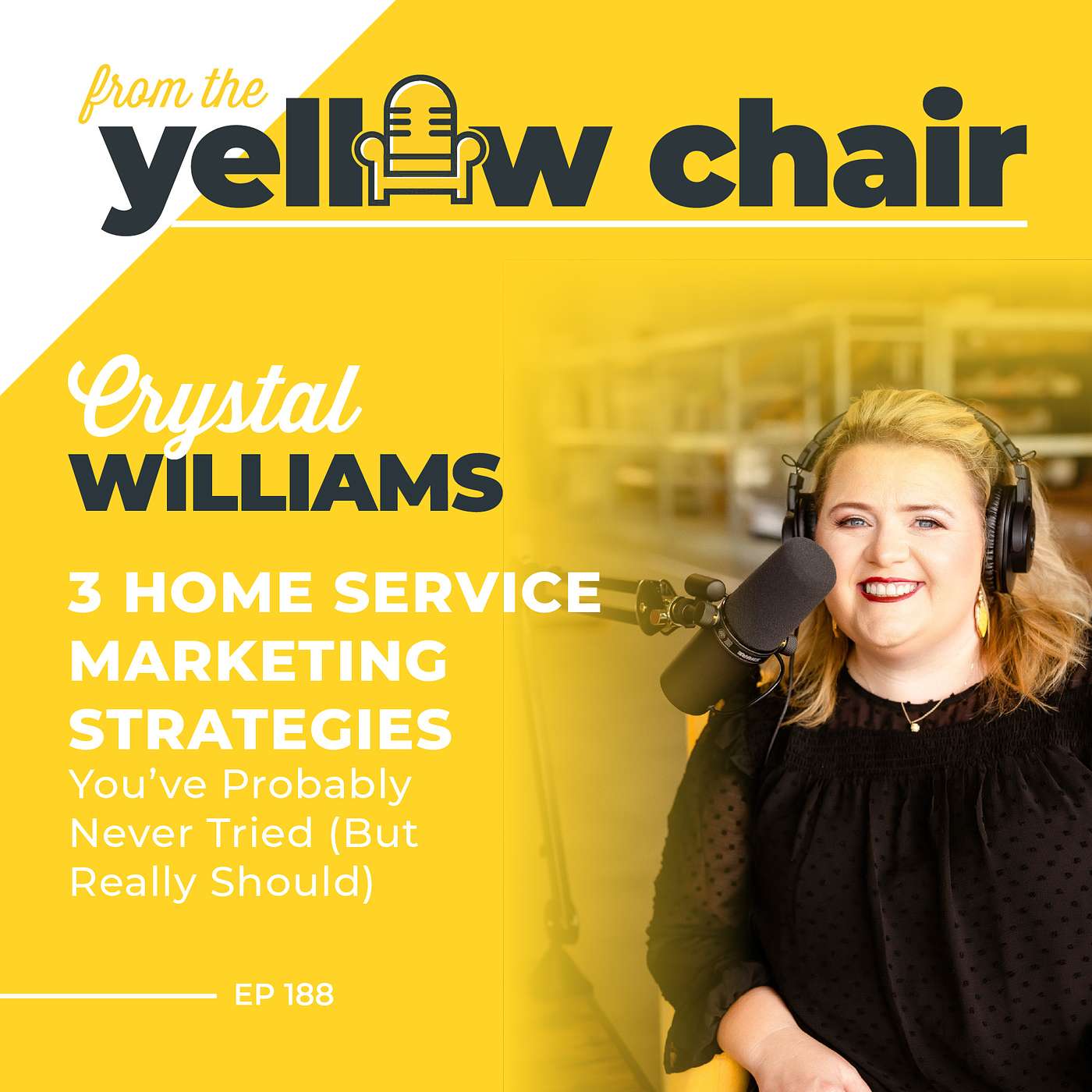
During slower business periods, audit every customer-facing brand touchpoint, not just marketing assets. This includes truck wraps, staff uniforms, on-hold music, and email signatures. This is the ideal time to identify brand inconsistencies and create an actionable plan for fixes when your team has more capacity.
A study found that while only 30% of people actively watch TV ads, 70% can recall what they heard. This underscores the immense power of sonic branding, like jingles and sound devices, to capture attention and build memory even in a distracted environment.

While consumer brands use jingles effectively, virtually no B2B companies leverage sound. This includes not just ads, but also product notification sounds, event music, or podcast intros—all scientifically proven ways to build memory structures.

Ipsos research across 2,000 ads revealed that while 92% of brand assets were visual logos, sonic logos were eight and a half times more likely to produce memory and salience. Visual logos hardly registered in comparison. Marketers frequently neglect audio assets despite their outsized impact on recall.
Eleven Labs, an AI audio company, justifies hiring a specialist sound designer by arguing they must lead in all aspects of audio. Their sonic branding isn't just background music; it's a complex, composed system, reflecting their product's core competency and creating a key differentiator.