Get your free personalized podcast brief
We scan new podcasts and send you the top 5 insights daily.
A startup journey mirrors a five-day test match: a long grind with an uncertain outcome. Instead of focusing on the distant victory, concentrate on "winning" small, discrete blocks of time, knowing that these small wins accumulate into a decisive result.

Related Insights
Success requires a paradoxical mindset: commit to a long-term vision (e.g., a decade) while being relentlessly consistent with daily actions. Compounding only works over long time horizons, so outlast competitors by sticking to the process for the 'thousand days' it takes to see exponential growth.

Sustainable growth requires marrying long-term patience with short-term impatience. A grand 10-year vision provides the "serotonin" of purpose, but consistent, 3-month achievements deliver the "dopamine" of progress. This dual focus keeps teams motivated and ensures the long-term plan is grounded in real-world execution.
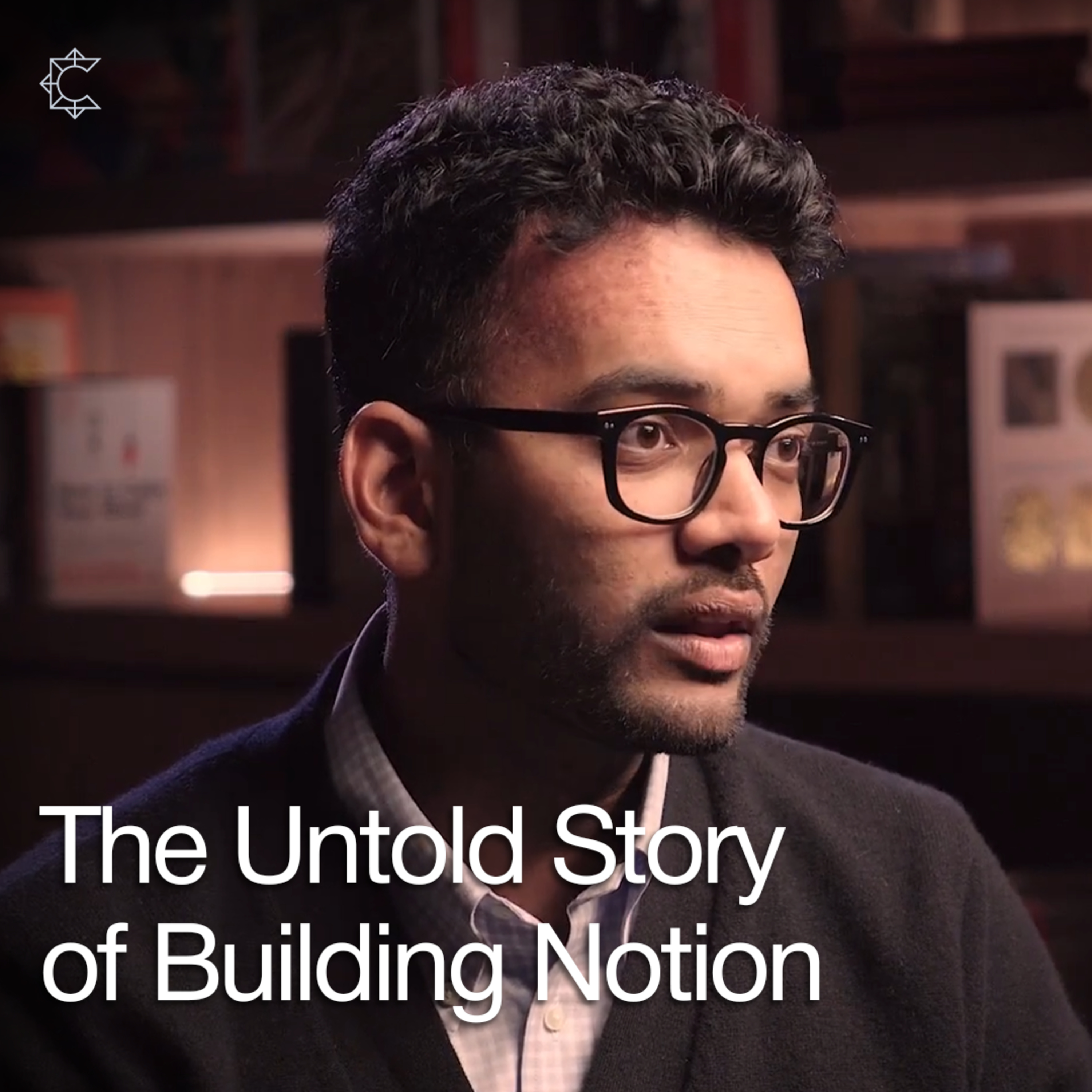
Conventional wisdom to 'stay focused' is flawed. Breakthrough growth often comes from making many small, exploratory bets. YipitData's success wasn't from perfecting one thing, but from the one small, tangential bet each year that drove 90% of the growth while others failed.

Businesses should focus on creating repeatable, scalable systems for daily operations rather than fixating on lagging indicators like closed deals. By refining the process—how you qualify leads, run meetings, and follow up—you build predictability and rely on strong habits, not just individual 'heroes'.
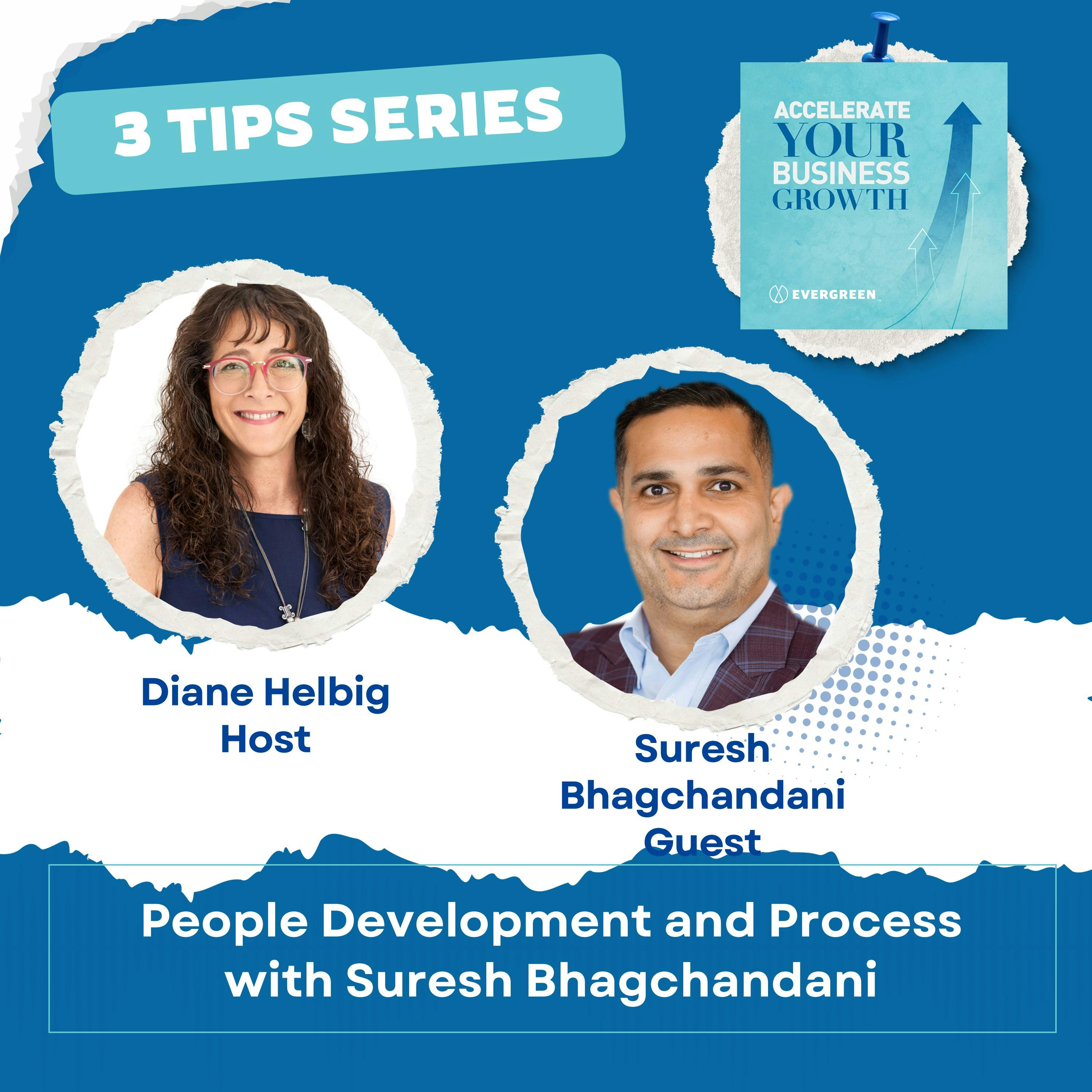
The essence of the entrepreneurial journey is the ability to tolerate immense uncertainty and fear over long periods. It involves working for months or years with little visible progress, making high-stakes decisions with limited information, and shouldering the responsibility for others' livelihoods. This psychological endurance is the ultimate differentiator.

The vast majority of people abandon new initiatives—podcasts, courses, newsletters—within months. By maintaining consistency long after the initial excitement fades, you gain a significant competitive advantage over more talented but less persistent peers. Your superpower is endurance.

Aspiring founders often stall while waiting for a perfect idea. The most effective strategy is to simply pick a decent idea and build it. Each project, even a 'losing' one, provides crucial learnings that bring you closer to your eventual successful venture.

While moats like network effects and brand develop over time, the only sustainable advantage an early-stage startup has is its iteration speed. The ability to quickly cycle through ideas, build MVPs, and gather feedback is the fundamental driver of success before achieving scale.

Success isn't about working nonstop. Matt Mullenweg argues that an entire year's outcome hinges on a few crucial moments—a key decision, a critical meeting, or a pivotal partnership. The wisdom brought to these 15-20 hours is what truly matters, not the total volume of work.

The search for a single, game-changing feature is often a myth. As demonstrated by Twitter/X's recent growth, true momentum comes from the cumulative effect of hundreds of small, iterative improvements. Success is an aggregation of marginal gains, not a single home run.