Get your free personalized podcast brief
We scan new podcasts and send you the top 5 insights daily.
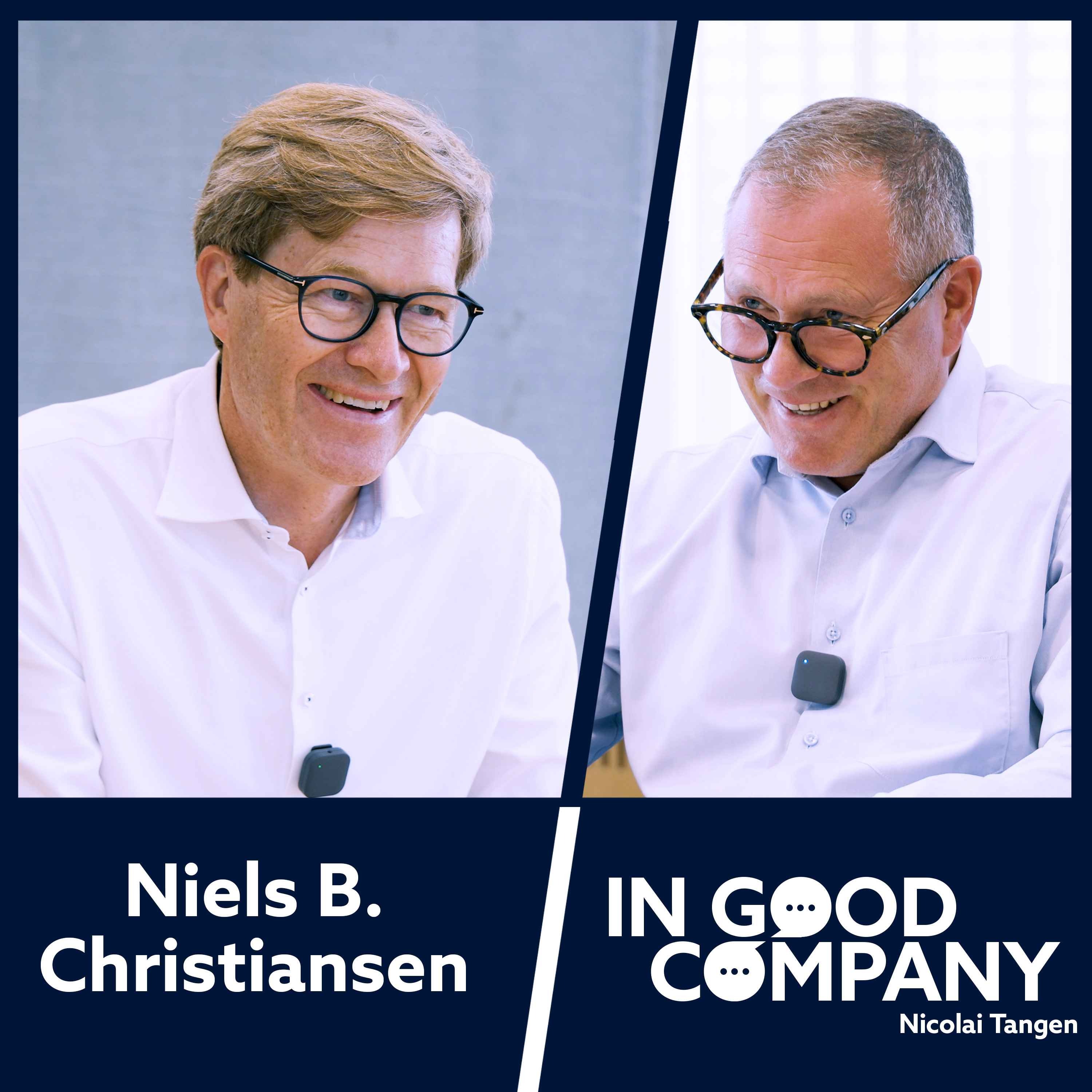
LEGO's CEO has settled on a four-year strategic planning cycle as the ideal cadence. He finds three-year plans create a constant sense of urgency, while five-year plans feel too abstract. A four-year horizon is long enough to execute major initiatives but short enough to remain tangible and relevant.
Related Insights
The tension between growth and profitability is best resolved by understanding your product's "runway" (be it 6 months or 6 years). This single piece of information, often misaligned between teams and leadership, should dictate your strategic focus. The key task is to uncover this true runway.
Lego maintains relevance by replacing over 400 products each year. Their structured creative process blends internal ideas with external cultural trends, leveraging partnerships with major IPs like Star Wars for early insights. This ensures their product roadmap aligns with what will capture kids' future attention.

The complexity of long-term estate and succession planning often leads to indefinite postponement. A more effective approach is to create a plan based on the business's current state and set a recurring calendar reminder to review and update it every two years.

LEGO maintains its market leadership by replacing half of its product portfolio—around 450 products—every single year. This aggressive renewal cycle forces the company to stay deeply connected to current trends and continuously innovate, ensuring they are "no better than the creativity we are coming out with right now."
To avoid being too futuristic or too incremental, Cisco's innovation arm manages its ventures across two axes: technology risk and time horizon (from 6 months to 5 years). This portfolio approach ensures a mix of near-term value and long-term strategic bets.

Large goals are paralyzing without a clear path. Instruct an AI to take your five-year vision and break it down into a logical sequence of yearly, quarterly, and weekly milestones. This ensures you do the right things in the right order, preventing wasted effort and making the goal approachable.

Pursuing huge, multi-year goals creates a constant anxiety of not doing "enough." To combat this, break the grand vision into smaller, concrete milestones (e.g., "what does a win look like in 12 months?"). This makes progress measurable and shifts the guiding question from the paralyzing "Am I doing enough?" to the strategic "Is my work aligned with the long-term goal?"
Despite high demand, LEGO's CEO views ~15% annual growth as the sustainable maximum. Because LEGO manufactures its own products, faster growth would strain its ability to build new factories and distribution centers, introducing unacceptable complexity and delivery risks into the operating model.
To avoid bureaucratic slowdown, LEGO's CEO broke his leadership team into smaller, empowered subgroups like a "commercial triangle" (CCO, COO, CMO). These groups handle operational decisions, only escalating disagreements. This has cut full executive meetings to just one hour a month plus quarterly strategy sessions.
Balance a multi-decade company vision with an intense, minute-by-minute focus on daily execution. This dual cadence keeps the long-term goal in sight while ensuring relentless forward progress, creating a culture of both ambition and urgency.
