Get your free personalized podcast brief
We scan new podcasts and send you the top 5 insights daily.
Kaspi's journey from a conventional retail bank to a dominant tech super app in Kazakhstan was catalyzed by its pre-existing banking license—a valuable and difficult-to-obtain asset in a developing financial market that gave it a unique starting advantage.

Related Insights
To enter Brazil's highly protected banking sector, Nubank employed a patient, two-track strategy. They launched a credit card for immediate market entry while simultaneously spending four years navigating complex politics to obtain a full banking license, which required a presidential decree to bypass constitutional restrictions on foreign ownership.

Fintech infrastructure company Column bought a bank to gain a unique regulatory advantage. This allows them to build products that non-bank competitors cannot, by handling all backend complexity with the Federal Reserve and card networks for clients like Ramp and Brex.
![William Hockey - Building the Operating System for the Dollar and Silicon Valley Heresy - [Invest Like the Best, EP.463] thumbnail](https://megaphone.imgix.net/podcasts/fafd11c6-2198-11f1-9f4c-331b7fdffb5f/image/c8ee4ccf34b48dd3ef4ded6a34c1f70c.jpg?ixlib=rails-4.3.1&max-w=3000&max-h=3000&fit=crop&auto=format,compress)
Wise bypasses SWIFT by obtaining "direct connections" to a country's domestic banking system, a license rarely given to non-banks. This process is arduous, taking five years in the UK, creating a significant barrier to entry for competitors.

Consumers in markets like Kazakhstan adopt new technologies more rapidly than in the US or Europe. With fewer legacy systems and entrenched habits to change, the adoption curve for new digital services is significantly steeper and faster.
Kaspi has integrated itself into the fabric of daily life in Kazakhstan, going beyond commerce and payments to include essential government services like tax filing, car registration, and even marriage applications. This deep entrenchment creates a powerful moat.
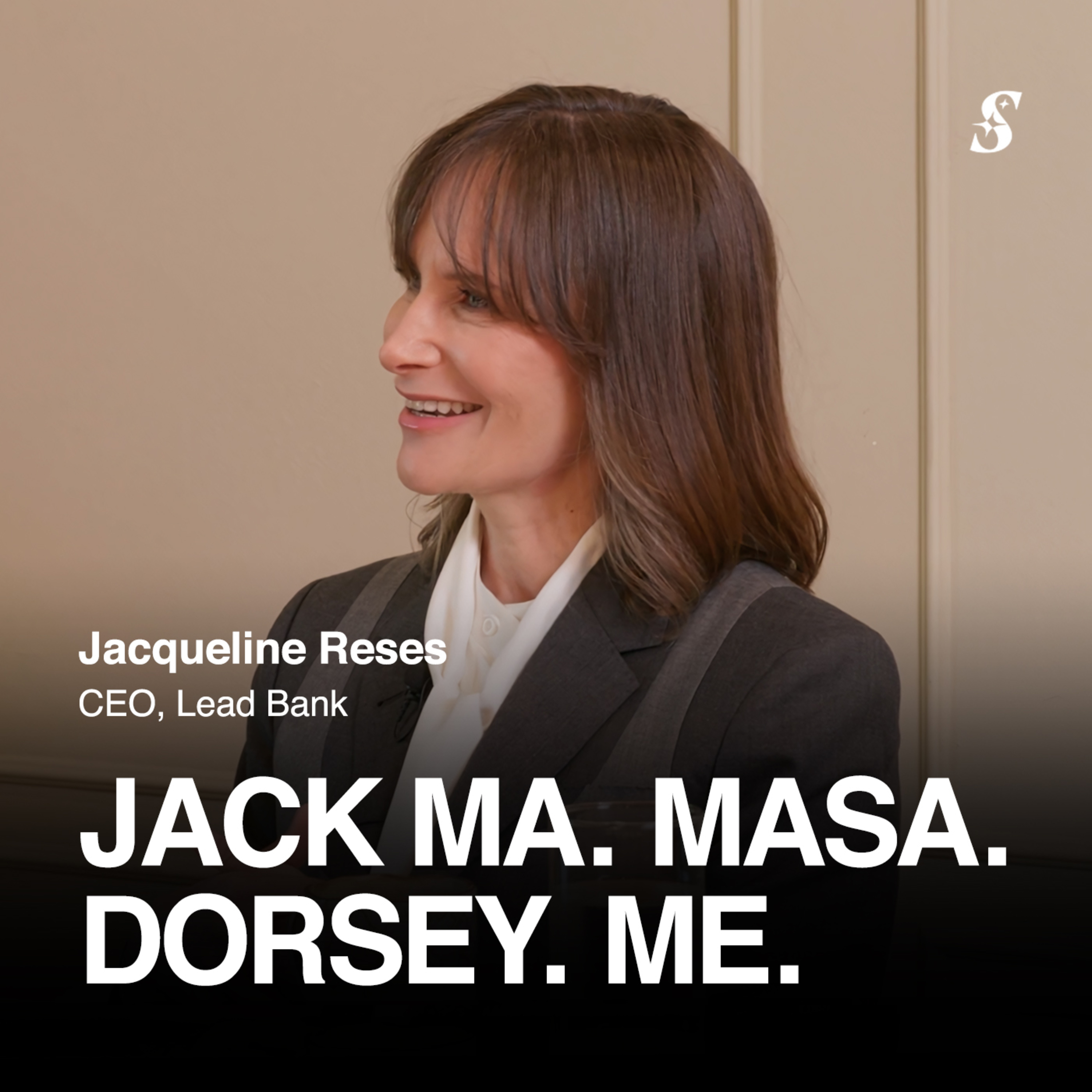
Frustrated by the inadequate infrastructure of partner banks while at Square, Jackie Reses founded LeadBank by acquiring a 100-year-old community bank. This strategy allowed her to own the core banking charter and licenses, enabling her to rebuild the technical infrastructure from scratch for modern fintech needs.
By leveraging a complete financial picture of its users—income, spending, bill payments, and government data—Kaspi's super app can approve 99.9% of loan applications automatically in under six seconds with impressively low default rates.
While partnering with banks is essential for launching a fintech, at a certain scale, obtaining a direct banking charter is crucial. It provides direct regulatory relationships, greater control over product development, and a better customer experience, as Mercury Bank is pursuing.
Slash's CEO explains that stablecoins are a game-changer for international expansion. They allow a U.S.-based fintech to provide USD banking services to businesses globally, bypassing the slow and expensive process of securing licenses in each country. This creates a path for fintechs to become global from the start.

To avoid premature scaling, Nubank required three conditions before entering a new country: 1) Profitability in its core market (Brazil), 2) Secure banking licenses and funding, and 3) A tech platform that could launch a new market as a "call option," not an "all-in" bet.