Get your free personalized podcast brief
We scan new podcasts and send you the top 5 insights daily.
To avoid over-concentration in mega-caps, the Founders 100 ETF caps any single stock at 7.5% during quarterly rebalancing. This modified market cap approach ensures a long tail of smaller positions can still drive overall portfolio performance, especially on days when the largest holdings are down.

Related Insights
While equal-weighting avoids concentration risk, it's not a perfect solution. When applied to an index like the S&P 500, it still only includes companies that have already grown large enough to qualify, inheriting a bias towards higher-multiple stocks and excluding deep value opportunities.
Many investors wrongly equate high conviction with making a large initial investment. A more evolved approach is to start with smaller at-cost positions, allowing a company's performance to earn its eventual large weighting in the portfolio. This mitigates risk and improves decision-making.

The firm found that positions growing beyond 8% of the portfolio did not add enough value to justify the increased concentration risk. This disciplined approach prevents overconfidence in single ideas from jeopardizing overall fund performance.
Terry Smith criticizes UCITS regulations that impose a hard 10% cap on any single stock holding. This rule forces him to sell his best-performing stocks simply because they have appreciated, which he views as counterproductive and unfriendly to investors. He feels 'worried that my biggest stocks will perform well'.

To manage the perceived risk of a highly concentrated fund, Mohnish Pabrai advises investors to size their position appropriately relative to their total net worth. By recommending investors allocate less than 20% of their wealth to his funds, a single stock representing 50% of the fund becomes a more manageable 10% of the investor's total assets.
Instead of using current market-cap weightings, a "forward cap" strategy allocates capital based on extrapolated macroeconomic trends. This means overweighting a sector like tech based on its projected future dominance, essentially "skating to where the puck is going."

When markets are top-heavy and expensive, like in 2000, the concentration risk of market-cap weighting is severe. In the 13 years after the dot-com peak, while the S&P 500 went nowhere, its equal-weighted version doubled, highlighting a powerful de-risking strategy.
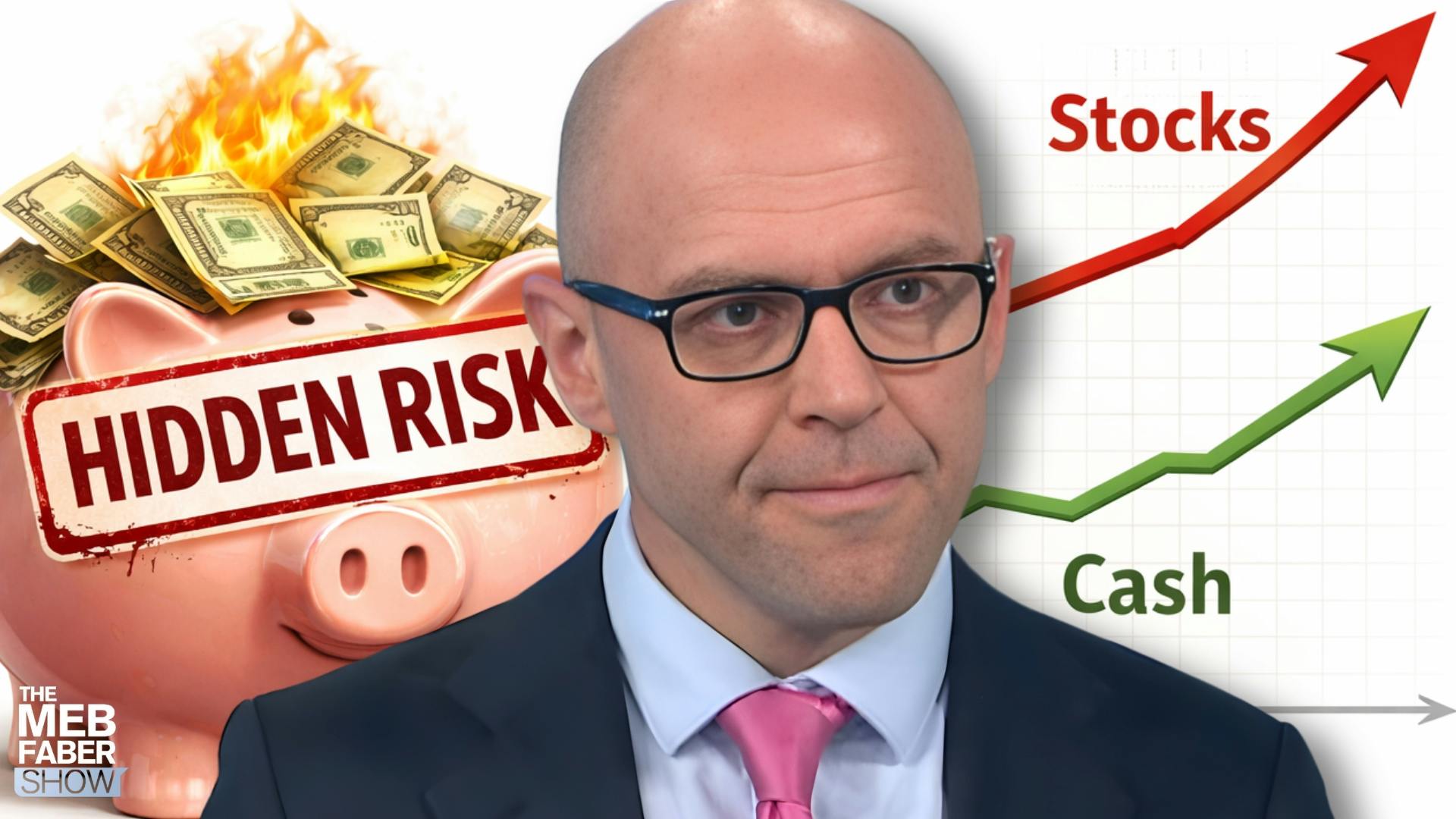
By design, market capitalization-weighted indices increase allocations to assets as their prices rise. This forces investors to continuously buy more of what has already performed well, leading to concentration in popular, often expensive, assets and sectors from the previous market cycle.

A powerful risk management technique is setting a maximum percentage of your portfolio that can be invested in a single stock *at cost*. A 5% at-cost limit means once you've invested 5% of your capital, you cannot add more, even if the stock price plummets and its market value shrinks. This prevents chasing losers.

Since 2020, even top-quartile stock pickers have faced extreme drawdowns with concentrated portfolios. A more diversified approach, holding more names than usual (e.g., 50-75 stocks for an institutional manager), has proven superior for mitigating risk and achieving better performance.
