Get your free personalized podcast brief
We scan new podcasts and send you the top 5 insights daily.
Many apps, like WhatsApp, encrypt message content but still collect revealing metadata (contacts, communication patterns). Signal's President Meredith Whittaker contrasts this with their comprehensive encryption, which protects this metadata, offering true privacy rather than just the appearance of it.

Related Insights
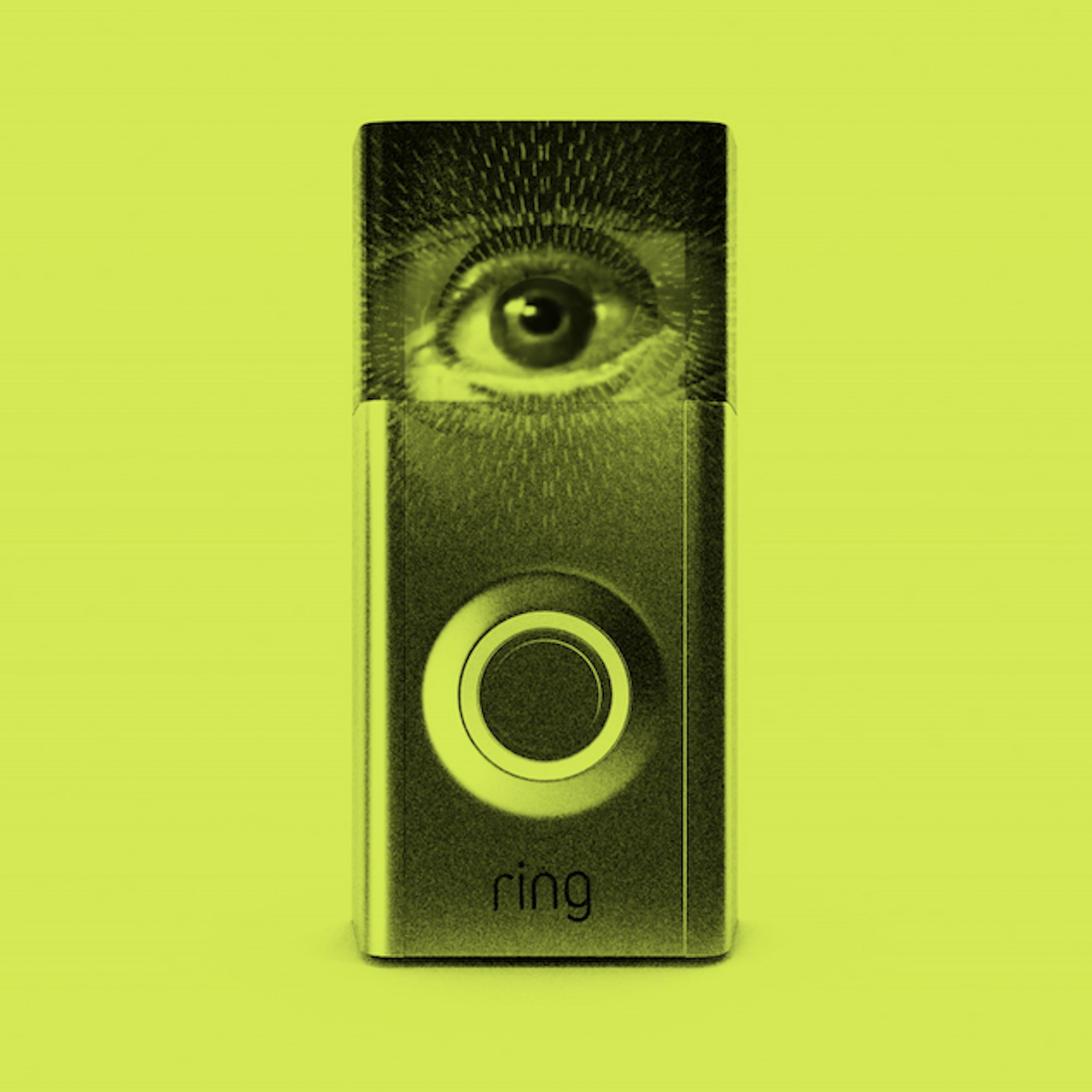
Ring's founder deflects privacy concerns about his company's powerful surveillance network by repeatedly highlighting that each user has absolute control over their own video. This 'decentralized control' narrative frames the system as a collection of individual choices, sidestepping questions about the network's immense aggregate power.
Signal President Meredith Whittaker warns that OS-integrated AI agents require pervasive access to data (calendars, messages, files). This creates a massive security vulnerability, allowing attackers to bypass strong, application-specific encryption by simply exploiting the agent's broad permissions.
Meredith Whittaker argues the mathematics of encryption mean it must work for everyone or it works for no one. A backdoor created for law enforcement isn't a selective key; it's a fundamental flaw that breaks the encryption entirely, making the system vulnerable to all malicious actors as well.
Enabling third-party apps within ChatGPT creates a significant data privacy risk. By connecting an app, users grant it access to account data, including past conversations and memories. This hidden data exchange is crucial for businesses to understand before enabling these integrations organization-wide.

Countering the idea that users trade privacy for utility, Meredith Whittaker argues the trade-off is for a more fundamental human need: inclusion. People use insecure platforms not just for convenience, but because that is where social life happens. Opting out means choosing isolation, making it a coerced choice.
The app solves a clear pain point (messaging overload) to gain access to a rich stream of personal data, which will fuel a larger vision of an AI layer that proactively assists users across all tasks.

People use chatbots as confidants for their most private thoughts, from relationship troubles to suicidal ideation. The resulting logs are often more intimate than text messages or camera rolls, creating a new, highly sensitive category of personal data that most users and parents don't think to protect.

Users are sharing highly sensitive information with AI chatbots, similar to how people treated email in its infancy. This data is stored, creating a ticking time bomb for privacy breaches, lawsuits, and scandals, much like the "e-discovery" issues that later plagued email communications.

By running AI models directly on the user's device, the app can generate replies and analyze messages without sending sensitive personal data to the cloud, addressing major privacy concerns.
Unlike encryption which can be broken, VEIL's "informationally compressive anonymization" (ICA) permanently destroys sensitive information while preserving its predictive value. This approach reduces data size and is inherently quantum-resilient because the original information no longer exists to be stolen or decrypted by future computers.