Get your free personalized podcast brief
We scan new podcasts and send you the top 5 insights daily.
To combat having Europe's deadliest roads, Belgium introduced a mandatory theory test in 1969. The accident rate among theory-tested drivers then rose by 32% compared to those with no training. A leading theory is that passing the test gave drivers a false sense of confidence, making them more dangerous.

Related Insights
After proving its robo-taxis are 90% safer than human drivers, Waymo is now making them more "confidently assertive" to better navigate real-world traffic. This counter-intuitive shift from passive safety to calculated aggression is a necessary step to improve efficiency and reduce delays, highlighting the trade-offs required for autonomous vehicle integration.

By over-indexing on standardized tests, the education system teaches that every problem has a single correct answer held by an authority. This creates graduates who excel at logic problems but lack the common sense and initiative to solve ambiguous "life problems."

Mandated safety tech, like a pre-drive alcohol lockout, can create dangerous situations in emergencies. A person needing to escape a tsunami after a couple of drinks would be blocked by their car, demonstrating the system's inability to handle critical nuance.
Many on the Titanic delayed evacuating because its nearly identical sister ship, the Olympic, had survived a similar hull puncture months earlier. This past success created a false sense of security and normalcy bias, leading people to underestimate the immediate danger.

In an effort to increase driver supply, major trucking companies supported deregulation that enabled 'CDL mills' to issue licenses with minimal training. This flooded the market, destroying their own pricing power and contributing to a 40% rise in fatal accidents.
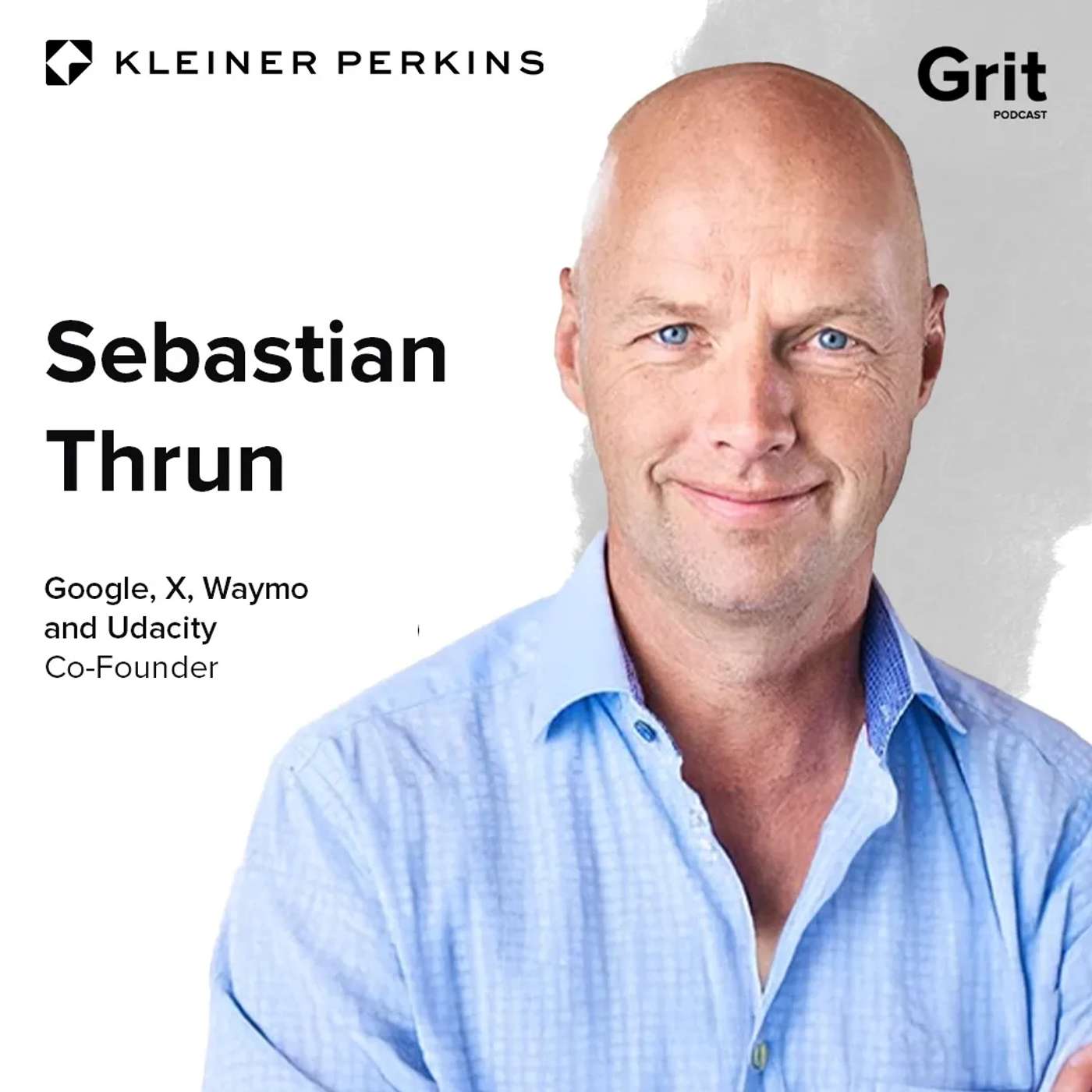
Early self-driving cars were too cautious, becoming hazards on the road. By strictly adhering to the speed limit or being too polite at intersections, they disrupted traffic flow. Waymo learned its cars must drive assertively, even "aggressively," to safely integrate with human drivers.
A policy at Stanford offering advantages like extra time for disabled students has resulted in half the student body claiming disability status. This illustrates how well-intentioned policies can create perverse incentives that undermine meritocracy.

We accept 40,000 annual US traffic deaths as a cost of convenience, yet a policy change like lowering speed limits could save thousands of lives. This reveals a deep inconsistency in our moral framework: we are apathetic to large-scale, statistical risks but would be horrified by a single, identifiable act causing a fraction of the harm. The lack of an identifiable victim neutralizes our moral intuition.
A technology like Waymo's self-driving cars could be statistically safer than human drivers yet still be rejected by the public. Society is unwilling to accept thousands of deaths directly caused by a single corporate algorithm, even if it represents a net improvement over the chaotic, decentralized risk of human drivers.

While driven by data and algorithms, effective traffic engineering is fundamentally about understanding and shaping human behavior. Small physical changes, like moving a painted line by six inches, can alter driving speeds and actions more than a complex equation, making it as much an art as a science.