Get your free personalized podcast brief
We scan new podcasts and send you the top 5 insights daily.
Willink's key insight is that mentally "stepping back" from a situation, whether a combat scenario or a business meeting, is a superpower. This detachment expands your field of view beyond the immediate chaos, allowing you to see the overall picture and identify the best course of action.

Related Insights
Detachment isn't just a thought process; it can be physically initiated. Willink advises simple mechanical actions: literally push your chair back from a table, take a deep breath before speaking, and lift your chin. These physical shifts help break emotional cycles and create mental space.
To overcome a difficult task, create psychological distance by asking what an admired character or person would do (e.g., 'What would Batman do?'). This shifts your perspective from a first-person struggle to a third-person problem, activating a more capable mental framework and improving performance.

Top performers often exist in a state of constant calculation. The key to sustainable excellence is learning to consciously switch between being 'on the field' (strategizing) and 'off the field' (being present). Deliberately switching off sharpens focus and makes you more effective when you are back 'on'.
![Ari Emanuel - The Anti-AI Bet - [Invest Like the Best, EP.448] thumbnail](https://megaphone.imgix.net/podcasts/c5910280-c4dd-11f0-94be-ab6a7a5865b0/image/1e5a2263eb62fcde200846919e24419a.jpg?ixlib=rails-4.3.1&max-w=3000&max-h=3000&fit=crop&auto=format,compress)
The goal isn't to permanently erase a belief like "I can't make a mistake," as it is vital in high-stakes situations. Instead, adaptable leaders develop a portfolio of different mindsets. This allows them to consciously select the most effective belief for any given context, turning mental flexibility into a superpower.
True leadership strength isn't about being the loudest voice. It's the 'quiet edge'—the ability to maintain physiological composure and emotional mastery amidst chaos. This allows for thoughtful responses instead of knee-jerk reactions, leading to better decisions under pressure.

Fear often governs professional behavior, making it impossible to achieve the detached mindset required for top performance. The act of simply naming and admitting a fear—to yourself or a coach—can release its hold and restore the energy needed to act freely.

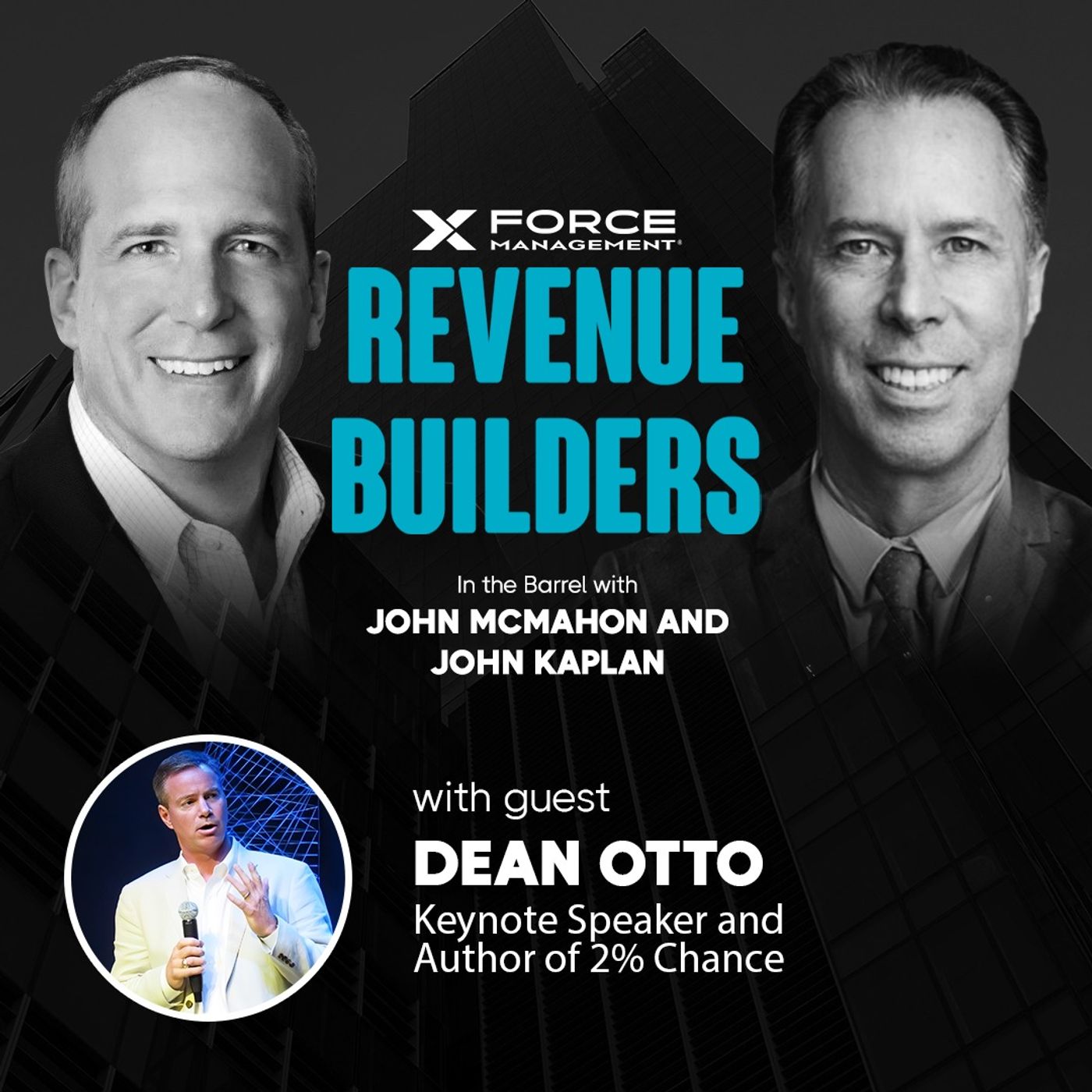
In crises, focus only on what's inside an imaginary "hula hoop" around you: your attitude and your actions. Surrender the outcome to external forces. This mental model, used by endurance athlete Dean Otto when paralyzed, prevents overwhelm and allows for clear-headed decision-making when stakes are highest.
Techniques like visualization are not just for coping with trauma. They are the same high-performance tools used by elite athletes and performers. This shows that survival skills can be directly repurposed for achieving excellence, bridging the gap between coping and performing.

During moments of intense conflict or pressure, consciously shift your focus from your immediate emotional reaction to what the situation can teach you. Feelings can lead to long-term resentment, whereas lessons learned provide lasting power and perspective, enabling better decision-making under stress.

Under pressure, we default to fight, flight, freeze, or befriend. To make better choices, leaders should consciously consider four alternative pathways: Lean In (actively engage), Lean Back (be objective and rational), Lean With (connect and nurture), and Don't Lean (intentionally do not react). This builds strategic flexibility in high-stakes moments.
