Get your free personalized podcast brief
We scan new podcasts and send you the top 5 insights daily.
Rob Vinall and his partner collaborate extensively during research to surface disconfirming evidence. However, Vinall deliberately makes the final investment decision alone, without asking for his partner's approval, to ensure it stems from pure inner conviction rather than social proof or external validation.

Related Insights
By breaking down decisions to their fundamental truths, Vinod Khosla and Keith Rabois can debate premises rather than opinions. This allows the two strong-willed partners to work together smoothly, quickly identify the core of any disagreement, and align on a logical path forward.
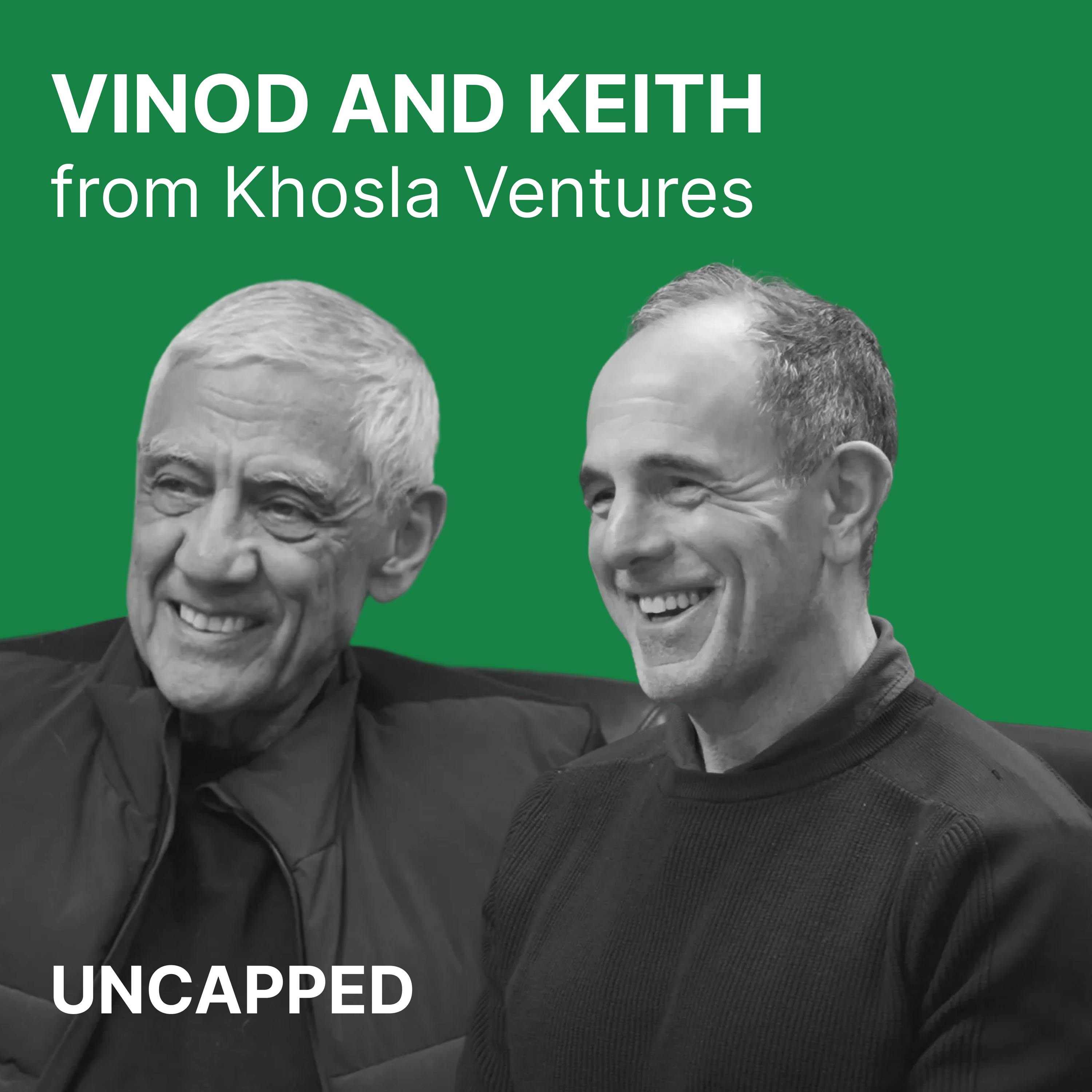
Venture capitalists thrive by adopting one of two distinct personas: the "in the flow" consensus-driver focused on speed and connections, or the "out of the flow" contrarian focused on deep, isolated work. Attempting to straddle both paths leads to failure.

At IVP, even when a partner is passionate about a deal, the firm encourages them to 'sleep on it' after a debate. This deliberate pause allows the partner to process the team's feedback without pressure, often leading to a more rational assessment of their own conviction and preventing investments driven by emotion rather than collective wisdom.
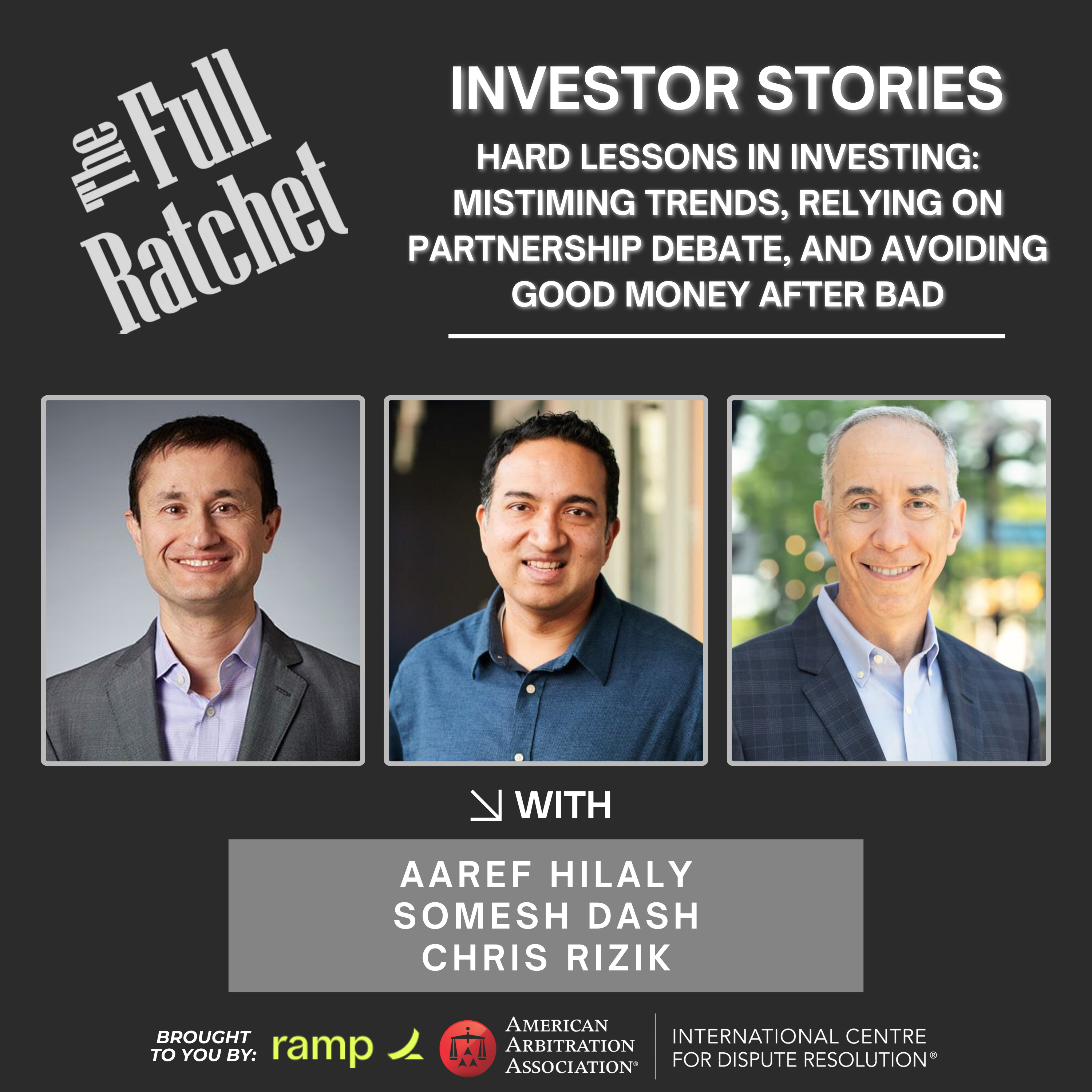
Sequoia operates on a consensus model where every partner must agree for an investment to proceed. A single "no" vote can kill a deal. This high-stakes process forces deep conviction, though partners can be convinced to override their own negative intuition if the rest of the team is overwhelmingly positive.

Unlike committees, where partners might "sell" each other on a deal, a single decision-maker model tests true conviction. If a General Partner proceeds with an investment despite negative feedback from the partnership, it demonstrates their unwavering belief, leading to more intellectually honest decisions.

For data-less decisions, PhonePe's co-founders have a simple rule: the partner with deeper historical strength in that domain makes the final call. The other commits fully, and they never revisit the decision, ensuring they learn and move forward without blame.

To combat confirmation bias, solo investors can form a "red team" of trusted peers. After doing 80% of the work, present the idea to this group, whose sole job is to criticize it and expose blind spots, avoiding the social costs or conflicts of interest of an internal analyst.

The romanticized idea of a dramatic "investment committee" meeting is a myth. The most effective investment process is collaborative and iterative, where an idea is pitched early and gains momentum across the firm over time. The formal meeting becomes a rubber stamp for a decision that has already been organically reached.

Instead of seeking feedback broadly, prioritize 'believability-weighted' input from a community of vetted experts. Knowing the track record, specific expertise, and conviction levels of those offering advice allows you to filter signal from noise and make more informed investment decisions.

A strong partnership thrives on different viewpoints, not a leader and a follower. A partner who simply echoes your ideas prevents growth and leaves you vulnerable to your own blind spots. This constructive friction is essential for making robust decisions.