Get your free personalized podcast brief
We scan new podcasts and send you the top 5 insights daily.
Facing a speculative bubble around its Labubu dolls, Pop Mart dramatically increased supply. This move crashed the lucrative resale market but achieved a larger strategic goal: proving to shareholders that its business relies on sustainable earnings across multiple product lines, not a single, volatile fad.
Related Insights
Despite the Barbie movie's billion-dollar success, it only generated a one-time lift in doll sales, which are now declining. This highlights a flaw in Mattel's strategy of banking on films to drive long-term toy demand, unlike recurring content (e.g., Netflix's F1 series) which built a lasting new fanbase.

The Froyo industry's previous decline wasn't due to a lack of demand, but a surplus of supply. The business model—low-cost self-serve machines and minimal labor needs—was so attractive and easy to replicate that it led to oversaturation. The industry essentially became a victim of its own success.

Hasbro uses a three-tier system to allocate resources. "Grow" brands get top priority for capital and talent. "Optimize" brands are steady performers. "Reinvent" brands are in a downcycle and receive mostly conceptual, not go-to-market, support.

The bubble in collectibles like Labubu dolls is fueled by adults, from Gen Z to older demographics, who have more money than they did as children. This trend shows a generational shift where adults continue engaging with childhood brands, creating high-value secondary markets that companies now cater to year-round.
Starbucks' limited-edition items, like a "bearista" cup selling for $500 on eBay, create massive hype through engineered scarcity. This strategy shows that for certain brands, limited-run physical goods can be a more potent marketing tool than the core product itself, fostering a collector's frenzy and a lucrative secondary market.
Anticipating the post-COVID demand slump, Taylor Guitars' sales team spent months calling retailers to cancel $50 million in purchase orders. They recognized this was "phantom demand" that would overload their channel. This short-term revenue sacrifice protected their retail ecosystem's long-term health.

Despite record profits from its LaBubu doll, Pop Mart's stock fell 23%. This reveals that investors prioritize a repeatable system for creating intellectual property over a single, potentially fleeting viral trend. The market values a 'character factory' like Disney more than a one-hit wonder like Beanie Babies.
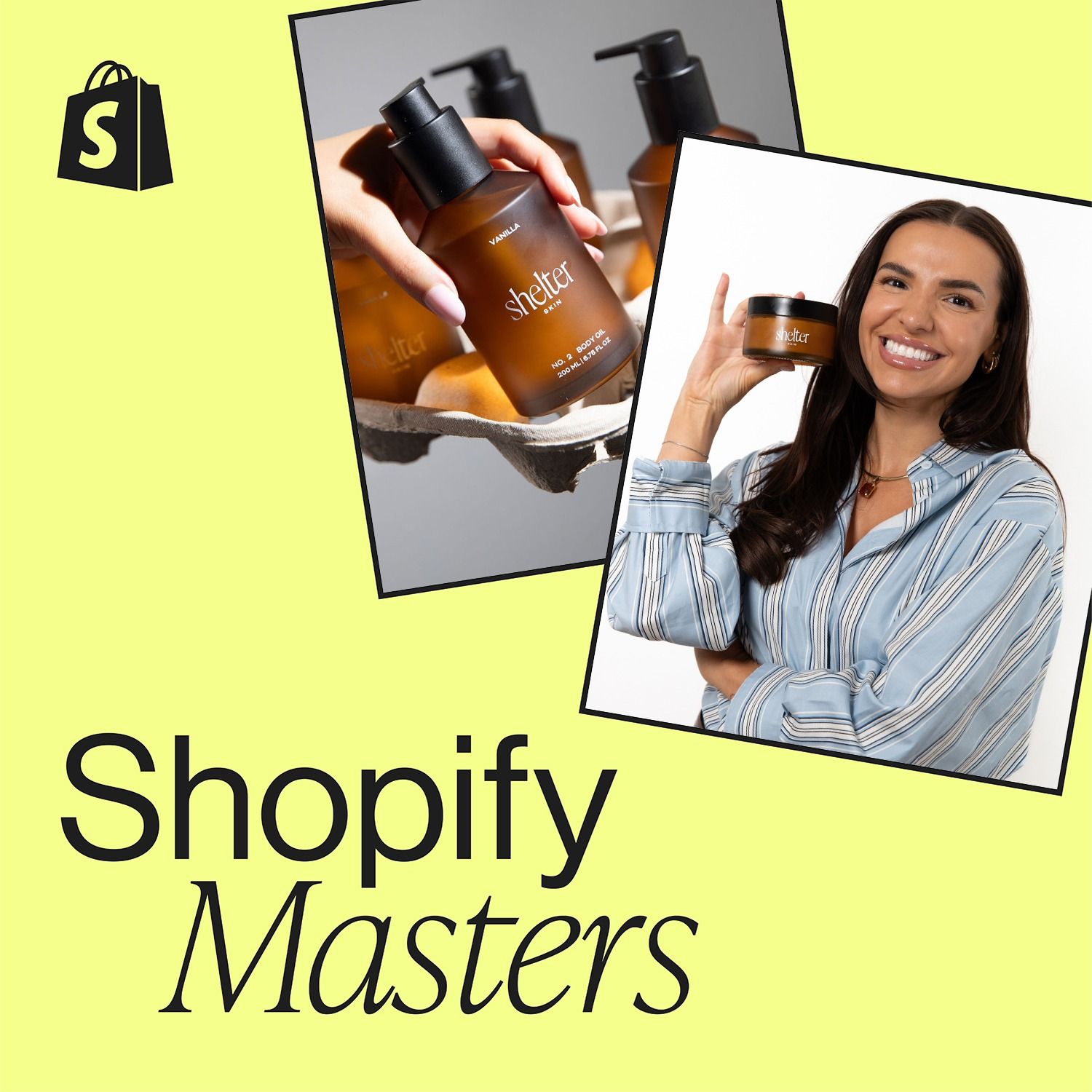
To avoid the operational chaos of viral success, Shelter Skin deliberately caps production to match what they can manufacture and ship themselves. This prevents them from overselling and allows for sustainable, bootstrapped growth, even if it means frustrating some customers with temporary stockouts.
Anyone with a checkbook can source products from manufacturing hubs in China. However, intense competition, digital alternatives for kids, and fast-cycling trends make it incredibly difficult to establish a durable brand and a strategic moat.
Despite high demand, LEGO's CEO views ~15% annual growth as the sustainable maximum. Because LEGO manufactures its own products, faster growth would strain its ability to build new factories and distribution centers, introducing unacceptable complexity and delivery risks into the operating model.