Get your free personalized podcast brief
We scan new podcasts and send you the top 5 insights daily.
In its early days, e.l.f. avoided significant overhead by using the founder's father's existing apparel business infrastructure. This included office space, a warehouse, and crucial manufacturing connections in Asia, enabling a capital-efficient start.

Related Insights
Facing a growing inventory of bulky vintage items, founder Drew Scott bought a duplex, lived in the upper unit, and converted the entire lower level into storage. This creative, bootstrapped approach merged living and business logistics to fuel growth without external funding.

To overcome early capital constraints, Beryl Stafford formed an LLC with Justin's Nut Butters. They shared a commercial kitchen, employees, and even a bookkeeper, allowing both nascent CPG brands to scale operations affordably.
Mike Faherty's deep engagement with overseas factories while at Ralph Lauren built strong personal relationships. These factory owners later became his new brand's first investors and manufacturing partners, a crucial advantage for a startup.
e.l.f.'s core strategy isn't just affordability; it's the democratization of high-end beauty. The company intentionally identifies top-performing prestige products, re-engineers them with an 'e.l.f. twist,' and offers them at a dramatically lower price point. This creates incredible value and disrupts the market from the bottom up.

By manufacturing in-house, Buy Rosie Jane maintained profitability and control over its cash flow. This vertical integration was the key that allowed the bootstrapped company to handle large purchase orders from major retailers like Anthropologie and Sephora without needing outside investment.
The founder explains that hitting a 35-cent cost of goods was not about compromising the makeup itself. The key innovation was in the "componentry"—engineering plastic packaging with single-mold parts to be extremely cheap to manufacture.
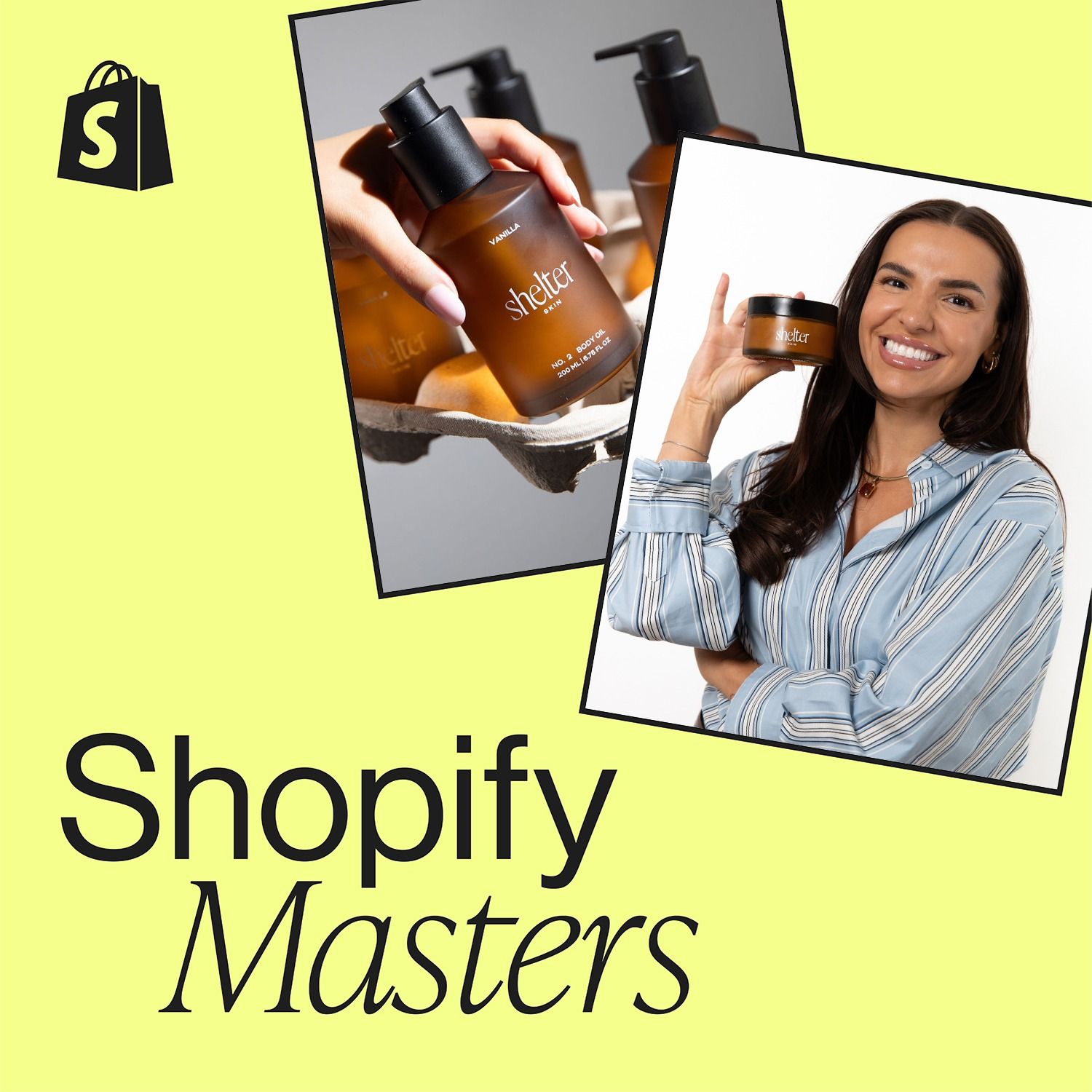
Instead of buying expensive, custom-built lab equipment, Shelter Skin creatively repurposed machinery from the food and beverage industry, like bakery mixers and milk pasteurizers. This resourceful approach enabled them to scale production on a bootstrapped budget, proving ingenuity can replace capital.
Despite a $50 million exit from their previous company, the Everflow founders intentionally limited their initial investment to a few hundred thousand dollars and didn't take salaries for two years. They believed capital scarcity forces focus and efficiency, preventing wasteful spending while they were still figuring out the product.

Array's founder first tapped her pharmacologist father and dietitian mother to research ingredients for her personal use. This allowed for high-level, free R&D and scientific validation before committing to building a full-fledged company, overcoming a major initial capital hurdle.
Elf maintains low prices by embedding its own quality control and lean manufacturing teams within partner supplier facilities. This hybrid model gives them a high degree of control over cost and speed, allowing them to sell products like a $3 lipstick profitably, even amidst inflation and tariffs.
