Get your free personalized podcast brief
We scan new podcasts and send you the top 5 insights daily.
The CEO of Korean startup Apollon, who moved his family to Cambridge, argues that sending a representative is insufficient for US expansion. He advises that the CEO must be physically present "on the ground" to build trust, navigate the ecosystem, and demonstrate commitment—a crucial lesson for any international startup targeting the US.

Related Insights
A European founder targeting the US market shouldn't dismiss European VCs. You might be the top priority in a European firm's portfolio, receiving more attention and support than you would as a lower-priority deal for a top-tier, oversubscribed Silicon Valley firm.
A VC advises Korean entrepreneurs to abandon gradual US entry strategies. The effective model is to "parachute" in—relocating solo to a hub like Boston and immersing oneself in the network. This radical, face-time-centric approach is deemed essential for building the momentum needed for US investment and partnerships.
Instead of concentrating its sales force in one region, Deel hired individual salespeople in various countries early in its journey. This counterintuitive move, often criticized as defocusing, allowed the company to quickly test and understand multiple markets in parallel. This strategy was key to rapidly ramping up a global go-to-market motion with localized insights.

A successful startup often resembles a cult, requiring a leader who communicates their vision with unwavering, first-person conviction. Hiding the founder behind polished PR spokespeople is a mistake; it neuters the contagious belief required to recruit talent and build a movement against impossible odds.

Contrary to the remote-first trend, Crisp.ai's founder advises against a fully distributed model for initial product development. He argues for gathering the core team in one physical location to harness the energy and efficiency of in-person collaboration. Distributed teams are better suited for iterating on an already established product.
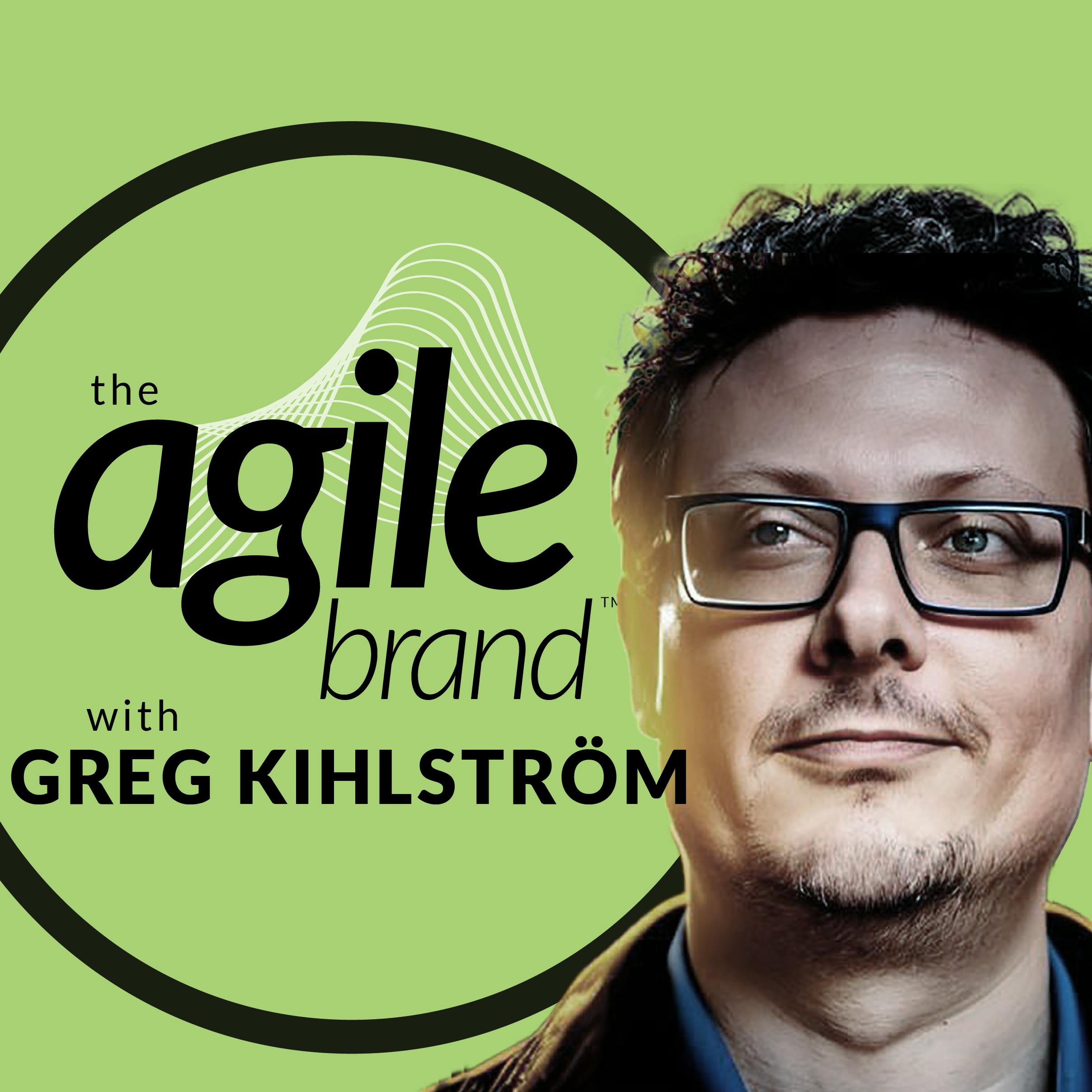
Larroudé's co-founders identify their dual Brazilian-American citizenship as a key "lucky" advantage. This allowed them to understand the US consumer market while expertly navigating Brazil's massive footwear manufacturing industry. Founders should seek opportunities where their personal history provides an edge no competitor can replicate.
The founder's number one piece of advice is to 'get on the plane.' In an era of digital communication, physically meeting customers is a powerful differentiator. He was shocked by how many customers said his was the only startup vendor to ever visit their office. This direct, in-person connection provides insights that competitors miss.

European firm Permira successfully entered the US not by just opening an office, but by relocating its top talent, empowering local decision-making, and accepting years of minimal activity to build relationships and market knowledge before scaling.

Moving to a location with a lower cost of living (geo-arbitrage) is more than a cost-saving tactic; it's a strategic lever to accelerate financial and lifestyle goals by a decade. This allows founders to extend their runway, free up capital for investments, and achieve their desired lifestyle much faster.

Instead of choosing between tech hubs like Austin and San Francisco, founders can adopt a hybrid model. Spend a concentrated period (1-3 months) in a high-density talent hub like SF to build domain expertise and relationships, then apply that capital back in a lower-cost home base.
