Get your free personalized podcast brief
We scan new podcasts and send you the top 5 insights daily.
In bladder cancer patients on combination therapies like EV-PEMBRO, diarrhea should not be automatically attributed to treatment-related colitis. Clinicians must maintain a broad differential diagnosis, including common mimics like C. diff infection (due to frequent antibiotic use) and less common ones like pancreatitis, before escalating immunosuppression.

Related Insights
Clinical trials with zanidatumab revealed significant diarrhea primarily in the first cycle. The successful management strategy involves mandatory loperamide twice daily for the first seven days to improve tolerability and prevent treatment discontinuation, a crucial implementation pearl.
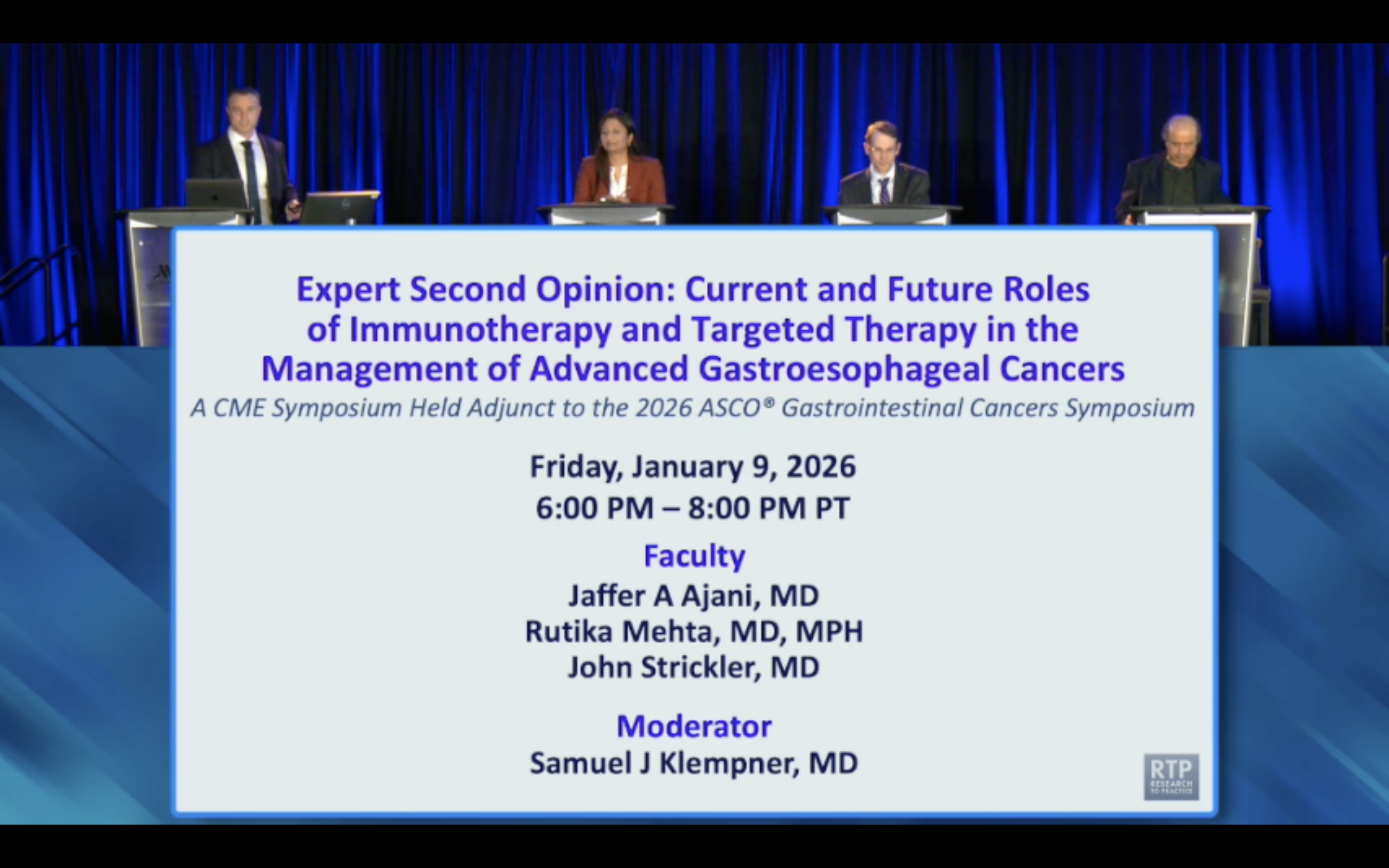
A common clinical observation is that patients who develop significant immune-related toxicities, like colitis or pneumonitis, are frequently the same ones who experience the most profound and durable responses to checkpoint inhibitor therapy.

When combining sacituzumab govitecan (SASE) and pembrolizumab (IO), it's crucial to differentiate the cause of diarrhea. SASE-induced diarrhea is similar to standard chemotherapy, while IO-induced diarrhea often presents with bloody stools and severe abdominal cramping.
The HORIZON-GEA-01 trial for zanidatumab in gastric cancer mandated prophylactic loperamide (4mg BID) for all patients. This was necessary to manage the high rates of diarrhea (up to 80% of patients), a significant GI toxicity associated with the drug's mechanism of action.

When a patient on lenvatinib and pembrolizumab develops diarrhea, the first diagnostic step is to pause lenvatinib. If the diarrhea resolves, it's likely from the TKI. If it persists, it's more likely immune-mediated colitis from pembrolizumab, requiring different management like steroids. This simple step clarifies the cause.

Clinicians can differentiate side effects based on their profile: "-itis" symptoms (colitis, pneumonitis) suggest immunotherapy, while cytopenias and neuropathy point to chemotherapy. Response to steroids is a key diagnostic clue for immune-related events.

For a patient on TDXD plus pertuzumab who develops severe, treatment-limiting diarrhea, a reasonable strategy is to discontinue pertuzumab and continue with TDXD monotherapy. This preserves the most active agent while mitigating toxicity, as the incremental benefit of pertuzumab is not yet reported.
When a toxicity like rash occurs with EV+pembrolizumab—which could be caused by either drug—the recommended strategy is to stop both. After the rash improves, reintroduce the drug least suspected of causing it first. If the rash does not recur, it helps confirm the other agent was the culprit.
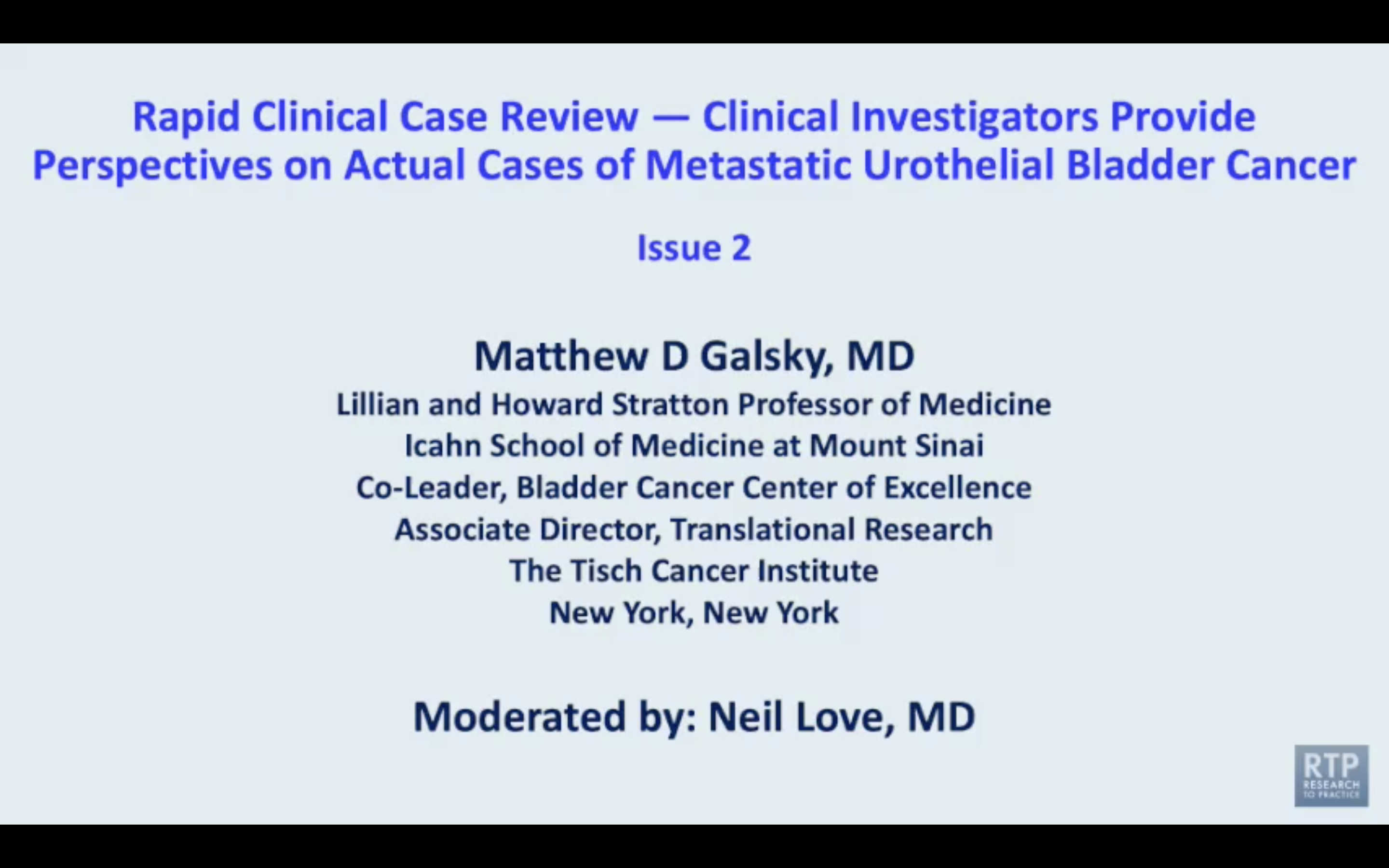
Clinicians should not underestimate Grade 2 diarrhea, which can involve up to six bowel movements above baseline daily. This level of toxicity significantly impacts a patient's daily living and can lead to dehydration and subsequent complications like hyperglycemia, warranting serious monitoring and prompt intervention.
Diarrhea from the HER2-directed antibody zanidatumab is a common side effect, but it's most frequent and manageable in the first two cycles. Clinicians should proactively prescribe loperamide and educate patients, as the issue often resolves and rarely leads to treatment discontinuation.
