Get your free personalized podcast brief
We scan new podcasts and send you the top 5 insights daily.
For a patient on TDXD plus pertuzumab who develops severe, treatment-limiting diarrhea, a reasonable strategy is to discontinue pertuzumab and continue with TDXD monotherapy. This preserves the most active agent while mitigating toxicity, as the incremental benefit of pertuzumab is not yet reported.

Related Insights
TDXD is highly emetogenic. Adding low-dose olanzapine to the standard three-drug antiemetic prophylaxis regimen is a transformative strategy that significantly reduces both acute and delayed nausea, making the potent therapy much more tolerable for patients.
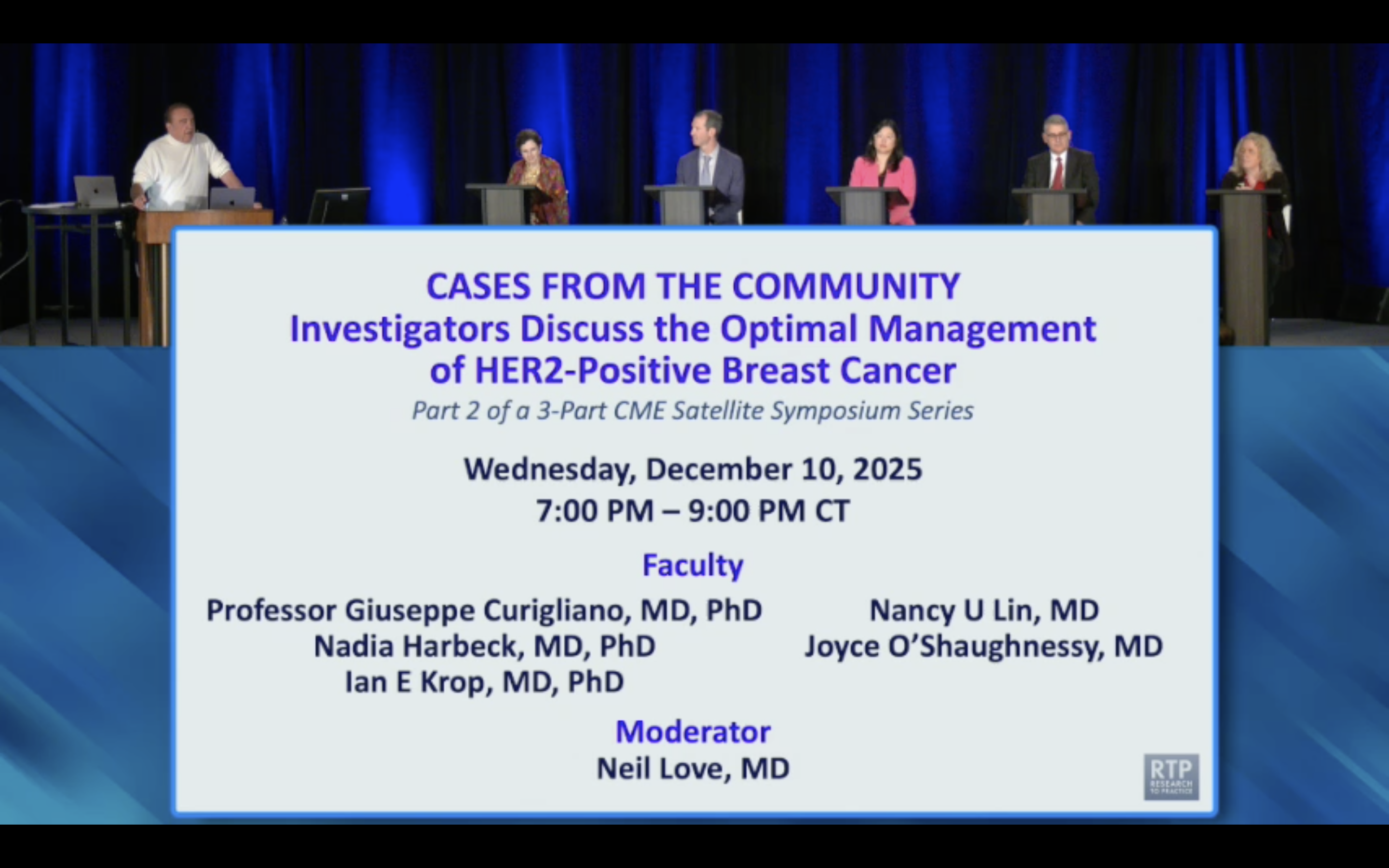
When combining sacituzumab govitecan (SASE) and pembrolizumab (IO), it's crucial to differentiate the cause of diarrhea. SASE-induced diarrhea is similar to standard chemotherapy, while IO-induced diarrhea often presents with bloody stools and severe abdominal cramping.
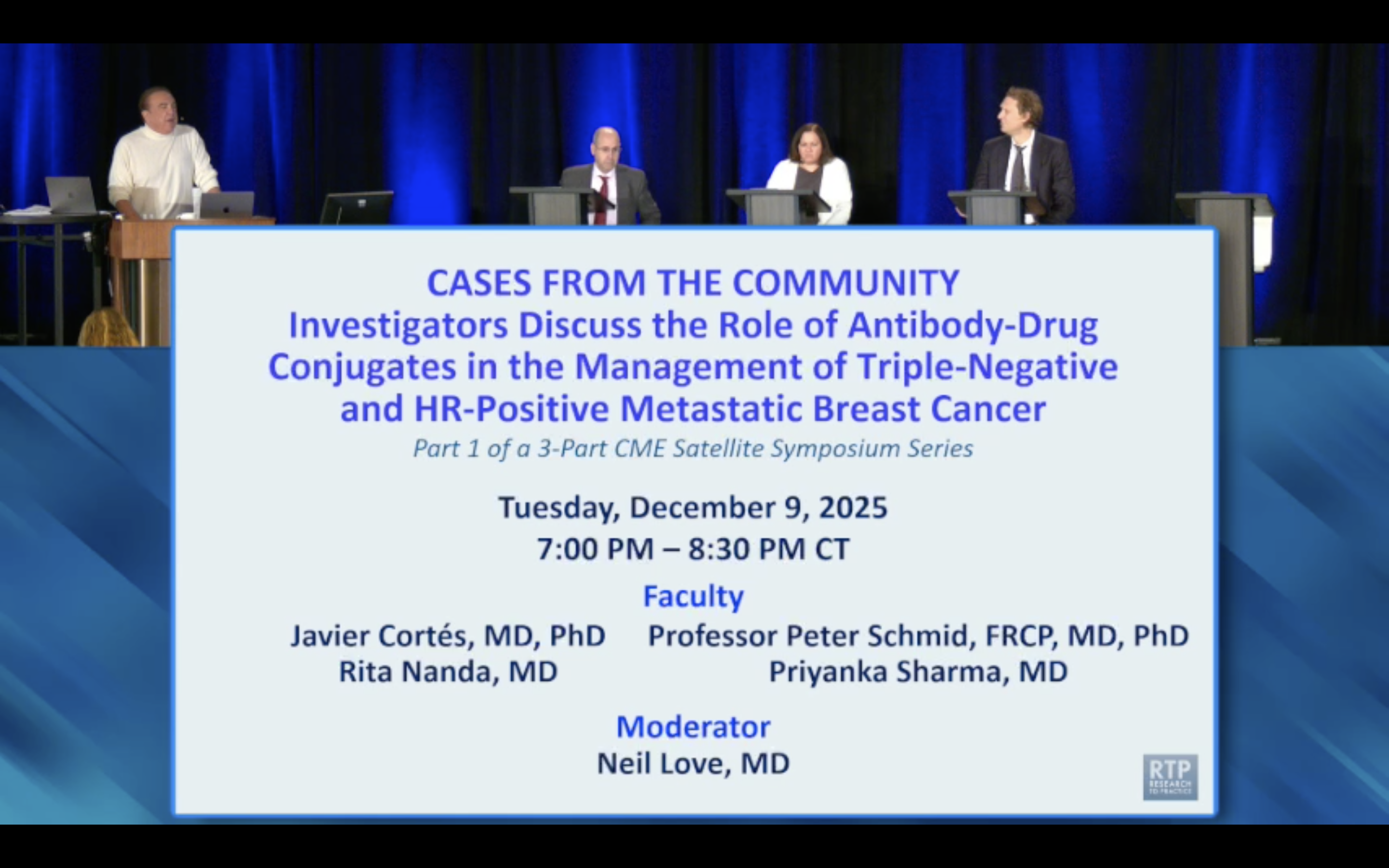
A critical reason patients stop ADC treatments is the burden of side effects like skin toxicity or GI issues, not just disease progression. This underscores the urgent need to develop ADCs with better safety profiles, enabling patients to stay on effective therapy longer.

To manage the acute GI toxicity of T-DXd, a preemptive three-drug antiemetic combination is recommended. Completely preventing nausea and vomiting is crucial not just for comfort, but for mitigating patient anxiety around chemotherapy and ensuring they can remain on this long-term treatment.

Initial concerns about severe diarrhea with sacituzumab govitecan are now less relevant due to improved management. Prophylactic use of strong antiemetic regimens often causes constipation, effectively preventing diarrhea and dramatically improving the drug's tolerability based on clinical experience.
New targeted therapies like Zanidatamab and Zolbetuximab show great promise but cause significant side effects like diarrhea and nausea. Their successful clinical adoption hinges on proactive management using detailed guidelines and prophylactic medications, as toxicity can be severe enough to force treatment discontinuation despite the drug's efficacy.

When a patient on lenvatinib and pembrolizumab develops diarrhea, the first diagnostic step is to pause lenvatinib. If the diarrhea resolves, it's likely from the TKI. If it persists, it's more likely immune-mediated colitis from pembrolizumab, requiring different management like steroids. This simple step clarifies the cause.

When managing toxicities from trastuzumab deruxtecan (TDXD) in urothelial cancer, clinicians should refer to established protocols and literature from breast cancer, where experience is more extensive. This cross-disciplinary approach is necessary for managing side effects like nausea, vomiting, and lung disease until more bladder cancer-specific data becomes available.

To manage the significant diarrhea associated with the new drug zanidatumab, a proactive approach is critical. The successful HORIZON-GEA trial protocol included mandatory loperamide twice daily for the first seven days of cycle one, a strategy which effectively managed toxicity without leading to treatment discontinuation.

Clinicians should not underestimate Grade 2 diarrhea, which can involve up to six bowel movements above baseline daily. This level of toxicity significantly impacts a patient's daily living and can lead to dehydration and subsequent complications like hyperglycemia, warranting serious monitoring and prompt intervention.