Get your free personalized podcast brief
We scan new podcasts and send you the top 5 insights daily.
Despite public focus on Elon Musk, former Twitter CEO Dick Costolo credits much of the product's recent success and resilience to product manager Nikita Beyer. Costolo compares Beyer's product instincts to those of Instagram's Kevin Systrom and Snapchat's Evan Spiegel, highlighting his critical, under-the-radar role.

Related Insights
To combat methodical slowness at Twitter, Costolo's first move as CEO was to end consensus-based decision-making. He pushed ownership down the org chart to individual leaders, holding them accountable and dramatically increasing the cadence of execution.
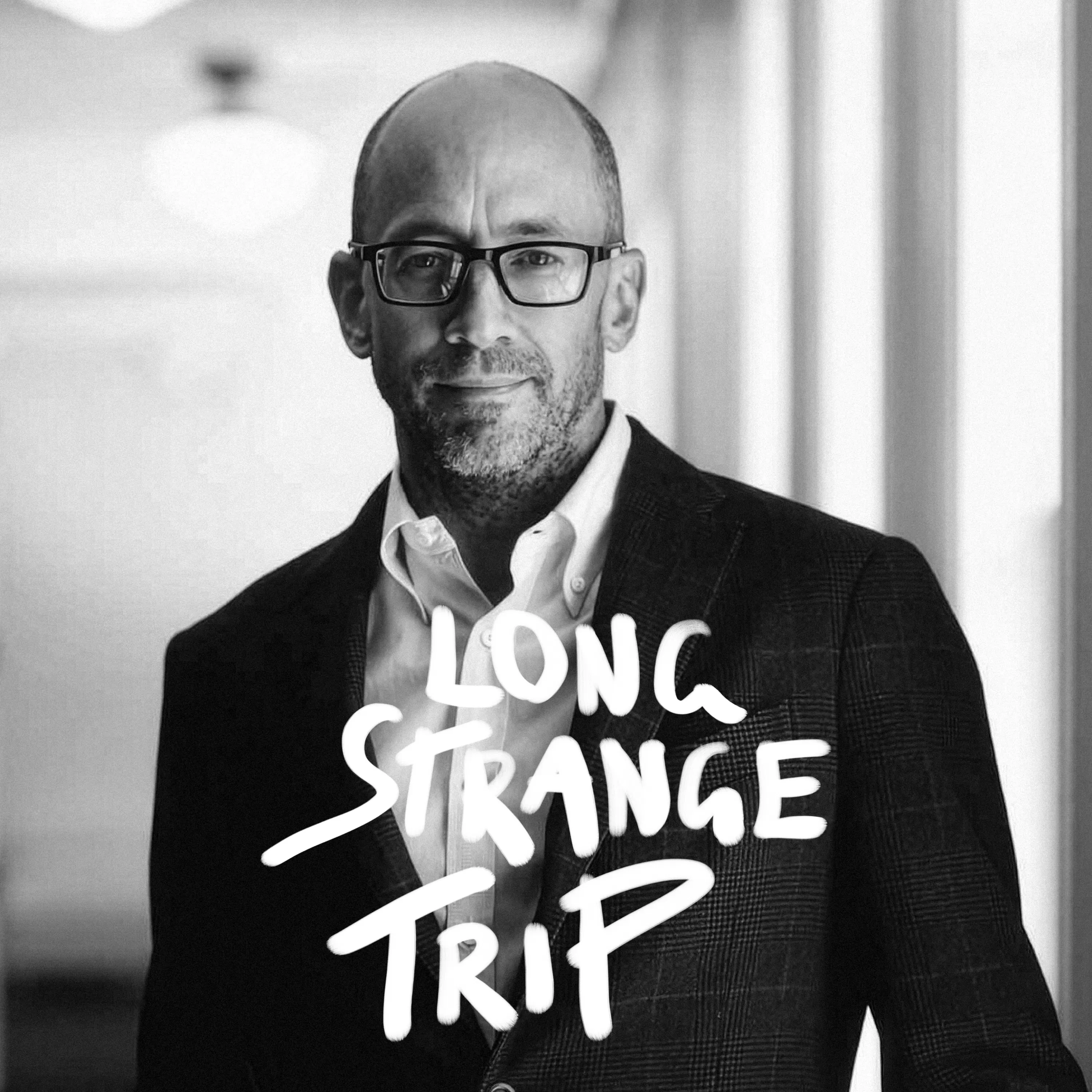
X (formerly Twitter) is actively trying to win back journalists who left after Elon Musk's takeover. This effort shows the platform's leadership understands that a small percentage of "very important tweeters," often journalists, drives a disproportionate amount of engagement and credible content.

Near the launch of Instagram Stories, the team was in a bind after losing their drawing tools engineer. Co-founder and CTO Mike Krieger exemplified a "lead from the front" mentality by personally jumping in to code the remaining features, like the neon brush, and review diffs at 2 AM. This hands-on leadership from the top inspired the team.

Companies must actively fight the inertia of their customer understanding. Twitter's leadership held a stale mental model of its users, leading them to ship a feature that broke the platform for its most engaged cohort, whom they didn't realize were a core demographic.

An ex-PM from all three giants offers a masterclass on their distinct product cultures. Apple prioritizes product perfection above all, Meta is obsessed with data and rapid execution, and Google demands deep technical expertise from its product managers.

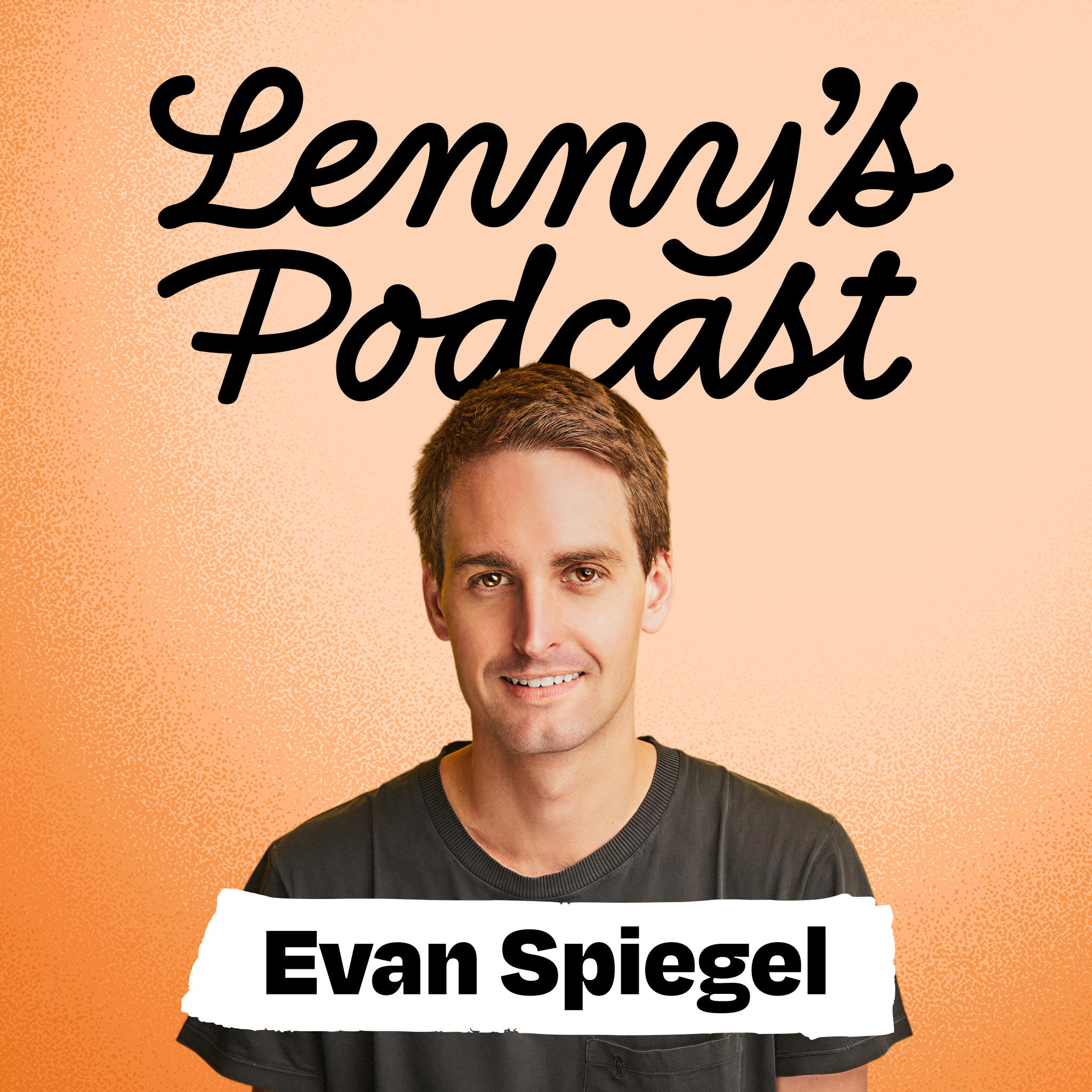
Evan Spiegel intentionally resisted hiring Product Managers in the early days to avoid a culture where designers merely create visuals from specs. By making designers do the PM work themselves, he ensured they owned product direction and strategy, establishing a strong, designer-led culture from the start.
Most CEOs hide failures. Musk openly tweeted that xAI needed a foundational rebuild just before acquiring Cursor. This level of transparency, while risky, acts as a magnet for top talent who appreciate a culture of identifying and fixing problems head-on.

Unlike other tech leaders who celebrate alumni founders, Elon Musk's companies rarely see employees on the podcast circuit. This is a deliberate strategy to control messaging and incentivize long-term commitment. The ideal employee is a quiet, 17-year veteran engineer, not a public-facing superstar who might leave to start their own company.

Twitter's (X's) core appeal lies in its unpolished, unpredictable 'dive bar' atmosphere. This environment fosters serendipity, raw conversations, and niche communities ('basketball Twitter'). This chaotic authenticity is why users remain loyal through constant turmoil, preferring it over more sterile, algorithmically-polished platforms.

Jack Dorsey reframed the Product Manager role as "Product Editor." The most valuable skill is not generating new feature ideas, but exercising judgment to cut through the noise, simplify complexity, and edit the product down to the essential few things that truly drive customer outcomes.
![Gokul Rajaram - Lessons from Investing in 700 Companies - [Invest Like the Best, EP.456] thumbnail](https://megaphone.imgix.net/podcasts/a35cb364-fc94-11f0-a24d-836fa963ece3/image/f64963c59af651cbb2d022f3a0dd7199.jpg?ixlib=rails-4.3.1&max-w=3000&max-h=3000&fit=crop&auto=format,compress)