Get your free personalized podcast brief
We scan new podcasts and send you the top 5 insights daily.
Most CEOs hide failures. Musk openly tweeted that xAI needed a foundational rebuild just before acquiring Cursor. This level of transparency, while risky, acts as a magnet for top talent who appreciate a culture of identifying and fixing problems head-on.

Related Insights
A critical positive signal for investors is a founder who can honestly self-assess their skill gaps. This humility and willingness to hire people who are better than them in specific areas, even with differing personalities, demonstrates the maturity needed to scale a business.

Jensen Huang rejects "praise publicly, criticize privately." He criticizes publicly so the entire organization can learn from one person's mistake, optimizing for company-wide learning over individual comfort and avoiding political infighting.

Musk's statement that xAI "was not built right the first time" reveals a willingness to completely overhaul a venture's core strategy. This approach relies on his unique ability to attract elite talent and fresh capital for radical pivots, even at massive valuations.

Elon Musk is publicly framing xAI's significant leadership turnover as a necessary "rebuild," stating it "was not built right the first time." This candid admission of foundational issues clashes with the massive $250 billion valuation assigned to the company following its recent merger with SpaceX.

Effective leadership in a fast-moving space requires abandoning the traditional org chart. The CEO must engage directly with those closest to the work—engineers writing code and salespeople talking to customers—to access unfiltered "ground truth" and make better decisions, a lesson learned from Elon Musk's hands-on approach.
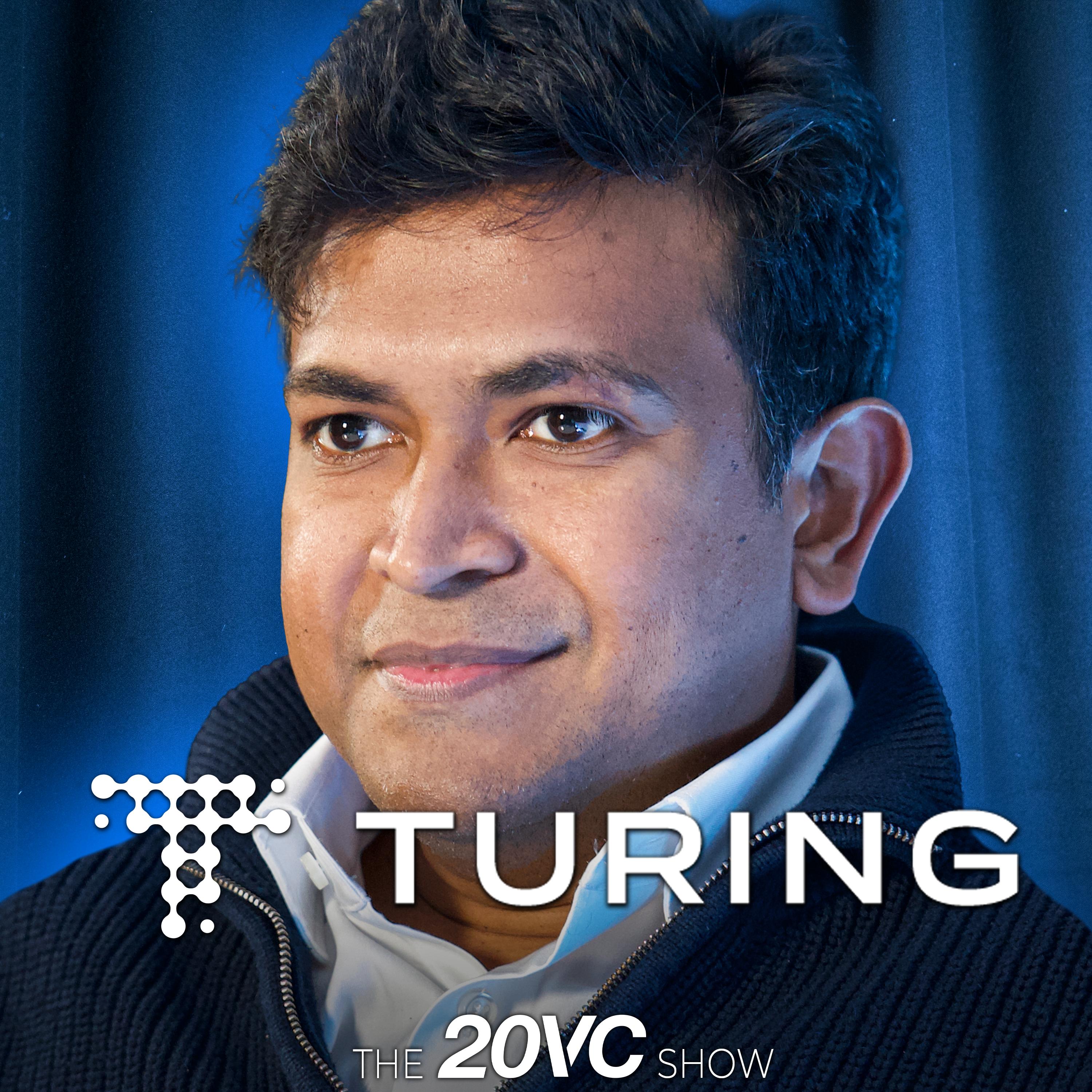
AstroForge's CEO Matt Gialich champions radical transparency, especially after setbacks. When their Odin mission failed, the company published detailed articles explaining exactly what went wrong and how they planned to fix it. This approach builds trust with stakeholders and institutionalizes learning from mistakes.
Musk's success stems from his unique ability to attract hyper-intelligent, maniacally driven individuals. These people are drawn to his high-stakes, high-pressure environment, choosing to "burn out under Musk" rather than be bored elsewhere, creating an unparalleled human capital advantage.

Despite a high valuation, xAI is undergoing a complete overhaul, with Musk admitting it "was not built right the first time." The departure of the original team and hiring of key leaders from competitors like Cursor indicates its initial value was tied more to Musk's brand than to stable assets.

XAI is experiencing a foundational crisis, with six of its twelve co-founders departing. The exodus follows projects falling short of Elon Musk's expectations, prompting him to state the company "was not built right the first time," highlighting extreme talent and execution challenges in the AI race.

The departure of two more xAI co-founders, bringing the total loss to 50%, is directly linked to Elon Musk's sharp dissatisfaction. A delay in the release of the Grok 4.2 AI model triggered his response, a common pattern of leadership change when projects are delayed in his companies.