Get your free personalized podcast brief
We scan new podcasts and send you the top 5 insights daily.
An effective government's role is to enhance citizens' quality of life without being an intrusive presence. Dubai's airport smart gates exemplify this: security and processing are handled seamlessly in the background, offering a superior experience without the friction of traditional government interaction.

Related Insights
In a Washington D.C. study, citizens expressed a desire for personal AI agents to help them navigate complex regulations and paperwork. This reveals a key user need: people want AI as a personal advocate against systemic complexity, not just as a tool for institutional optimization.

While often no faster than walking, iconic moving walkways like Chicago O'Hare's succeed by transforming a tedious journey into a "transportive and calming" experience. This demonstrates the high value of experiential design in otherwise utilitarian public infrastructure.

AI's integration into democracy isn't happening through top-down mandates but via individual actors like city councilors and judges. They can use AI tools for tasks like drafting bills or interpreting laws without seeking permission, leading to rapid, unregulated adoption in areas with low public visibility.

While serving in the military, UAE Minister Omar Al Olama was called an "idiot" for discussing AI. This grounding experience taught him that a government's primary focus must always be on citizens' basic necessities, with high-level strategic initiatives like AI being a clear second priority.
To maintain a high standard of governance, Dubai's ruler employs a network of "secret shoppers." These individuals blend into the public and provide direct, unfiltered reports on everything from government inefficiency and corruption to identifying promising talent, creating a powerful real-time feedback mechanism.
To ensure lean and efficient governance, the UAE has implemented a "Zero Bureaucracy" program. This initiative is a hard mandate for government departments to cut 50% of their bureaucratic processes year-over-year, forcing continuous improvement, simplification, and a reduction in corruption.
Unlike private companies seeking product-market fit within a specific segment, designing digital public infrastructure (DPI) requires a different mindset. The goal is creating a level playing field that enables *everyone* to participate and allows markets to innovate on top.
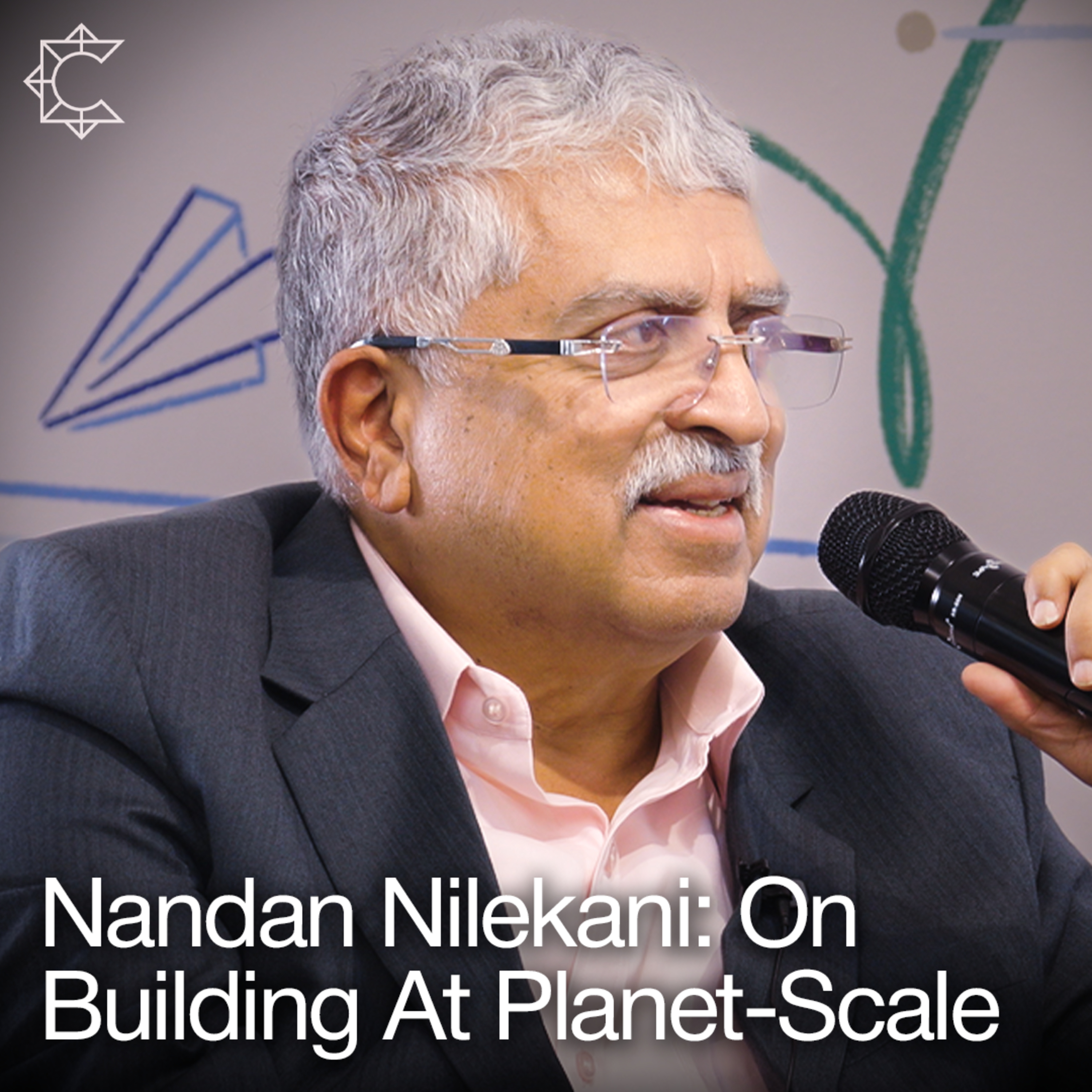
When executing a large-scale government technology project, physically separating the technology team (e.g., in Bangalore) from the political and bureaucratic hub (e.g., in Delhi) is a crucial tactic. This creates a shield, allowing engineers to focus on deep work without constant interference.
AI can turn a potentially negative customer experience into a welcoming one by seamlessly removing friction. An airport parking gate that recognizes a license plate and opens automatically transforms a moment of potential anger into a feeling of being recognized and valued, which is a powerful form of brand building.

The key to Dubai's peaceful coexistence among 200 nationalities isn't a complex policy. It's the government's ability to foster a collective belief in progress. When everyone feels treated fairly and is optimistic about their future, social friction dissolves, creating a harmonious society.