Get your free personalized podcast brief
We scan new podcasts and send you the top 5 insights daily.
Traditional listicles like 'The 7 Things...' are less effective. Highlighting the 'top three,' 'number one,' or 'the best' solutions performs exponentially better on AI platforms and in email marketing, driving higher engagement and visibility.

Related Insights
LinkedIn's new language model gives the most analytical weight to the first ~60 tokens (roughly 30-40 words) of your content. This means front-loading your post with depth, authority, and specific metrics in the hook is now more critical for algorithmic success than clickbait-style openings.

To signal recency to Large Language Models (LLMs), marketers must include specific time periods (e.g., year, quarter, month, or 'Updated [Date]') directly in content titles. This simple change makes content over 50% more likely to appear in AI-generated results on platforms like ChatGPT, which are rapidly replacing traditional search.

To get cited by AI, creators should abandon creative hooks for directness. The optimal format is a single, longer post that solves one specific problem with one clear answer. The structure should define the problem, provide a step-by-step solution, and summarize.

Technical structure is crucial for AI Search Optimization (AEO). An article with properly ordered HTML headings (H1, H2, H3) is three times more likely to be cited by an LLM compared to a similar Page 1 ranking article with poor structure, making it a critical, low-effort optimization.

Leverage AI in email marketing not to replace your voice, but to augment it. Use tools like ChatGPT as a brainstorming partner to generate angles and outlines. This frees up your creative energy to focus on infusing the content with personal stories and genuine connection that only a human can provide.

Instead of asking an AI tool for creative ideas, instruct it to predict how 100,000 people would respond to your copy. This shifts the AI from a creative to a statistical mode, leveraging deeper analysis and resulting in marketing assets (like subject lines and CTAs) that perform significantly better in A/B tests.

To improve rankings in AI-generated answers, prioritize adding recency signals to all content. Updating titles and offers with recent dates (e.g., "Updated March 2024") is the number one driver for visibility because AI platforms favor fresh, timely information over static "evergreen" content.

In the era of zero-click AI answers, the goal shifts from maximizing time-on-page to providing the shortest path to a solution. Content must lead with a direct, data-dense summary for AI agents to easily scrape and cite.
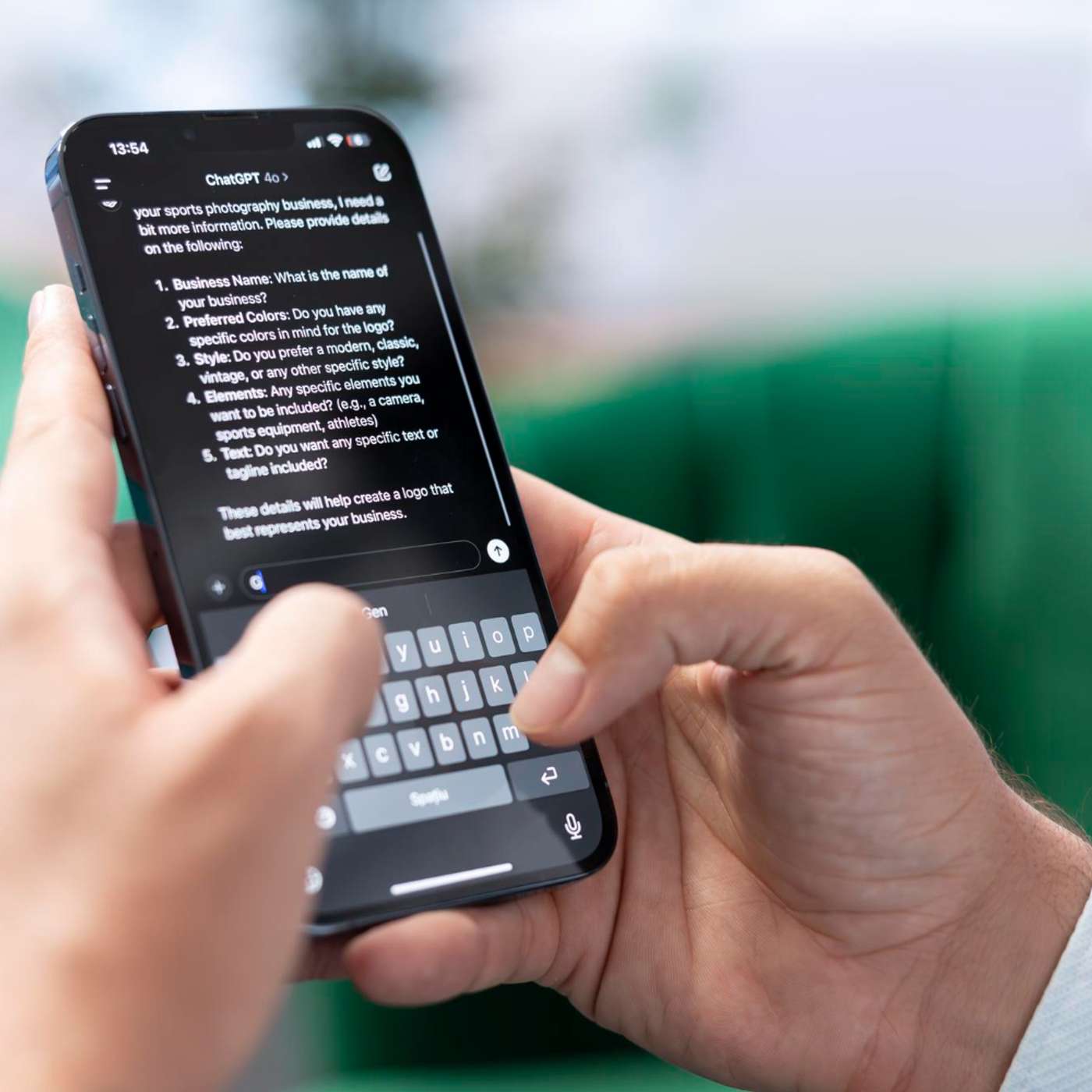
To increase the chances of being cited in AI search, structure content in formats that directly answer user questions. FAQs and benchmark/evaluation tools perform exceptionally well because they provide clear, structured answers that LLMs can easily parse and present to users conducting research.

Standard listicles are becoming less effective. Content focused on superlatives—such as 'the best,' 'the number one,' or 'the top three'—is performing exponentially better on AI search platforms and in email marketing. This refined approach is a small but powerful evolution of the listicle format.
