Get your free personalized podcast brief
We scan new podcasts and send you the top 5 insights daily.
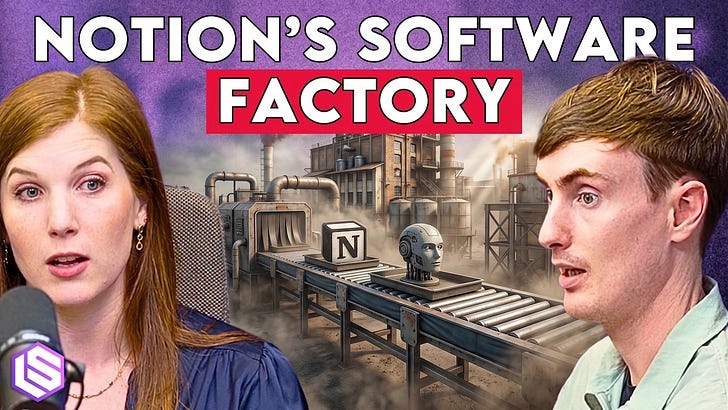
By empowering anyone to build and ship functional prototypes, Notion's culture shifts the burden of proof. With many working demos competing for attention, product managers must have a strong, clear vision to prioritize and ensure the team is focusing on a single tower, not building a "flat hill."
Related Insights
The shift to a product-led culture wasn't a formal launch. The CEO began by stating "we are product-led" aspirationally, then relentlessly reinforced this message in every meeting and report. This constant repetition, backed by operational changes, gradually and organically transformed the company's identity and behavior.

Traditional "writing-first" cultures create communication gaps and translation errors. With modern AI tools, product managers can now build working prototypes in hours. This "show, don't tell" approach gets ideas validated faster, secures project leadership, and overcomes language and team barriers.
The core job of a Product Manager is not writing specs or talking to press; it's a leadership role. Success means getting a product to market that wins. This requires influencing engineering, marketing, and sales without any formal authority, making it the ultimate training ground for real leadership.

In today's fast-paced tech landscape, especially in AI, there is no room for leaders who only manage people. Every manager, up to the CPO, must be a "builder" capable of diving into the details—whether adjusting copy or pushing pixels—to effectively guide their teams.
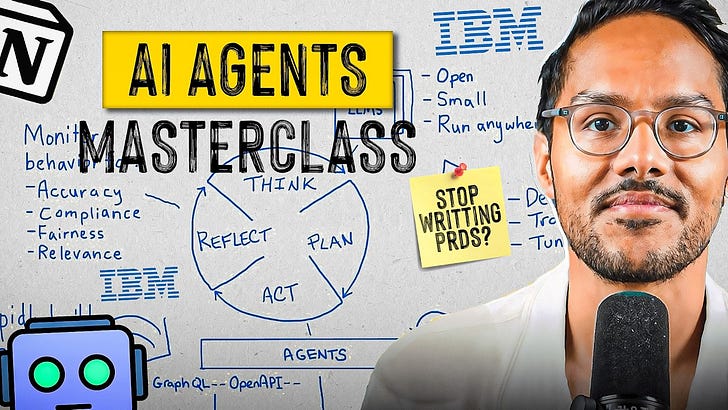
The traditional product management workflow (spec -> engineer build) is obsolete. The modern AI PM uses agentic tools to build, test, and iterate on the initial product, handing a working, validated prototype to engineering for productionalization.
![Building a Personal AI Model Map [AI Operators Bonus Episode] thumbnail](https://d3t3ozftmdmh3i.cloudfront.net/staging/podcast_uploaded_nologo/41472609/41472609-1752234663609-8665756a468e5.jpg)
The team no longer relies solely on PRDs and design docs. Product managers are now required to build a functional prototype as a core part of the development cycle, ensuring ideas are validated with a working model early on.

Building your own product forces you to confront technical realities like database migrations and architectural trade-offs. This firsthand experience provides deep empathy for engineering challenges, which in turn builds crucial credibility and improves collaboration with development teams.

Product managers and leaders shouldn't just create documents for alignment. Dylan Field argues that when leaders are seen actively building and creating—not just managing—it inspires the entire organization and creates significant cultural shifts toward a bias for action.
Companies are using AI tools like Perplexity Computer to build functional MVPs almost instantly. This cultural shift allows teams to interact with a working version of an idea to gauge its value before investing significant engineering resources, replacing the traditional text-based planning phase.

The product management workflow is evolving from documentation to creation. With AI tools lowering the barrier to build, PMs can now develop and share functional prototypes to communicate ideas and test assumptions, a much higher-fidelity approach than traditional written documents.
