Get your free personalized podcast brief
We scan new podcasts and send you the top 5 insights daily.
Social collapse follows a four-act structure: a breach of norms, a widening crisis, an attempt at redress (healing), and finally either reintegration or a permanent schism. This theory suggests the most devastating societal fractures are not caused by external enemies but from internal conflicts that spiral out of control when leaders fail to perform reparative rituals.
Related Insights
While societal decline can be a long, slow process, it can unravel rapidly. The tipping point is when the outside world loses confidence in a nation's core institutions, such as its legal system or central bank. This triggers a sudden flight of capital, talent, and investment, drastically accelerating the collapse.

Observing the fading Highland culture, Johnson concluded that misery is caused "by the corrosion of less visible evils" like domestic strife, rather than rare disasters like invasions. This insight suggests that gradual, internal decay is a greater threat to a society's health than singular, external shocks.

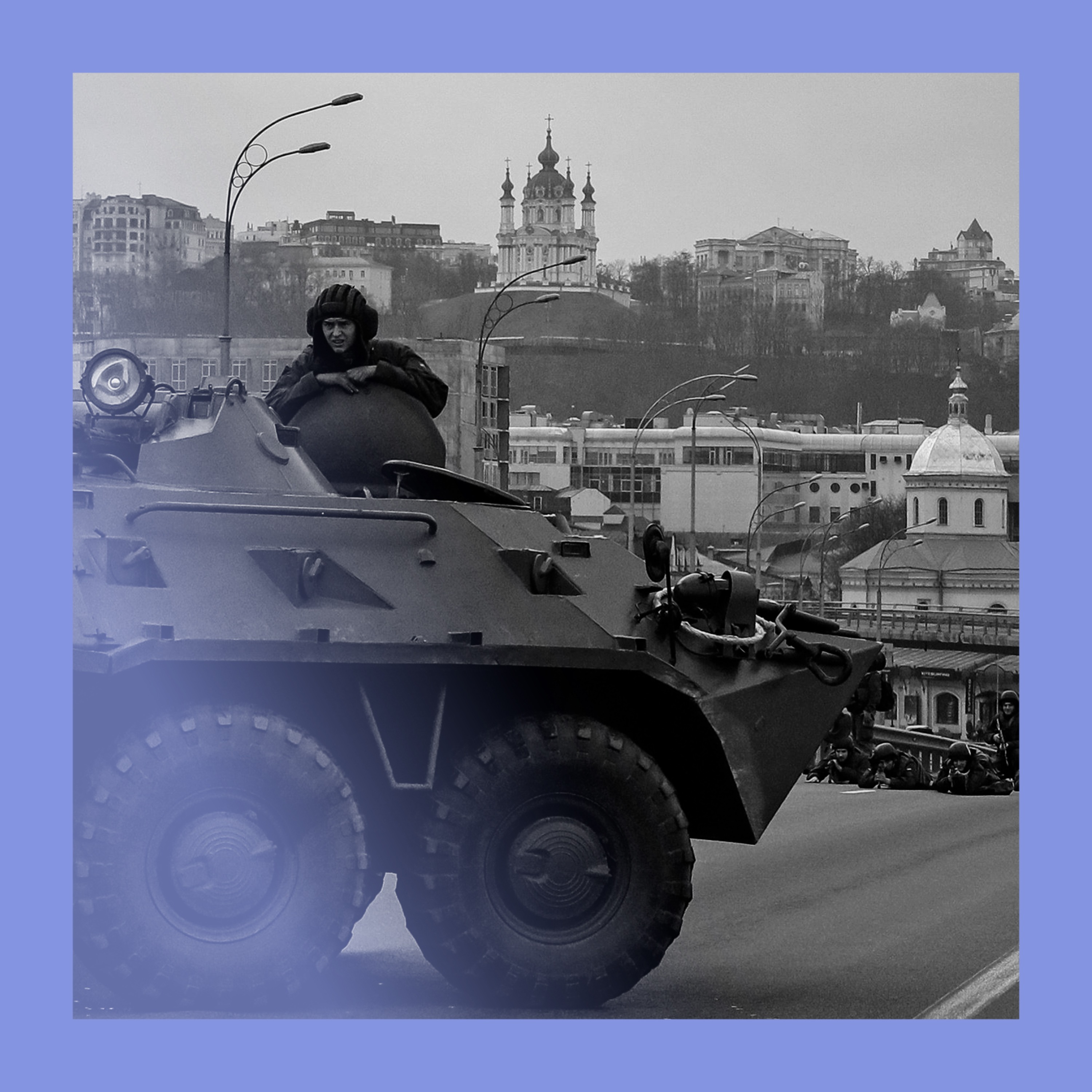
The initial unity of Ukrainian society has eroded after years of war. Deep divisions are emerging between those who stayed versus those who fled, and those who fought versus those who did not. These fractures will likely be exploited politically and complicate post-war nation-building.
A political system is in jeopardy when its citizens and leaders prioritize their ideological causes above the system's rules and stability. This creates irreconcilable differences, making compromise impossible and leading to internal conflict and eventual breakdown, a pattern observed repeatedly throughout history.

The US historically undergoes a major societal crisis and renewal every 80 years (e.g., Civil War, Great Depression). However, the current cycle is different. The tribalism and information silos created by social media may prevent the national reflection and post-partisan unity required for recovery.

Internally divided societies rarely come together on their own. Unity is almost exclusively forged when a common external, existential threat emerges. This was seen after 9/11 and during the Cold War, where the fear of an outside enemy overshadowed internal political disagreements, forcing cooperation.

Civilizations don't fall directly from war or plague. They fall when these shocks trigger a psychological shift from an open, exploratory mindset to a fearful, protectionist one. This 'Spartan mentality' stifles the innovation required to overcome the original challenges, leading to decline.

Current instability is not unique to one country but part of a global pattern. This mirrors historical "crisis centuries" (like the 17th) where civil wars, plagues, and economic turmoil occurred simultaneously across different civilizations, driven by similar underlying variables.

The true danger isn't partisan bickering but the collapse of shared cultural institutions like family, faith, and community. These provided a common identity and purpose that held the nation together, and their erosion leaves a void that politics cannot fill, removing the nation's "center of gravity."

Historian Joseph Tainter argues societies collapse when maintaining their complexity consumes all available resources. This applies to organizations, which become fragile by constantly adding complex solutions without a mechanism for simplification. This leaves no buffer to handle the next major, inevitable crisis.
