Get your free personalized podcast brief
We scan new podcasts and send you the top 5 insights daily.
Ken Langone's negotiation principle is to let the other party feel they won more than they deserved. This isn't about getting less but about prioritizing long-term trust over maximizing a single transaction. This approach builds a reputation that attracts future opportunities and creates loyal partners.
![Ken Langone - The American Dream - [Invest Like the Best, REPLAY] thumbnail](https://megaphone.imgix.net/podcasts/1fe2ef5a-b37c-11f0-8838-43577722245c/image/f7af01e84d1fadd97b79e0e584ccbca3.jpg?ixlib=rails-4.3.1&max-w=3000&max-h=3000&fit=crop&auto=format,compress)
Related Insights
Frame every negotiation around four core business drivers. Offer discounts not as concessions, but as payments for the customer giving you something valuable: more volume, faster cash payments, a longer contract commitment, or a predictable closing date. This shifts the conversation from haggling to a structured, collaborative process.

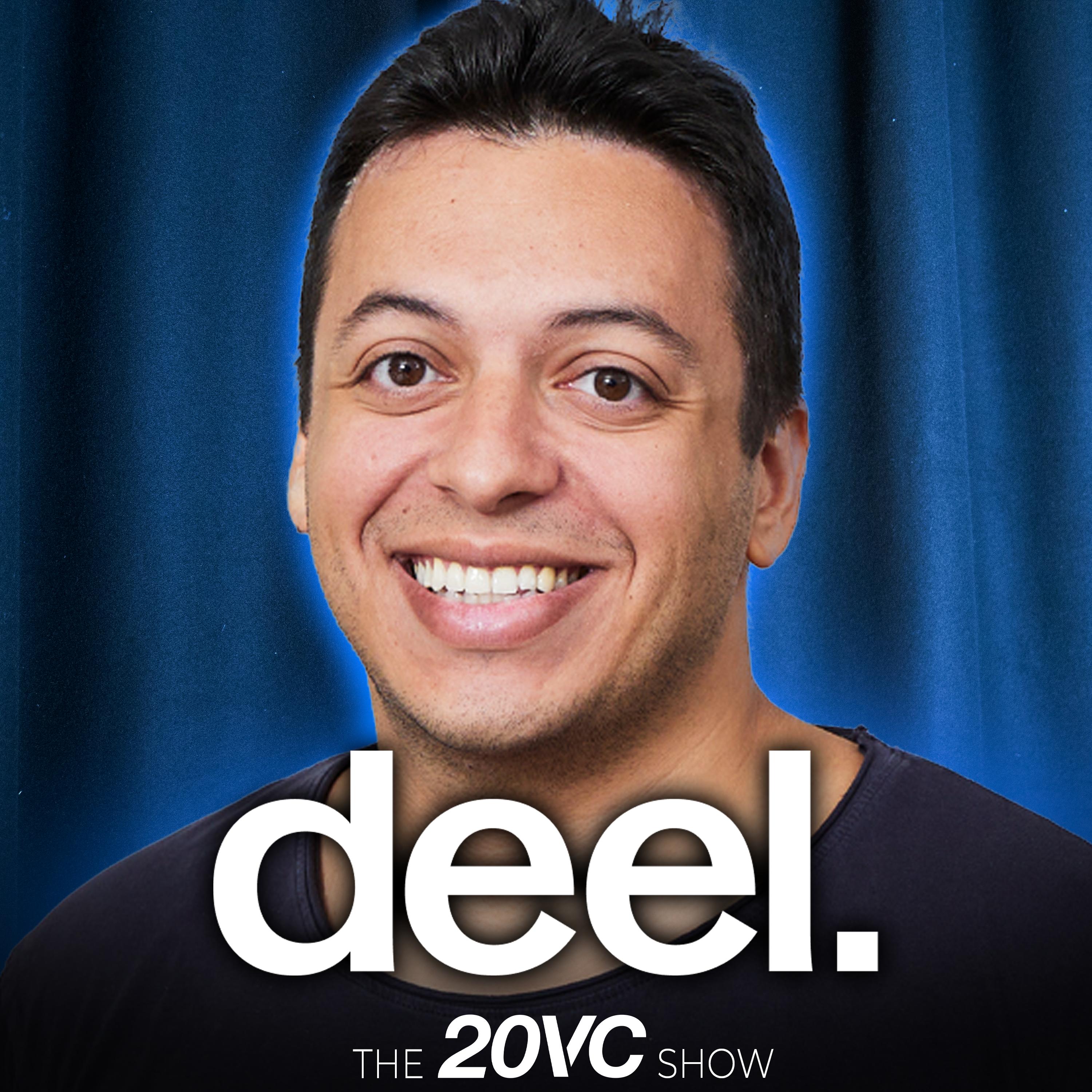
Alex Bouaziz's core M&A principle, learned from his father, is to optimize for long-term satisfaction over short-term leverage. Even when holding the upper hand in negotiations, he structures deals to be fair for both sides. The goal is for both the acquirer and the acquired founder to look back in five years and feel the deal was a great outcome, ensuring better integration and alignment.
Trust isn't just an emotion; it can be built methodically. First, use repeated exposure to move from being a stranger to a known entity. Second, before making a key point, establish a baseline of shared values to create an environment of agreement.

When a business partner agreed to a deal and then came back the next morning demanding more, Ken Langone conceded. However, he also immediately stated, "I will never do business with you again." This strategy upholds the current deal's integrity while protecting future dealings from bad-faith actors.
A key "aha moment" was realizing the goal is to be seen not as an outside seller, but as a contributing member of the client's own team. This mindset shifts the relationship from transactional to a collaborative partnership focused on shared success, fundamentally changing the sales dynamic.

In recurring business relationships, winning every last penny is a short-sighted victory. Intentionally allowing the other party to feel they received good value builds goodwill and a positive reputation, leading to better and more frequent opportunities in the future. It inoculates you against being price-gouged upfront.

The most effective client-agency partnerships are not the easiest, but the most honest. They are characterized by clarity, mutual trust, and a willingness to have frank conversations. This directness, rather than constant agreement, is what leads to breakthrough creative work.
Generosity towards employees and customers is more than just good ethics; it's a strategic move in the iterated game of business. It signals your intent to cooperate, which encourages reciprocal cooperation from others. This builds trust and leads to superior long-term outcomes versus a defect-first approach.

The biggest unlock for a successful long-term partnership is to stop keeping score. Instead of tracking contributions and demanding reciprocity, one should define their own standard for being a good partner and live up to it. This approach avoids the bias of overvaluing one's own contributions, preventing transactional resentment.

Instead of hiding information, Todd Capone's "transparent negotiation" advises telling buyers the four levers they can pull for a better price: contract term, volume, timing of cash, and predictability (signing by a certain date). This builds trust and turns negotiation into a collaborative process.
