Get your free personalized podcast brief
We scan new podcasts and send you the top 5 insights daily.
The surge in consumer-led testing and screening will likely increase short-term healthcare utilization as people follow up on results. The long-term savings from earlier disease detection and management will only materialize over time, creating a J-curve effect on costs.

Related Insights
Preventing a chronic disease like type 2 diabetes saves hundreds of thousands of dollars per patient. However, due to high customer churn and standard one-year contracts, insurance companies see no long-term financial upside in prevention, as another company will likely benefit from their investment.

General Catalyst's CEO highlights a core flaw in healthcare: insurance providers don't reimburse for longevity or preventative care because customers frequently switch plans, preventing insurers from capturing long-term ROI. The first company to solve this misalignment and make longevity "financeable" will unlock a massive market.

A $2,000 preventative injection like a PCSK9 inhibitor sounds expensive. However, its cost is likely justified when calculated against the massive societal and individual expense of future medical bills, plus the economic value of additional healthy, productive years.

The economic case for a prophylactic drug isn't just clinical. Its real value is enabling expensive, multi-week inpatient procedures (like CAR-T side effect observation) to become outpatient treatments, freeing up hospital beds and massively reducing healthcare system costs.

Current healthcare spending, or "Aging 1.0," focuses on managing age-related decline via retirement homes and late-stage care. The new paradigm, "Aging 2.0," uses biotechnology to prevent the need for this maintenance in the first place, representing a fundamental strategic shift.

Chronic illnesses like cancer, heart disease, and Alzheimer's typically develop over two decades before symptoms appear. This long "runway" is a massive, underutilized opportunity to identify high-risk individuals and intervene, yet medicine typically focuses on treatment only after a disease is established.

Healthcare systems were designed for acute, symptomatic diseases. This "wait for the patient" model is ineffective for chronic conditions like hypertension, which are often asymptomatic for years. The future requires a shift from sporadic visits to continuous, proactive, tech-enabled care.

AI is improving medical imaging accuracy and speed by nearly 70%, enabling earlier detection of chronic diseases. This leads to more effective preventive care, which is crucial for an aging global population and offers a promising path to making overall healthcare more cost-effective.

The current healthcare model is backwards. It's more cost-effective to proactively get comprehensive diagnostics like blood work done twice a year than to rely on multiple, expensive doctor visits after symptoms appear. This preventative approach catches diseases earlier and reduces overall system costs.
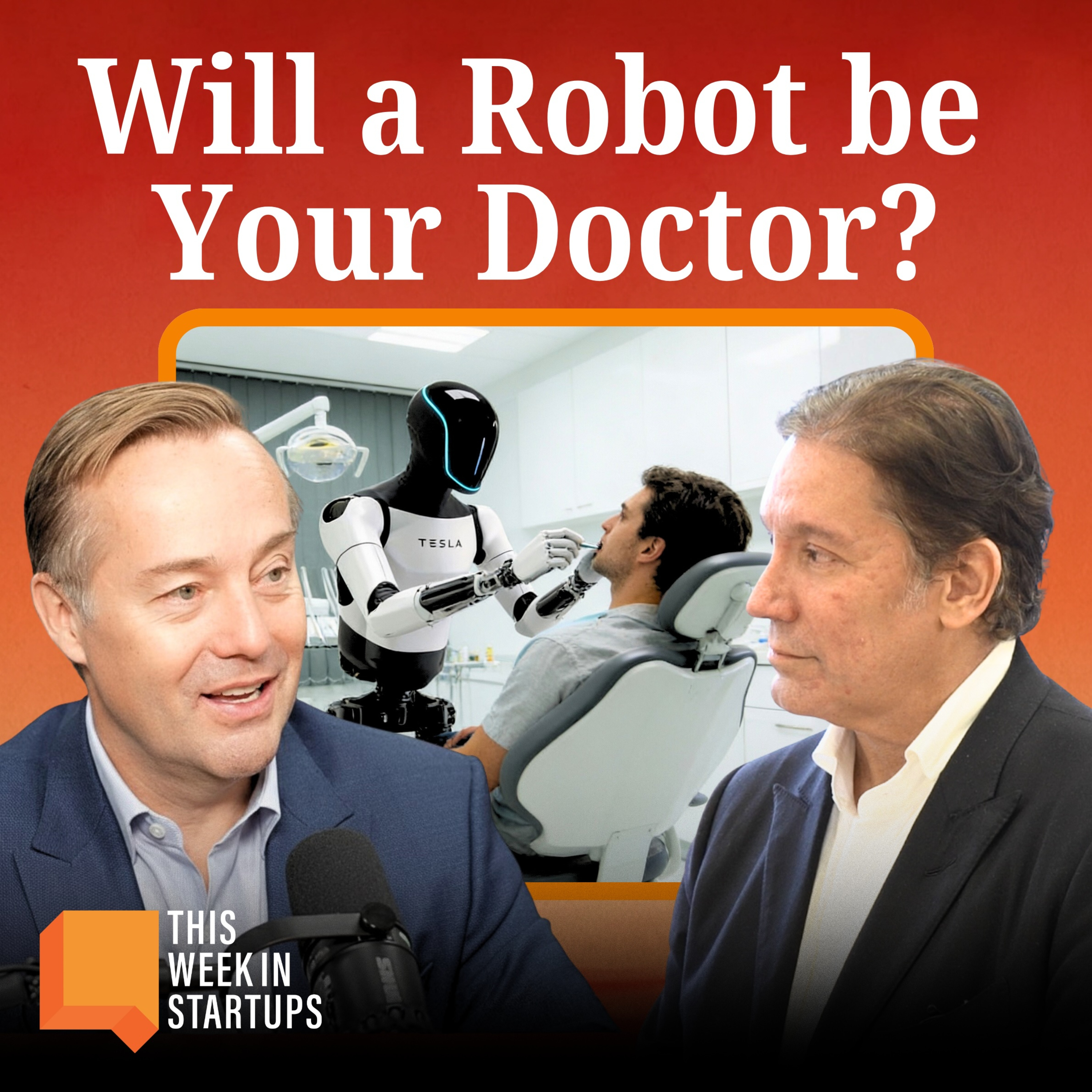
Reactive healthcare systems like US Medicare are financially unsustainable against an aging population, with projections for insolvency by 2035. The only viable path forward is a government-led pivot from reactive disease treatment to proactive, preventative longevity technologies to manage costs and improve healthspan.