Get your free personalized podcast brief
We scan new podcasts and send you the top 5 insights daily.
Shiva Rajaraman says Jimmy's team breaks creative successes into analytical recipes and reviews each video before and after release, like a product launch. That product-thinking discipline makes working with a hands-on creator easier, because he is already operating with the same review and iteration cadence.

Related Insights
Instead of focus groups, the team uses a full rehearsal day where staff and players test new promotions. If the internal team genuinely has fun and enjoys the experience, they know it will resonate with the audience. This "internal fun test" serves as their core product validation method before public launch.

The founders resolve the tension between speed and quality by being "obsessive." They move fast by iterating constantly, but also relentlessly go back and refine existing work. Speed is about the pace of iteration and a commitment to delight, not about shipping once and moving on.
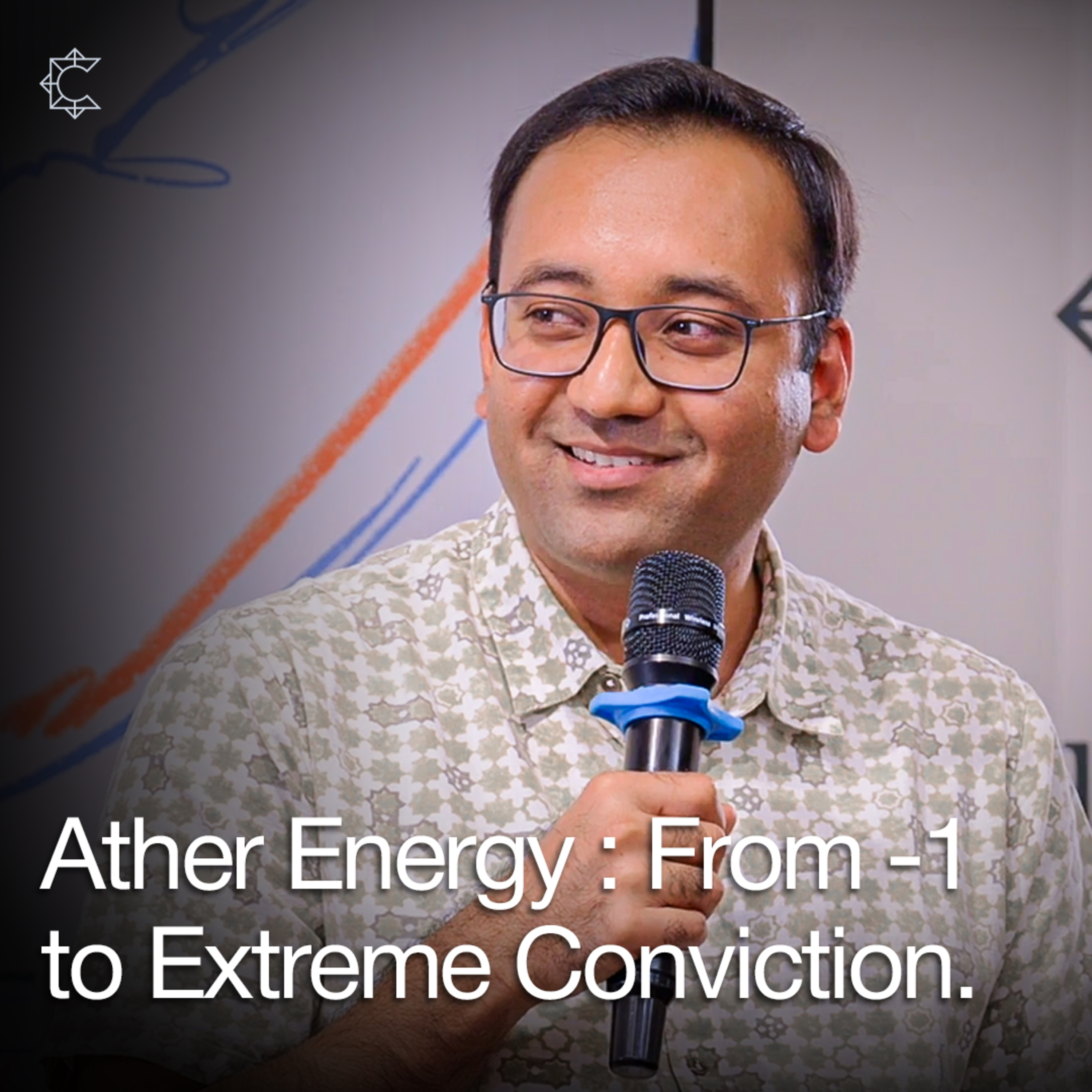
Before committing engineering resources, Ather's product team creates a high-quality ad film for a new concept. They then host a full internal launch event, complete with mock media Q&A, to sell the vision to the whole company and create internal accountability before building begins.
Contrary to the perception of spontaneous videos, elite creators like Jake Paul treat every fraction of a second as a calculated decision. This engineering mindset, honed on platforms like Vine where every millisecond counted, is a key driver of virality and audience retention.

Sustainable, high-quality video content isn't about random inspiration. ClickUp implements a rigorous weekly schedule: Monday for analysis, Tuesday for pitching, Wednesday for scripting, Thursday for shooting, and Friday for planning. This operationalizes creativity and ensures consistent output.

Instead of producing months of content at once, the company uses a nimble, per-episode cycle. This allows them to analyze performance data immediately and make creative adjustments—like changing guests, camera angles, or host dynamics—for the very next shoot, optimizing content iteratively.

The Tiger Sisters apply a tech startup methodology to their podcast, treating each episode as a 'mini product.' This framework encourages rapid prototyping, using data-driven feedback loops, and maintaining a clear focus on achieving 'product-market fit' with their audience.

Top creators like Mr. Beast relentlessly A/B test thumbnails and video intros to maximize views. AI video platforms now bring this data-driven experimentation to SMBs, allowing them to rapidly test variations of spokespeople, demographics, and creative elements to optimize ad performance.

Instead of cycling through numerous ideas, Jamie Brindle adopts a "marriage" mindset with each reel. He believes in the core concept and dedicates his time to re-editing and re-testing different versions in trial reels until he finds the edit that achieves viral potential.

Developing a team's creative taste isn't abstract. It's a trainable skill built by establishing a ritual of reviewing great, average, and poor creative examples side-by-side. This process of comparison and discussion calibrates the entire team on what quality looks like.
