Get your free personalized podcast brief
We scan new podcasts and send you the top 5 insights daily.
OpenAI is launching an AI-powered jobs platform and a massive certification program. This move positions them as a direct competitor to LinkedIn, which is owned by their primary investor and partner, Microsoft, creating a fascinating and tense "coopetition" dynamic.
Related Insights
OpenAI embraces the 'platform paradox' by selling API access to startups that compete directly with its own apps like ChatGPT. The strategy is to foster a broad ecosystem, believing that enabling competitors is necessary to avoid losing the platform race entirely.

In a radical shift, LinkedIn is ending its traditional Associate Product Manager (APM) program. It's being replaced by an Associate Product Builder (APB) program where new hires are trained from day one in coding, design, and product management, reflecting the move toward a consolidated, AI-powered builder role.
OpenAI is launching initiatives to certify millions of workers for an AI-driven economy. However, their core mission is to build artificial general intelligence (AGI) designed to outperform humans, creating a paradox where they are both the cause of and a proposed solution to job displacement.
OpenAI announced goals for an AI research intern by 2026 and a fully autonomous researcher by 2028. This isn't just a scientific pursuit; it's a core business strategy to exponentially accelerate AI discovery by automating innovation itself, which they plan to sell as a high-priced agent.
By publicizing its internal AI-powered tools for sales, finance, and support, OpenAI signaled its ambition to enter the enterprise application market, directly challenging SaaS incumbents and causing HubSpot's stock to fall.

Startups are becoming wary of building on OpenAI's platform due to the significant risk of OpenAI launching competing applications (e.g., Sora for video), rendering their products obsolete. This "platform risk" is pushing developers toward neutral providers like Anthropic or open-source models to protect their businesses.
The choice between open and closed-source AI is not just technical but strategic. For startups, feeding proprietary data to a closed-source provider like OpenAI, which competes across many verticals, creates long-term risk. Open-source models offer "strategic autonomy" and prevent dependency on a potential future rival.

As competitors like Google's Gemini close the quality gap with ChatGPT, OpenAI loses its unique product advantage. This commoditization will force them to adopt advertising sooner than planned to sustain their massive operational costs and offer a competitive free product, despite claims of pausing such efforts.
Recognizing that providing tools is insufficient, LinkedIn is making "AI agency and fluency" a core part of its performance evaluation and calibration process. This formalizes the expectation that employees must actively use AI tools to succeed, moving adoption from voluntary to a career necessity.
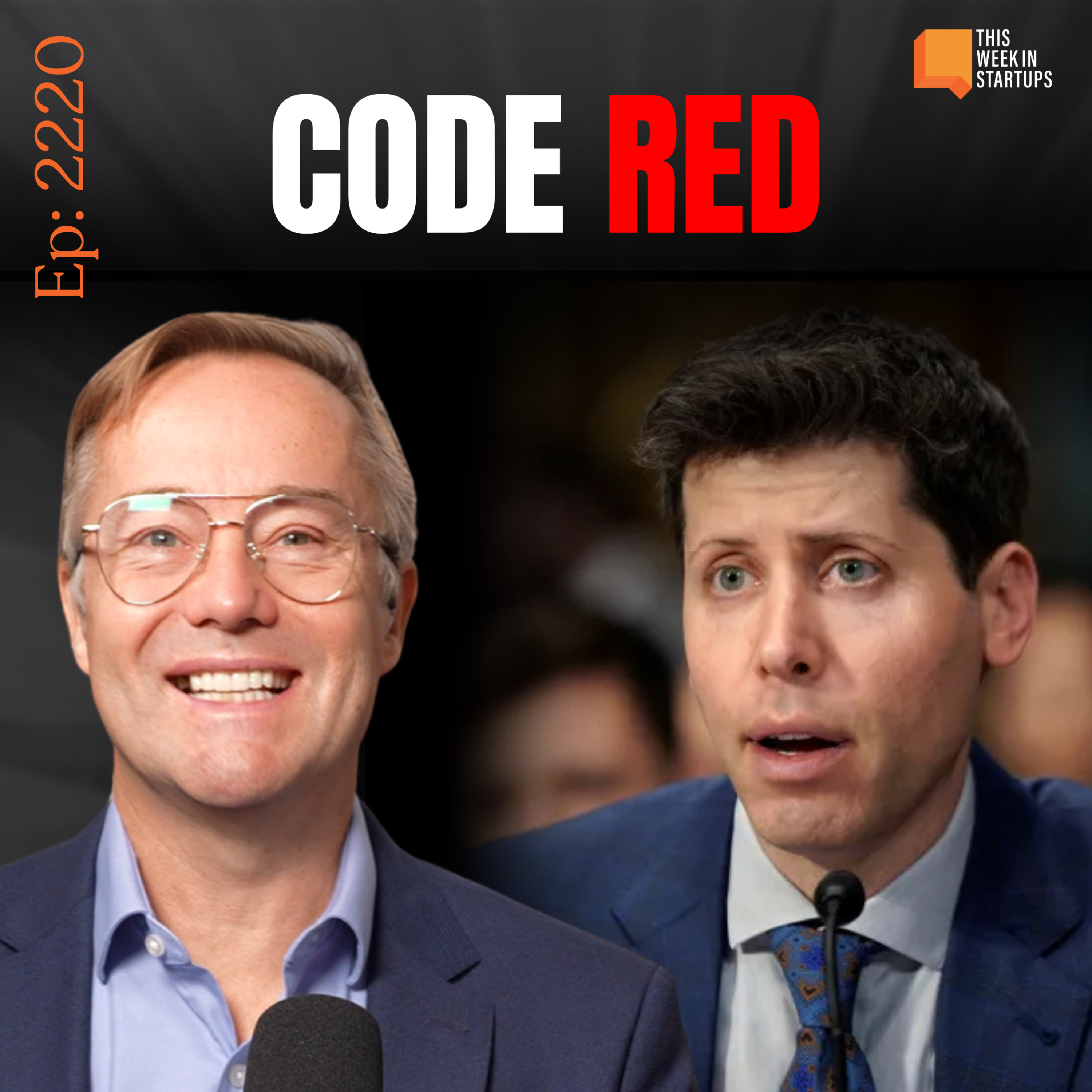
Despite its early dominance, OpenAI's internal "Code Red" in response to competitors like Google's Gemini and Anthropic demonstrates a critical business lesson. An early market lead is not a guarantee of long-term success, especially in a rapidly evolving field like artificial intelligence.
