Get your free personalized podcast brief
We scan new podcasts and send you the top 5 insights daily.
Deborah Dunsire's transition from physician to pharma wasn't cemented by office work, but by seeing the real-world impact on patients at a transplant games event. This experience revealed she could positively affect more lives at scale, providing a powerful, motivating purpose that sustained her career.

Related Insights
Dr. Irina Babina's career shift from academic research to CEO of Conquer was fueled by her frustration with promising science failing to reach patients. This desire for tangible, results-driven application is a key motivator for scientists moving into the commercial bio-tech space to create real-world impact.

To humanize R&D and maintain motivation, biotech leaders bring patients into the company. This practice directly connects scientists with the human impact of their work, grounding the entire team in their shared purpose, especially on difficult days.
A physician's impact can scale dramatically in the pharmaceutical industry. While planning to return to clinical practice, Dr. Maha Radhakrishnan discovered her work in R&D and commercialization allowed her to impact over 85 million patients globally, far exceeding one-on-one care.

The motivation for a senior leader to leave a stable pharma career for a risky biotech is often mission-driven. The primary driver is the ability to leverage a focused technology to address patient unmet needs with greater speed, bypassing the complexities of large organizations. It's about a clearer and quicker line-of-sight to the clinic and to patients.

Spyros Papapetropoulos outlines his career progression through three distinct phases: academic medicine, large biopharma, and entrepreneurship. Each phase built upon the last, shifting his focus from individual patients to developing therapies for large populations, all driven by a consistent underlying purpose to help patients.

Jodie Morrison's career was cemented by an early, powerful experience: witnessing a xenotransplant patient go from being wheelchair-bound to running a marathon. This direct link between research and profound human impact hooked her for life.
Founder Derek Small's career was imprinted by two key moments: an oncology patient stabilizing for five years on a first dose, and depression patients calling to say his drug "literally changed my life." These direct impacts provided a powerful, mission-driven focus.
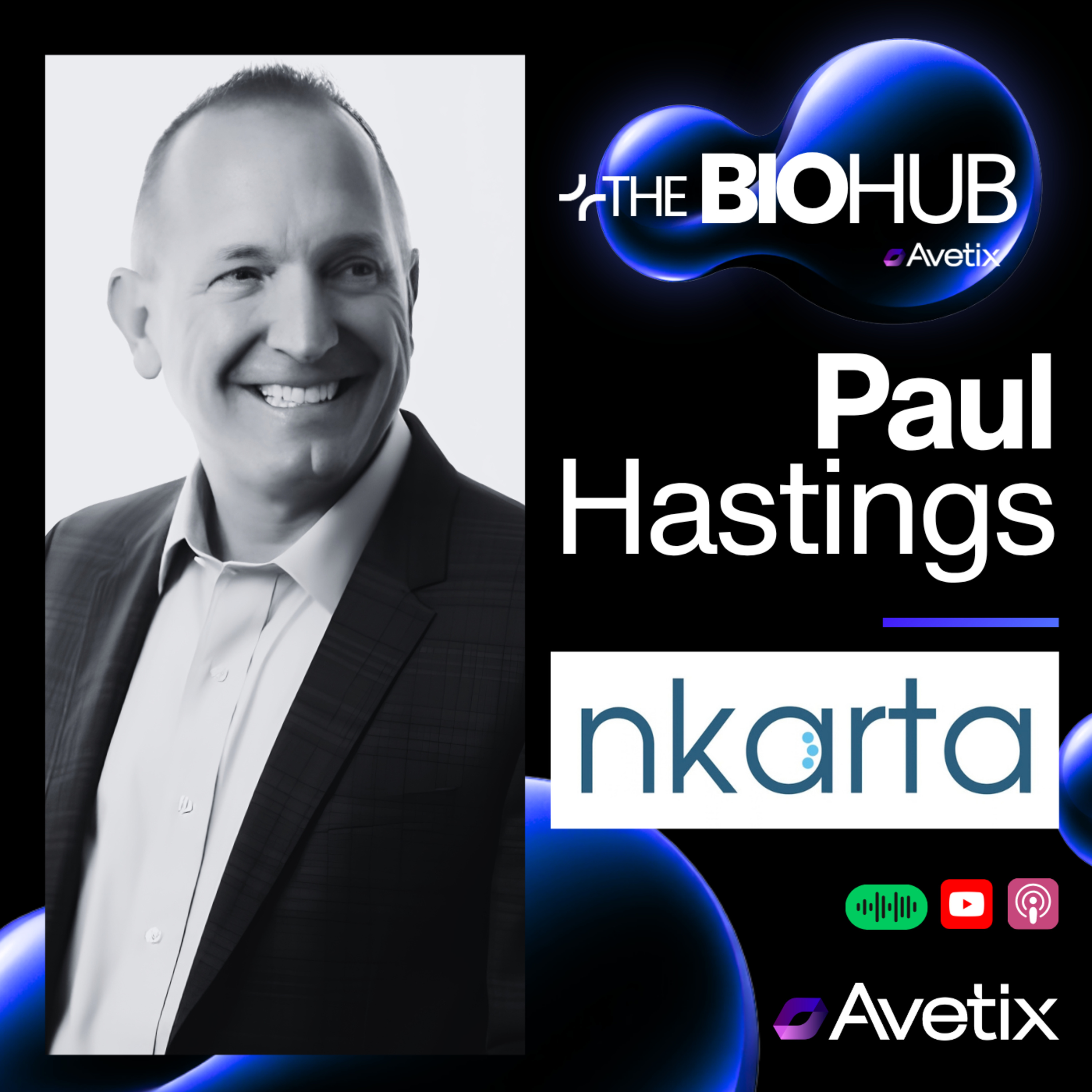
Paul Hastings's lifelong battle with Crohn's disease has fueled his 40-year passion for biotech. This personal connection to patient needs provides a deeper, more resilient source of energy than typical career ambition, especially in high-failure industries like drug development.
CEO Ashley Magargee's career pivoted from education to biotech after her experience as an assistant principal in Harlem. Witnessing students constantly miss school for sickle cell crises convinced her that health is more foundational than education for a better life, providing a powerful, mission-driven motivation for her work.

Top surgeons transition from clinical practice to corporate roles for the opportunity to leverage technology and scale their impact on patient lives far beyond what's possible in a single operating room.
