Get your free personalized podcast brief
We scan new podcasts and send you the top 5 insights daily.
Jodie Morrison's career was cemented by an early, powerful experience: witnessing a xenotransplant patient go from being wheelchair-bound to running a marathon. This direct link between research and profound human impact hooked her for life.

Related Insights
The company's genesis was unconventional. It was founded by Bob Yant, a patient with a spinal cord injury, who proactively sought out leading researchers to translate promising science into therapies. This patient-driven model highlights an alternative pathway for biotech creation, where the 'problem' finds its 'solution' in academia.

Dr. Bahija Jallal's lifelong pursuit of scientific understanding originated from a childhood tragedy. The death of her father due to a medical error fueled her persistent "why" questions, transforming a desire for answers into a mission to develop better medicines for patients.

Despite a PhD in the molecular biology of lung cancer, Dr. Manley's career shifted to health equity. This wasn't a planned transition but a direct response to seeing his family's healthcare struggles and requests from underserved patient communities, showing how personal experience can create new professional missions.

While on a break from college, Shane Hegarty read "My Stroke of Insight." The book's explanation of brain function and recovery transformed a general interest into an "insatiable" passion for neuroscience. This single experience was a pivotal moment that cemented his entire academic and entrepreneurial trajectory.
To humanize R&D and maintain motivation, biotech leaders bring patients into the company. This practice directly connects scientists with the human impact of their work, grounding the entire team in their shared purpose, especially on difficult days.
Spyros Papapetropoulos outlines his career progression through three distinct phases: academic medicine, large biopharma, and entrepreneurship. Each phase built upon the last, shifting his focus from individual patients to developing therapies for large populations, all driven by a consistent underlying purpose to help patients.

To bridge the psychological gap between direct patient care and the abstract world of pharma R&D, a former clinician visualizes data points not as numbers, but as the real people he once treated. This mental model keeps the patient as the 'North Star' in all decisions.

ProKidney's CEO, a nephrologist, attributes his entry into the field not to a pre-existing passion, but to the direct influence of a strong-willed mentor who "twisted his arm." This highlights how personal relationships, rather than pure academic interest, can define a career trajectory in specialized medicine.

A crucial piece of advice for biotech founders is to interact with patients as early as possible. This 'patient first' approach helps uncover unmet needs in their treatment journey, providing a more powerful and differentiated perspective than focusing solely on the scientific or commercial landscape.
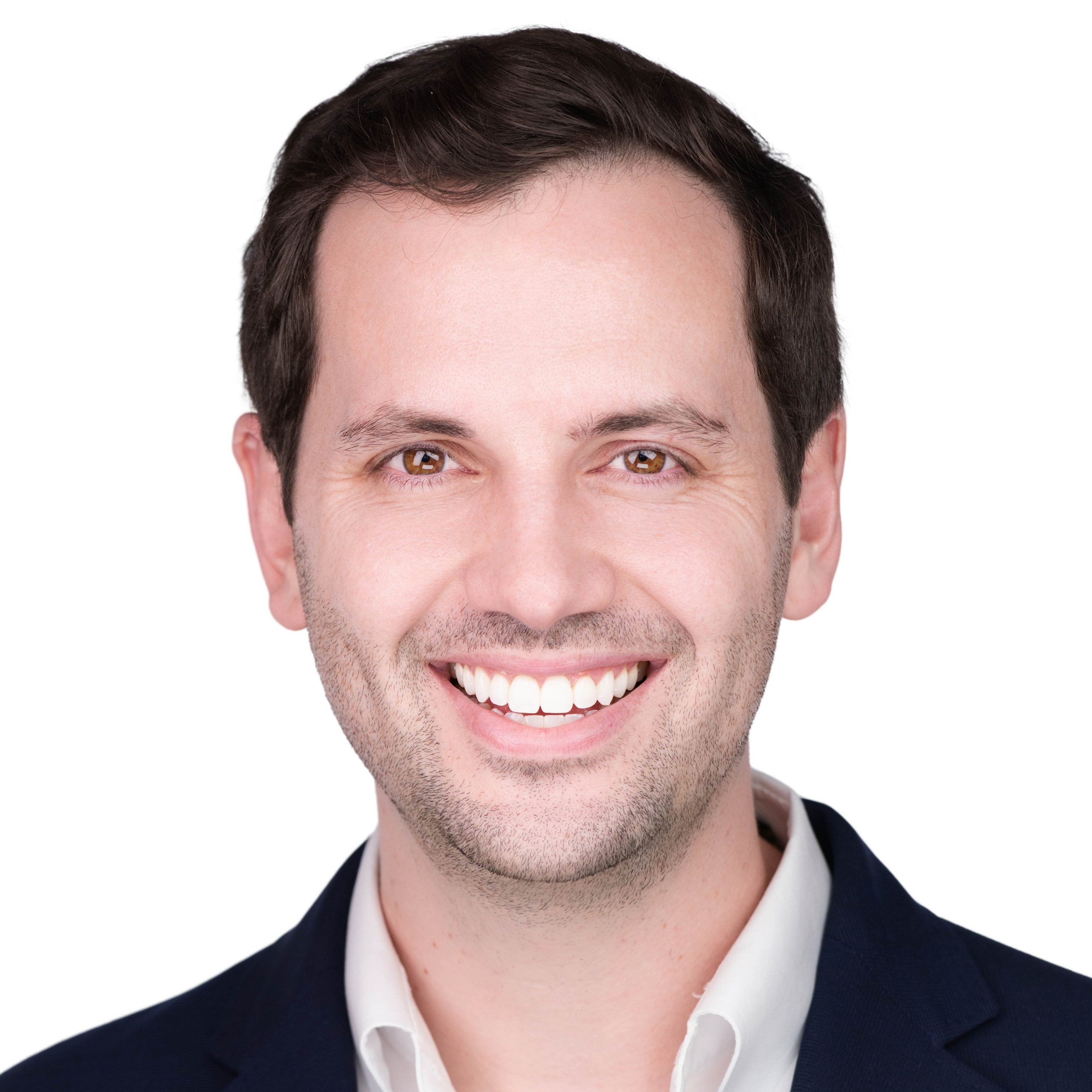
CEO Ashley Magargee's career pivoted from education to biotech after her experience as an assistant principal in Harlem. Witnessing students constantly miss school for sickle cell crises convinced her that health is more foundational than education for a better life, providing a powerful, mission-driven motivation for her work.