Get your free personalized podcast brief
We scan new podcasts and send you the top 5 insights daily.
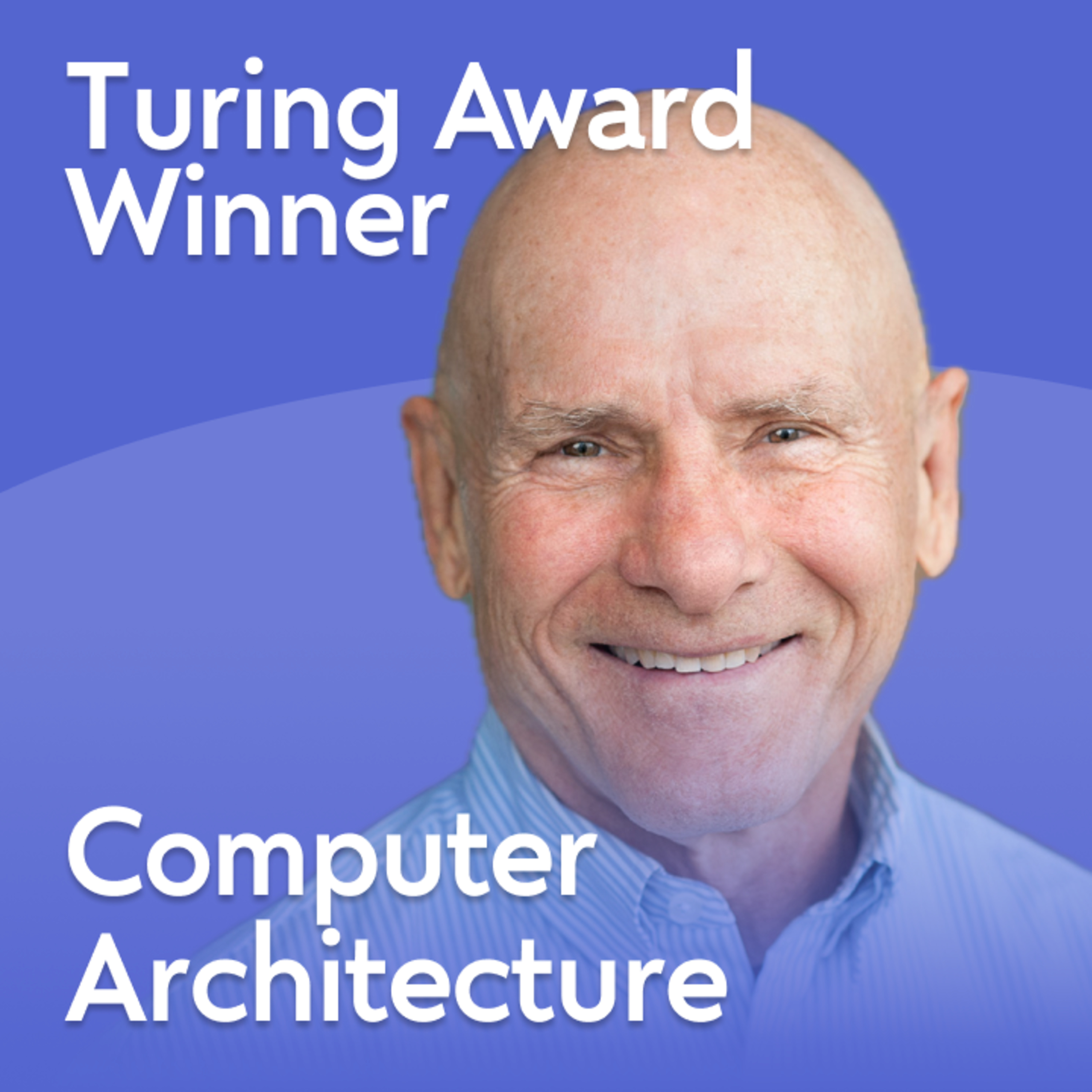
David Patterson advises making life decisions that optimize for happiness, not wealth, noting they are two distinct goals. He observes that in a field like technology, a happy and fulfilling career often leads to financial success, whereas chasing wealth alone does not guarantee happiness.
Related Insights
Your sense of financial well-being is not determined by your absolute wealth but by the equation: what you have minus what you want. A person with modest means who desires nothing more can be far happier than a billionaire who constantly strives for a higher net worth.

Coming from an investment CEO, this is highly counterintuitive. Hobson advises against making significant life choices, like changing jobs, based solely on money. Taking a slightly higher-paying job at a company or with a boss you don't love often leads to misery, making the financial gain a poor trade-off for overall life satisfaction.
Many people mistake wealth accumulation for the primary objective. Instead, view money as a resource, like a hammer or saw, to construct a life filled with desired experiences and fulfillment. The goal is not the tool itself, but what you build with it.

The speaker refutes the critique that it's easy to value principles over profit after achieving wealth. He argues his success was a direct result of prioritizing his core identity and happiness from the beginning, suggesting this mindset is a prerequisite for sustainable achievement, not a byproduct of it.

Once a creator achieves significant success, the guiding metric for their career should shift from financial ROI to personal happiness. Engaging in activities you genuinely enjoy, even if they seem less profitable on paper, will fuel your energy and compound your success across all ventures in the long run.
People mistakenly chase happiness through spending, but happiness is a temporary emotion, like humor, that lasts only minutes. The more achievable and durable goal is contentment—a lasting state of being satisfied with what you have. Aligning spending to foster long-term contentment, rather than short-term happiness, is key to well-being.

The default answer to what would make someone happy is "more"—more money, followers, or possessions. This creates a perpetual state of lack. True wealth is achieved not by acquiring more, but by reaching a state of contentment where you can genuinely say, "I have enough."
The pursuit of wealth as a final goal leads to misery because money is only a tool. True satisfaction comes from engaging in meaningful work you would enjoy even if it failed. Prioritizing purpose over profit is essential, as wealth cannot buy self-respect or happiness.

The combination of a high income and a hated job creates a dangerous cycle. The stress and lack of fulfillment lead to seeking outlets in destructive behaviors like gambling or addiction. Conversely, a fulfilling, lower-paying job paired with living within one's means fosters genuine happiness.
Money is just one pillar of a happy life. Without physical health, mental well-being, and a spiritual purpose, wealth is meaningless. Financial fitness provides the fuel and freedom to enhance the other areas, but it cannot fix deficiencies in them.
