Get your free personalized podcast brief
We scan new podcasts and send you the top 5 insights daily.
Gong activated employees through internal Slack, email, and optional LinkedIn trainings, asking them to like, comment, or share new articles. Reed says it worked because the sales team believed in the content and wanted to share it, not because marketing closely monitored every single post.

Related Insights
For niche B2B media, influence spreads when executives screenshot and share compelling articles on internal platforms like Slack. These private discussions about an article's impact ("If they're right, we're in big trouble") create powerful, targeted word-of-mouth among decision-makers within ideal customer accounts.

Simply asking employees to share company posts on Slack is ineffective. True advocacy stems from a strong organizational culture where employees genuinely want to participate. Empower them by adopting a 'Customer Zero' mindset—treating them as your first and most important audience—and respecting their unique perspectives, rather than forcing generic corporate messaging.

Beehiiv has a Slack channel where employees share any positive user mention from social media. The entire team is encouraged to "pump" the post by liking and retweeting it. This simple system creates a powerful, coordinated amplification of social proof.

Top-down mandates for change, like adopting new tools, often fail. A more effective strategy is to identify and convert influential, respected figures within the organization—like a founder—into passionate advocates. Their authentic belief and evangelism will drive adoption far more effectively than any executive decree.
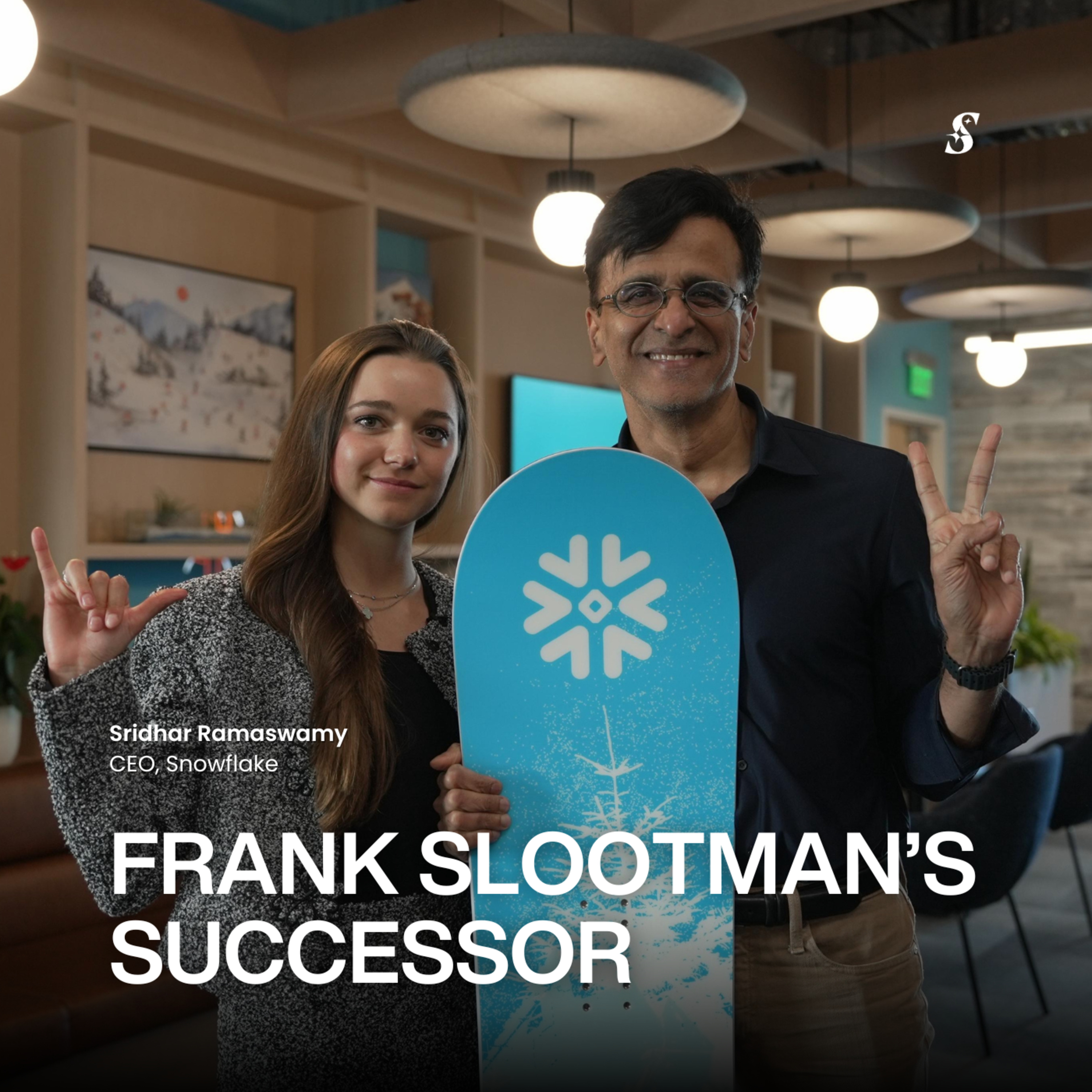
Encourage team members, not just founders or marketers, to build their personal brands by publicly sharing their learnings and journey. This creates an organic, multi-pronged distribution engine that attracts customers, top talent, and investors. It's a highly underrated and cost-effective go-to-market strategy.

Don't fear what employees might post. Instead, build a culture so positive that team members are intrinsically motivated to share their experiences. This flips the model from top-down enforcement to genuine, bottom-up advocacy.

Audiences connect with authentic individuals rather than corporate logos, making employee advocacy much more engaging than company page updates. Businesses that train and trust their staff to share expertise create goodwill and sidestep the low reach and artificial boost penalties of corporate pages.

Before launching external campaigns for a major event, market it internally with a dedicated cadence of updates. This creates co-ownership, leading sales, product, and executives to organically promote the event through their own channels, amplifying reach far beyond the marketing team's efforts.
Encourage employees to "build in public" and share their work. This builds authentic trust and connection with customers in a way that corporate accounts or paid ads cannot. It turns your entire team into a powerful, organic marketing engine.

When building an influencer program, the most authentic and accessible advocates are often internal. Companies should start by identifying and empowering their own C-suite, topic experts, and even rank-and-file employees who have credibility and influence. This forms a strong foundation before expanding to external partnerships.
