Get your free personalized podcast brief
We scan new podcasts and send you the top 5 insights daily.
Rather than relying solely on technical due diligence, which can be fooled by sophisticated frauds, Artisan uses a cultural filter. By naturally avoiding "fast growing businesses with fast money" and seeking conservative management teams, they screen out the very profiles most likely to engage in fraud.

Related Insights
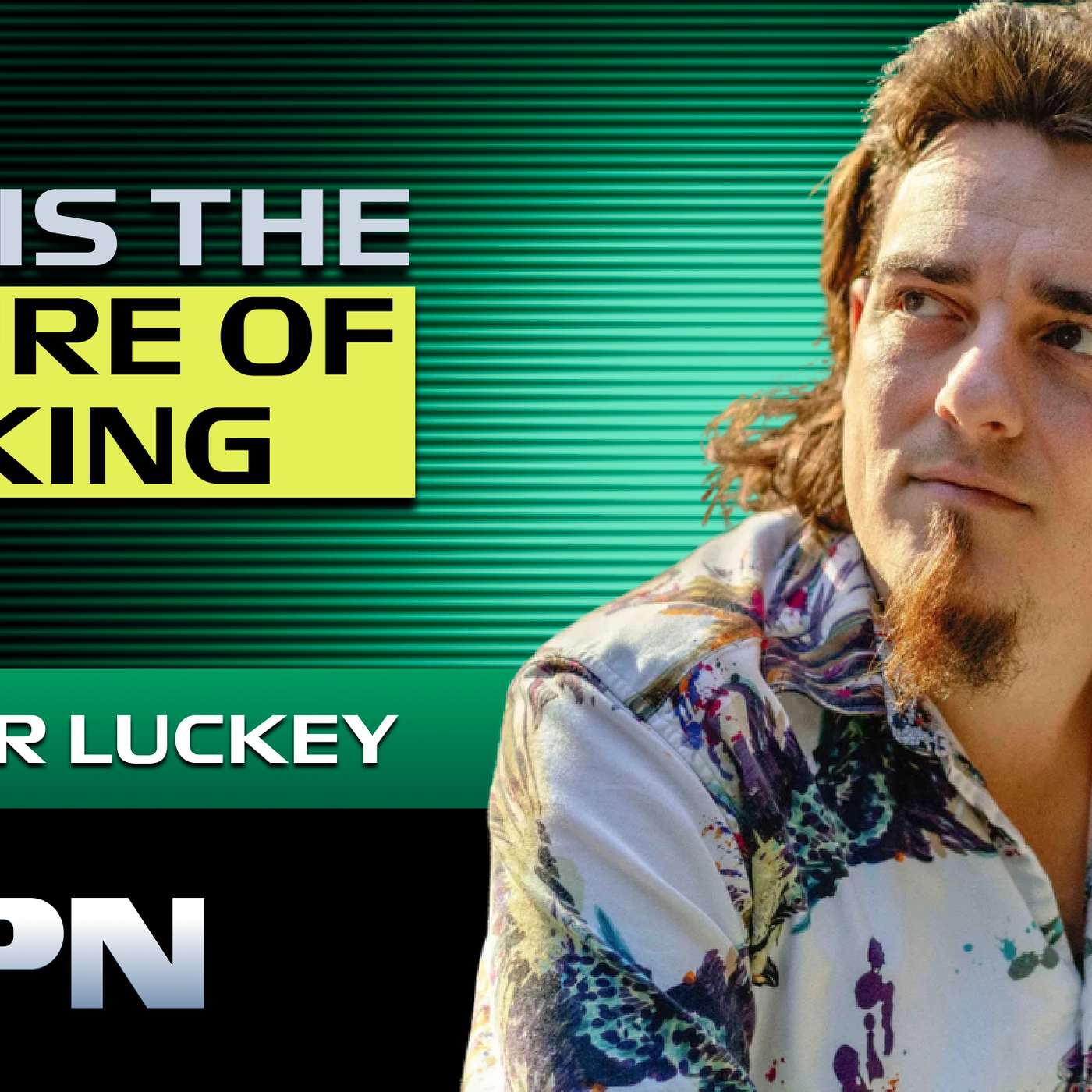
Unlike banks that react to fraud, Palmer Luckey's Erebor is proactively partnering with intelligence agencies from its inception. The goal is to design a system where fraud is nearly impossible, creating a moat that attracts legitimate, high-value clients while inherently repelling bad actors who prefer less scrutiny.

Most technical problems discovered during diligence can be fixed. The real deal-killer is a loss of trust. When a company actively hides major issues, like a failed penetration test, it signals a fundamental dishonesty that makes a future partnership untenable, leading to an immediate abort.

Progress uses an "orange flag" system to identify diligence issues that, while not immediate deal-breakers, are serious enough to warrant a discussion with the CEO and CFO. This allows for an early decision to walk away before expending significant resources.

Formal cultural diligence can be staged. A more authentic assessment comes from informal settings. Observing how a target CEO and their team treat service staff reveals their true character and provides a powerful, unfiltered indicator of cultural compatibility or potential red flags for integration.
To combat fraud, some credit funds use the prospective borrower's due diligence deposit to fund deep background checks on founders and management as the very first step. Any past financial impropriety, no matter how old, results in an immediate rejection, making recent high-profile frauds avoidable.

The company uses a custom AI tool that analyzes interview transcripts and scorecards. By providing the AI with context on company values and philosophy, it can identify thematic signals of alignment, moving beyond simple keyword matching to a more nuanced evaluation of a candidate.

Unlike firms that weigh culture alongside other factors, Oak Ridge Insurance treats it as a non-negotiable, binary filter. If the cultural fit isn't there, they walk away immediately, before even evaluating strategic, financial, or operational criteria. This prevents wasting time on misaligned partnerships.
Instead of reacting to court orders, Palmer Luckey's Erebor bank preemptively works with intelligence services. This strategy aims to create a fraud-resistant platform, attracting legitimate clients and deterring malicious actors from the start, turning compliance into a competitive advantage.
A core conceit of fraud is faking business growth. Consequently, fraudulent enterprises often report growth rates that dwarf even the most successful legitimate companies. For example, the fraudulent 'Feeding Our Future' program claimed a 578% CAGR, more than double Uber's peak growth rate. This makes sorting by growth an effective detection method.
Assessing cultural fit can't be done in a formal, time-crunched diligence process. Snowflake approaches M&A like dating, building relationships with companies over time. This long-term engagement allows for genuine discovery of values and operational style, de-risking the 'cultural diligence' aspect of a potential acquisition.
