Get your free personalized podcast brief
We scan new podcasts and send you the top 5 insights daily.
The company uses a custom AI tool that analyzes interview transcripts and scorecards. By providing the AI with context on company values and philosophy, it can identify thematic signals of alignment, moving beyond simple keyword matching to a more nuanced evaluation of a candidate.

Related Insights
Go beyond stated values by using AI tools like Granola to analyze meeting transcripts in aggregate. This generates an "unspoken culture handbook" that reflects how your team actually operates, revealing gaps between stated and practiced values and providing a data-driven basis for hiring rubrics.
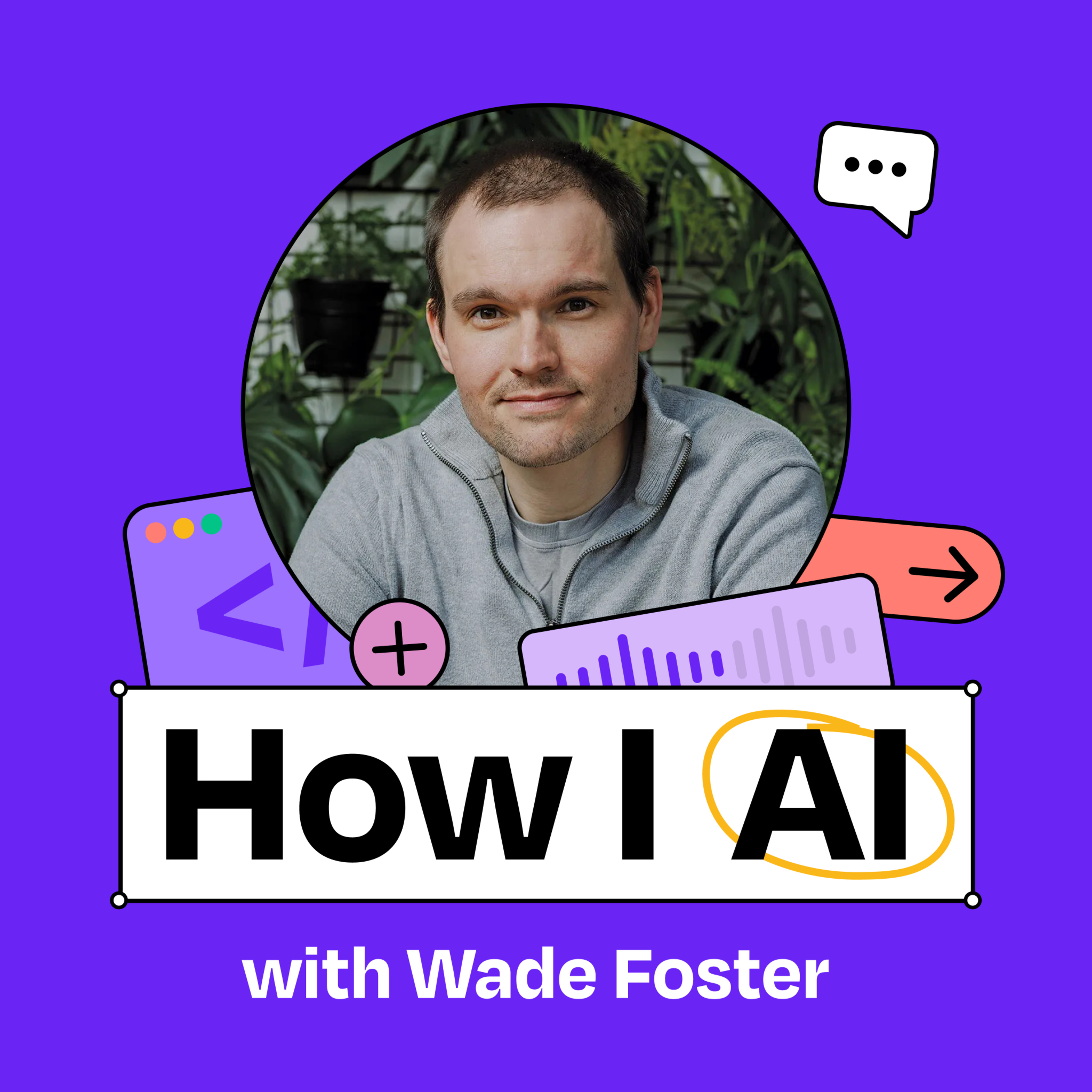
The future of AI in talent acquisition is moving beyond on-demand analysis. Formation Bio is working towards "agentic AI" that proactively monitors the hiring pipeline, analyzes interviews in real-time, and provides suggestions for the next steps without being prompted, thus automating strategic insight.
Despite extensively using custom AI for interview analysis, Formation Bio finds that AI for candidate sourcing is still immature. Their talent team insists on a human reviewing every resume, highlighting that sourcing remains a significant automation challenge due to the need for nuance and confidence in evaluation.
Zapier built an AI coach that analyzes meeting transcripts to provide feedback based on company values and frameworks. This automates cultural reinforcement, normalizes constructive criticism, and ensures leaders consistently model desired behaviors, scaling what is typically a manual process.
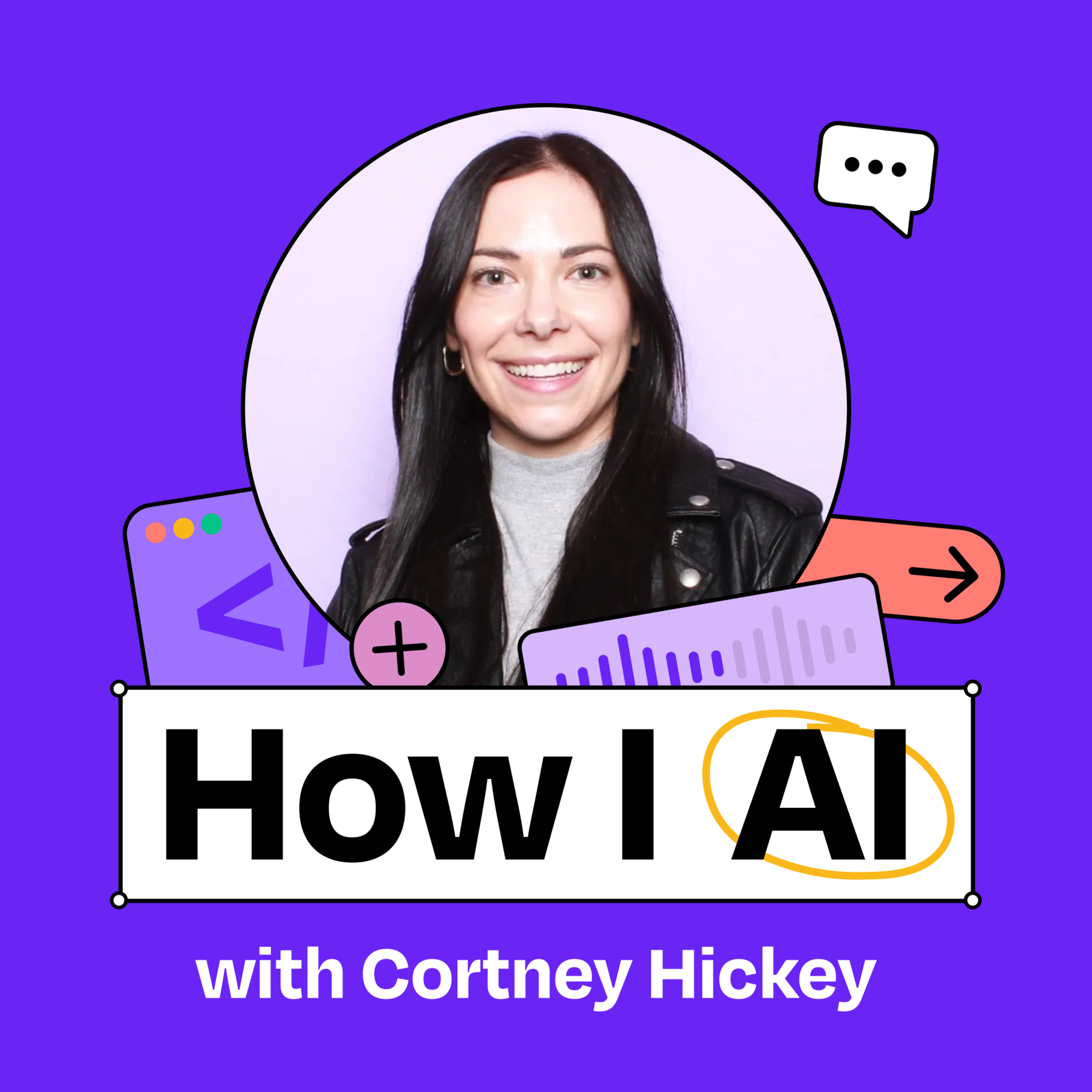
YC evaluates applicants by reviewing their Claude and Codex transcripts. This reveals a founder's systems thinking, planning ability, and understanding of feature completeness—a more direct signal of building capability than a resume or GitHub profile.

At Formation Bio, the goal of implementing AI in recruitment isn't to automate decision-making. Instead, AI handles data synthesis and analysis, which allows the talent team to spend more time building deeper, more personal relationships with candidates, armed with better insights.
Beyond transcription, advanced AI tools can analyze an interviewer's live performance. They offer feedback on tonality, vocabulary, use of open vs. closed questions, and even body language, turning the AI into a powerful tool for improving human soft skills and communication.

To improve candidate experience and evaluation quality, Formation Bio structures its interview process by assigning distinct key competencies to each interviewer. This ensures every conversation is unique and valuable, preventing the common problem of candidates repeating the same stories to different team members.
Create an AI agent that automatically reviews interview transcripts. By feeding it a job description and company values as knowledge sources, the agent can provide a "yes/no/maybe" hiring recommendation with reasoning, serving as an effective thought partner and bias check for hiring managers.
Upload interview transcripts and a job description into an AI tool. Program it to define the top criteria for the role and rate each candidate's transcript against them. This provides an objective analysis that counteracts personal affinity bias and reveals details missed during the live conversation.