Get your free personalized podcast brief
We scan new podcasts and send you the top 5 insights daily.
Nick Flood says Logan Weston was nominated for the Medal of Honor after holding the Pusan perimeter, but his commanding officer downgraded it to a Distinguished Service Cross. A full Medal of Honor investigation would have exposed the officer's earlier dismissal of warnings.

Related Insights
Preventative, or "upstream," work is often invisible and unrewarded. An officer who prevents accidents gets less recognition than one who writes tickets after infractions occur. This highlights a systemic bias towards celebrating downstream heroes who fix visible crises, while ignoring those who ensure crises never happen.

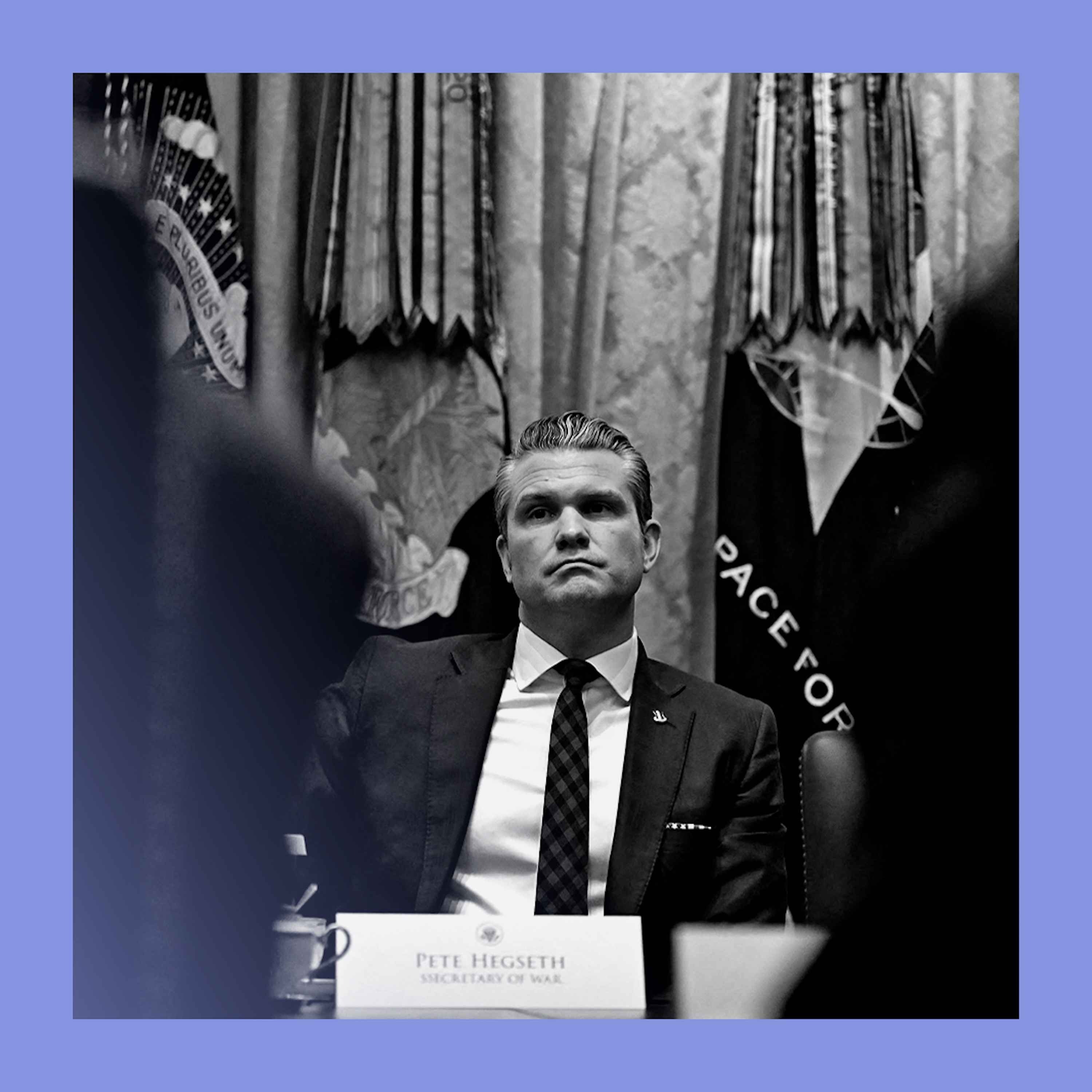
The White House and Pentagon are deliberately shifting blame for a controversial military strike onto a subordinate admiral. This tactic insulates political leaders like the Secretary of Defense, whose rocky tenure and past blunders created the context for such controversial actions, from accountability.
The host explains fading affect bias: bad memories fade faster than good ones, so war heroes minimize their own bravery and people forget painful lessons. He says this is why people return to toxic exes, relapse, or forget burnout.
When an undeniably capable combat leader like Chris Donahue is removed for political reasons, it signals to all officers that competence is no longer the ultimate criteria for advancement. This erodes trust and discourages initiative down the chain of command.

Quartermaster General Littlejohn actively rejected the scientifically superior M43 jacket, favoring his own traditional, aesthetically-driven design. His personal bias and ego overrode data, causing a supply failure that led to thousands of soldiers freezing in Europe.

Nick Flood argues that a celebrated 22-year-old hero becomes a political liability because his future behavior can embarrass the military. He cites Dakota Meyer's tweets as an example and says Medal of Honor vetting now weighs narrative and optics risk alongside battlefield action.
The practice of forcing employee ratings into a bell curve wasn't a business innovation from GE. It was a WWII-era US Army solution to a "leniency crisis" where officers gave everyone top marks, rendering the ratings useless for bureaucracy.

Nick Flood argues that when institutions stop glorifying heroes, they remove examples of seemingly impossible acts. If people know Logan Weston survived three wars and extraordinary violence, they may believe they can act bravely too. That visible possibility matters for role models.
The US military had a powerful story to tell about risking lives and aircraft to rescue a single pilot, demonstrating core national values. However, this narrative was completely overshadowed by the administration's subsequent sensationalist and genocidal rhetoric, making the strategic communications effort a tragic failure.
The theory that senior military officers have a duty to speak out against disastrous policies ('McMasterism') fails in practice. The military's promotion system rewards conformity over decades, ensuring that those who reach the top are culturally incapable of publicly challenging their superiors. You don't become a general by telling the principal they are wrong.